- Category
- Latest news
New Polish Law Updates Legal Framework for Ukrainian Refugees
 Prefer U24 Media on Google
- Authors

-c439b7bd9030ecf9d5a4287dc361ba31.jpg "Photo of Katherina Popilnichenko")
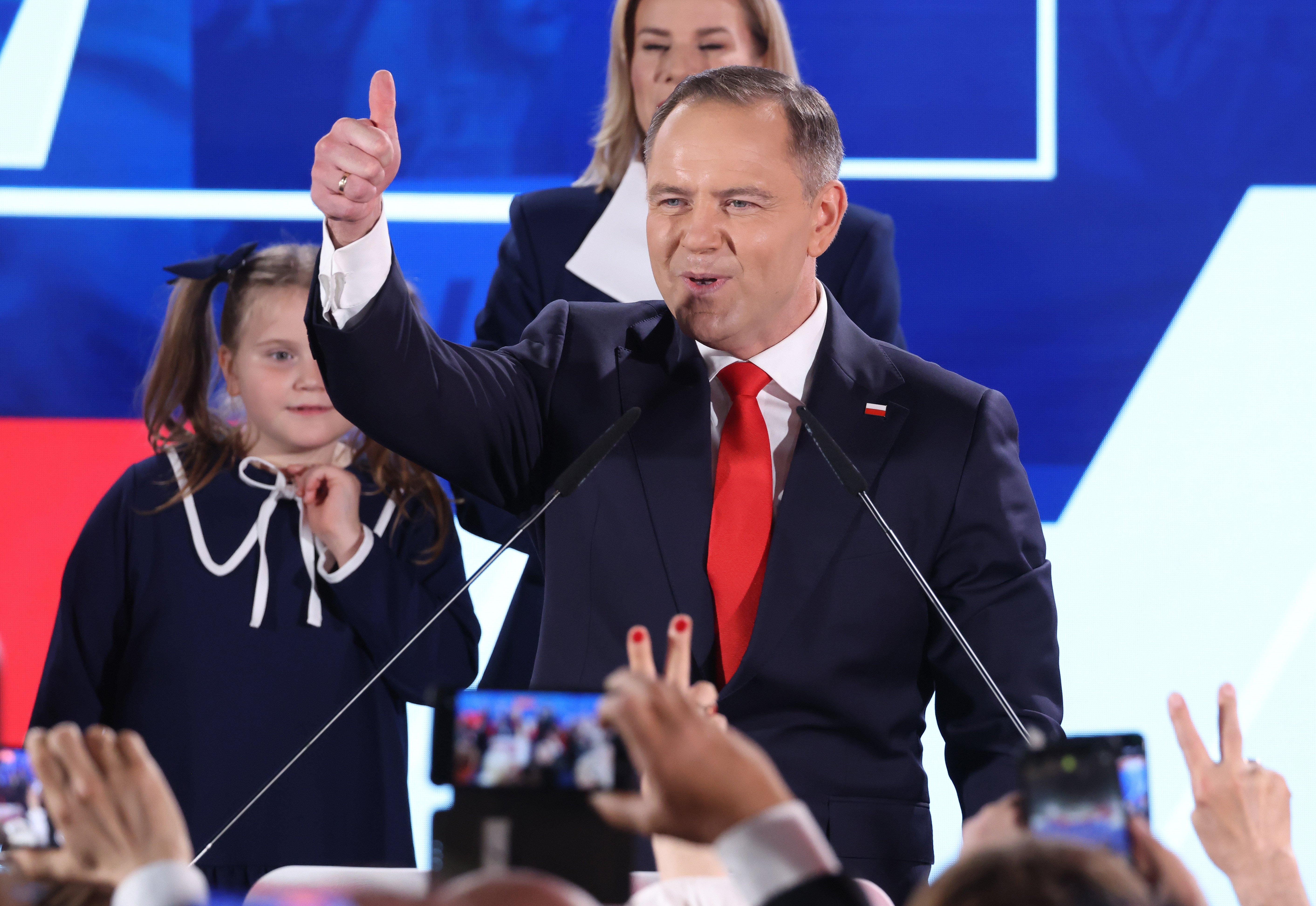
Polish President Karol Nawrocki has signed a new law that changes how the country provides aid to people fleeing Russia’s full-scale invasion of Ukraine.
The document moves all existing support tools into the general Law on the Protection of Foreigners, effectively ending the separate legal framework that had been in place since 2022, according to RMF24 on February 19.
We bring you stories from the ground. Your support keeps our team in the field.
Since the start of the full-scale invasion, a special assistance law created a unique legal system for Ukrainians. This system made it easier for them to live, work, and access education and social benefits in Poland. The new legislation phases out this special status and integrates key support measures into the standard regulations that apply to all foreign nationals seeking protection.
The signed law extends the legal right for Ukrainian citizens to remain in Poland until March 4, 2027. However, it introduces stricter requirements for those seeking to maintain their status.
One major change requires individuals to apply for a PESEL identification number within 30 days of arriving in the country. This number is essential for accessing government services and navigating local bureaucracy.

If an individual fails to apply for a PESEL within the 30-day window, their temporary protection will expire. Under the new rules, missing this deadline will be treated as a formal refusal of support from the Polish state.
This move follows a statement made by President Nawrocki in November 2025, when he noted that this would be the final time he signed a specific aid law for Ukrainians.
He indicated that moving forward, they would be treated the same as other national minorities. The President had previously vetoed an earlier version of the aid package, arguing that the social benefits being provided were unfairly high.
Following that veto, the Polish government fast-tracked this new version of the bill. The Polish parliament gave its final approval to the revised legislation on September 17.
"My signature on this document shows that consistency in action makes sense," Nawrocki said.
As of early 2026, nearly 1 million (approximately 970,000–980,000) Ukrainian refugees are registered for temporary protection in Poland, making it one of the top host nations in Europe. While millions crossed the border initially, many moved on to other countries or returned to Ukraine.
Earlier, Poland launched a formal investigation into a reparations claim against Russia for atrocities committed during decades of Soviet dominance.
Prime Minister Donald Tusk tasked a specialized institute to examine the long-term economic and social consequences of the Cold War era, including population losses and the Katyn massacre.
Discuss this article: