- Category
- Latest news
Eight EU Member States Call for Schengen Ban on Russian Military Personnel
 Prefer U24 Media on Google
- Authors


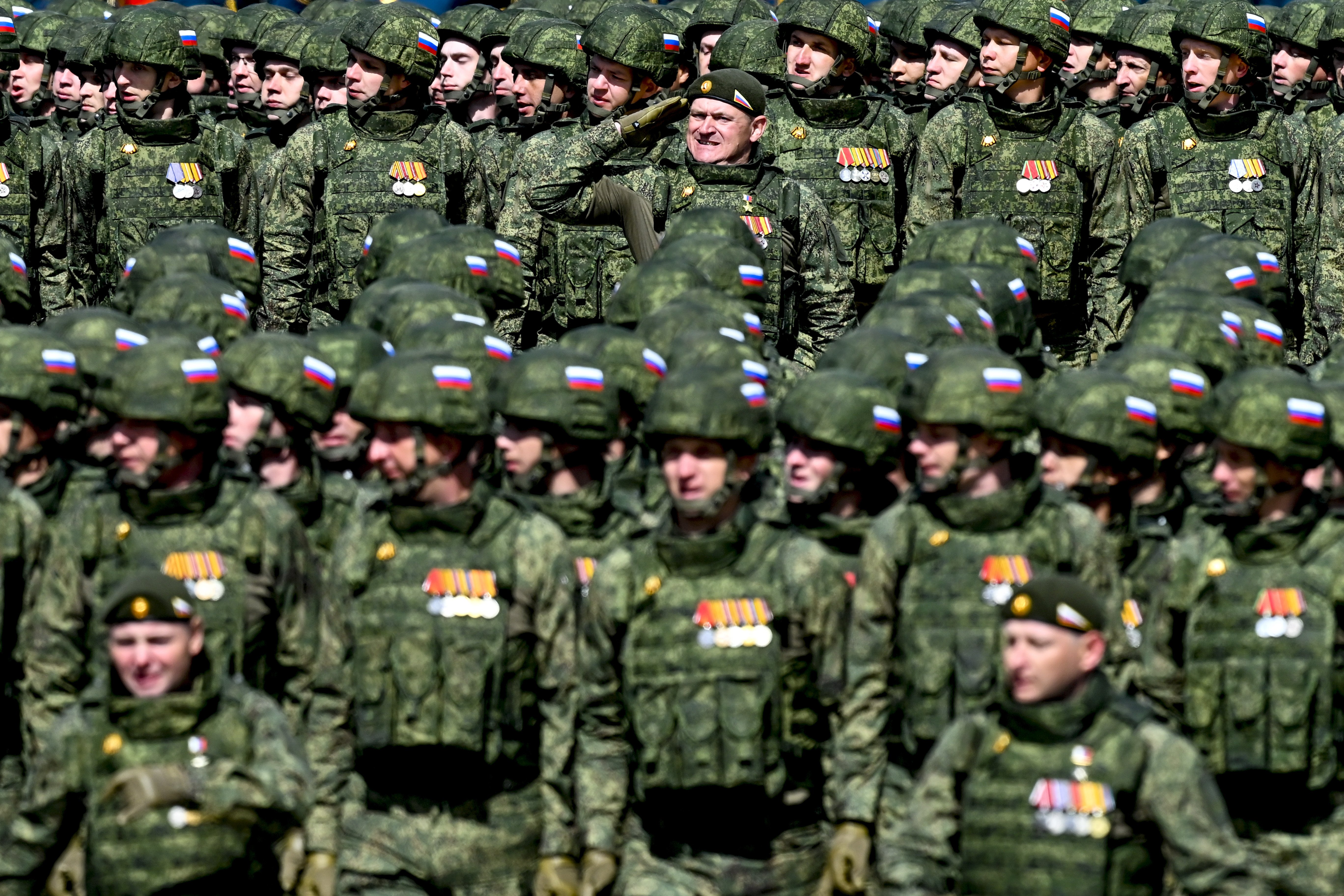
Eight EU member states have urged EU leadership to prepare a ban on entry to the Schengen Area for individuals who have served in the Russian military.
The announcement was made by Lithuanian President Gitanas Nausėda on March 13.
We bring you stories from the ground. Your support keeps our team in the field.
Nausėda revealed that the leaders of the three Baltic states, Poland, Finland, Sweden, Germany, and Romania, had approached European Council President Charles Michel and European Commission President Ursula von der Leyen, expressing their concerns about the potential threats posed by former Russian soldiers attempting to enter Europe.
“We believe that one of the most serious and persistent risks is the potential movement of former and currently active Russian combatants into the Schengen Area. Any entry of such individuals may have serious consequences,” the Lithuanian president emphasized.
Together with leaders from 🇱🇻, 🇪🇪, 🇵🇱, 🇫🇮, 🇩🇪, 🇷🇴 & 🇸🇪, we have addressed the President of the European Council @eucopresident and the President of the European Commission @vonderleyen regarding the threat posed by former Russian combatants.
— Gitanas Nausėda (@GitanasNauseda) March 13, 2026
We believe that one of the most…
In a letter to EU leadership, which was shared with European Pravda, the eight countries express concern that former Russian combatants could easily become entangled in organized crime, extremist groups, or hostile activities targeting EU nations, all within the scope of Russia's hybrid warfare strategies.
They also pointed out that among Russian soldiers are over 180,000 convicted criminals who were released early as part of a deal to exchange their freedom for military contracts.
“The number of Schengen visas issued to Russian citizens has already significantly increased. Given the freedom of movement in the Schengen Area, security issues do not depend on which country issued the visa or residence permit. Our inaction could create long-term vulnerabilities that can still be avoided at this stage,” the leaders stressed.
-39b8ad8fe20a5072e65ac372f7c0896e.jpg)
They also noted that the new EU visa policy strategy already provides options for targeted restrictions on issuing visas in cases of deteriorating relations with a third country. It includes the category of “identified former or current combatants from the aggressor country.”
“We urge the European Commission to quickly address this matter and propose concrete solutions at the EU level, including targeted amendments to the Visa Code or other appropriate tools,” the presidents and prime ministers stated.
European officials are also considering new measures to restrict Russia’s ability to operate across the EU, including a potential ban on unrestricted travel for Russian diplomats within the Schengen zone.
Politico reported in August 2025 that supporters of this proposal argue the current system makes it difficult to monitor intelligence officers using diplomatic cover to conduct hostile operations beyond their issuing country.
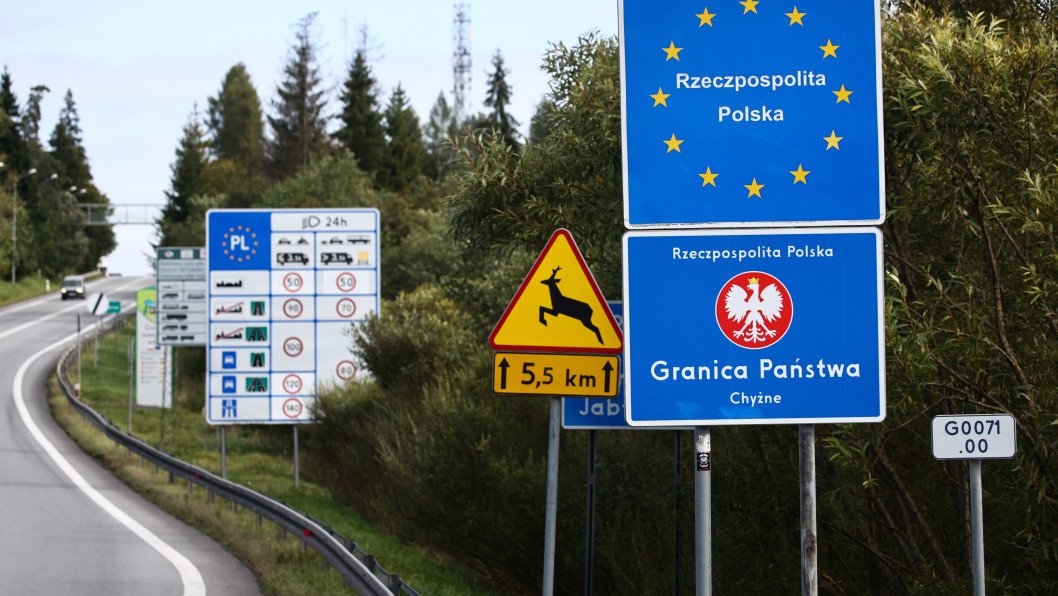
Czech Foreign Minister Jan Lipavský commented, “Just like Cato the Elder kept repeating that Carthage must be destroyed, I will keep proposing to end the free movement of Russian diplomats in Schengen.”
Lipavský argued that allowing Russian diplomats free movement within the Schengen Area provides an unnecessary advantage to the Russian regime, one that is being abused to facilitate sabotage operations.
Lithuania is also taking steps to join Estonia in barring Russian soldiers who fought in Ukraine from entering the country.
Lithuania’s Interior Minister Vladislav Kondratovič announced that the country is preparing to act on a list of Russian soldiers, though the practical details of the implementation are still being worked out.
Discuss this article:




-c439b7bd9030ecf9d5a4287dc361ba31.jpg "Photo of Katherina Popilnichenko")