- Category
- Latest news
Russian Bombers and Spy Plane Approach Alaska—US Fighters Move to Intercept
 Prefer U24 Media on Google
- Authors


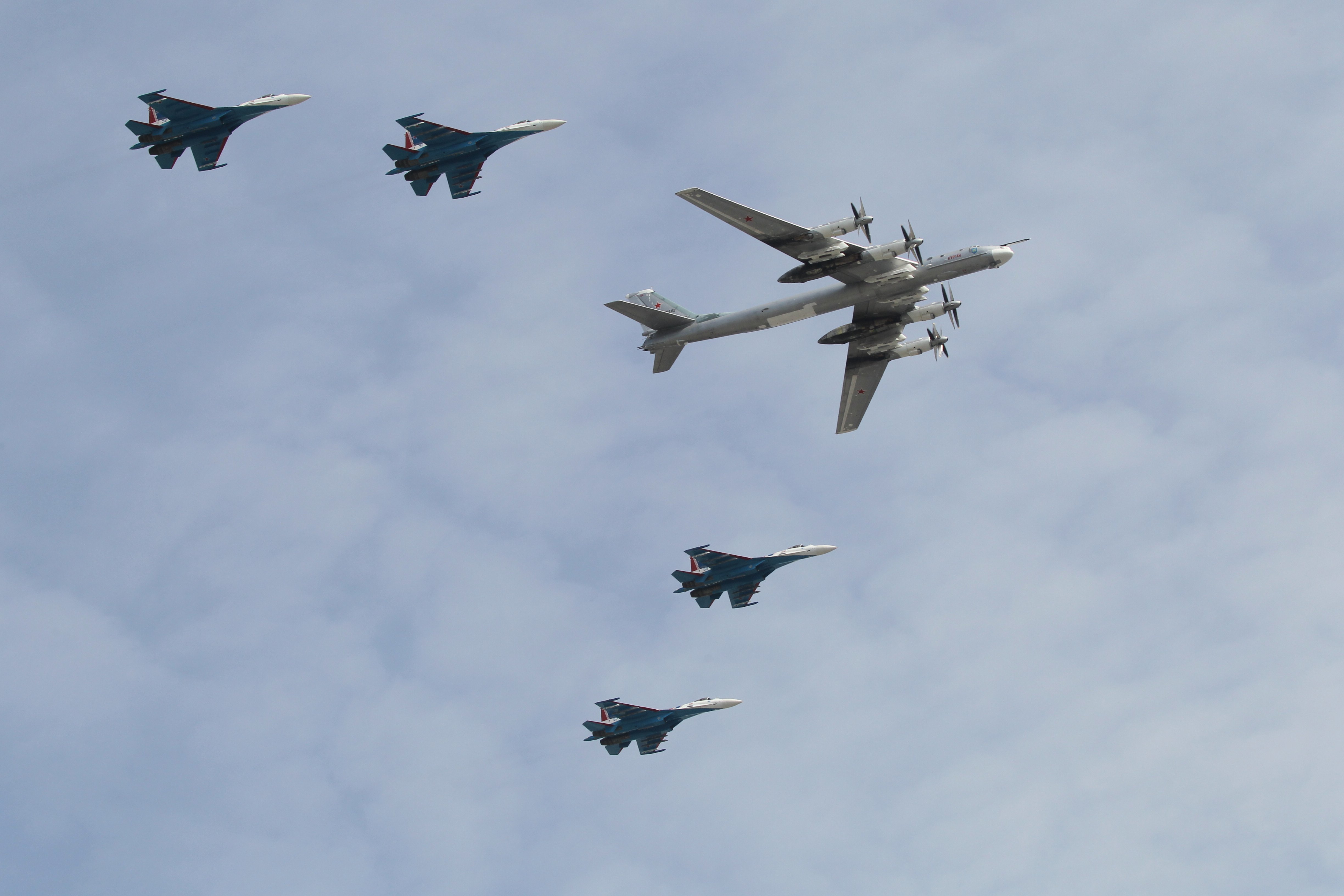
US fighter jets were scrambled Thursday after multiple Russian military aircraft were detected operating near Alaska, according to the North American Aerospace Defense Command (NORAD) on February 19.
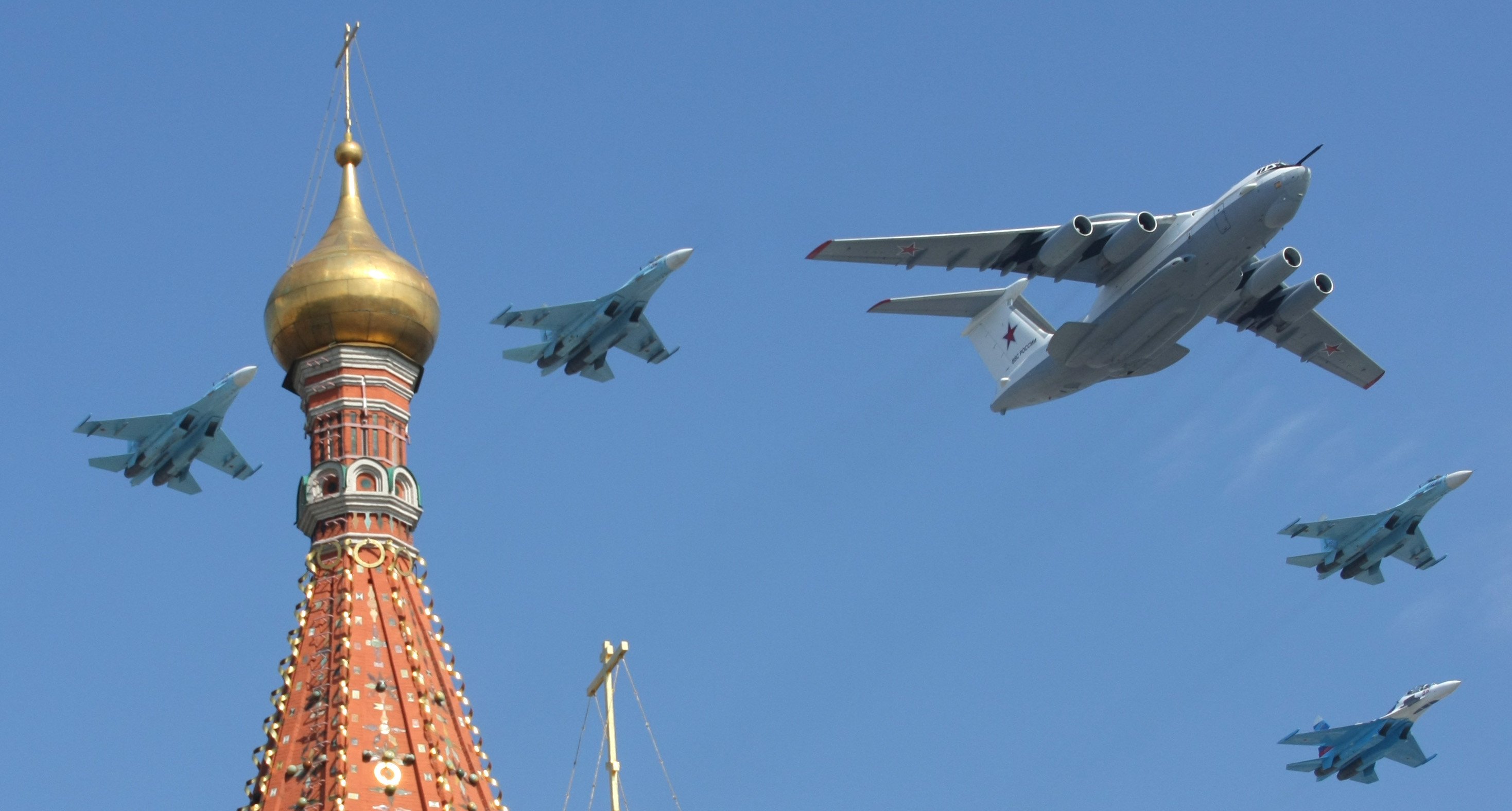
NORAD said it identified and tracked two Tu-95 strategic bombers, two Su-35 fighter jets, and one A-50 airborne early warning and control aircraft inside the Alaskan Air Defense Identification Zone (ADIZ).
We bring you stories from the ground. Your support keeps our team in the field.
In response, NORAD launched two F-16s, two F-35s, one E-3 surveillance aircraft, and four KC-135 refueling tankers to intercept and escort the Russian aircraft.
The Russian military aircraft remained in international airspace and did not enter the sovereign airspace of the United States or Canada. This Russian activity in the Alaskan ADIZ is regular and not seen as a threat, according to the US military.
PETERSON SPACE FORCE BASE, Colo. – The North American Aerospace Defense Command (NORAD) detected and tracked two Tu-95s, two Su-35s, and one A-50 operating in the Alaskan Air Defense Identification Zone (ADIZ) on Feb.19, 2026.
— North American Aerospace Defense Command (@NORADCommand) February 20, 2026
NORAD launched two F-16s, two F-35s, one E-3, and…
“An ADIZ begins where sovereign airspace ends and is a defined stretch of international airspace that requires the ready identification of all aircraft in the interest of national security,” NORAD wrote.
NORAD explained that it detected and tracked the aircraft through its layered defense network, which includes satellites, ground-based radar, airborne radar platforms, and fighter aircraft.
NORAD employs a layered defense network of satellites, ground-based and airborne radars and fighter aircraft to detect and track aircraft and inform appropriate actions. NORAD remains ready to employ a number of response options in defense of North America.
While such encounters are not unusual, the presence of long-range Tu-95 bombers alongside Su-35 fighters and an A-50 airborne command aircraft highlights Moscow’s continued strategic aviation patrols near North American airspace.
❗️BREAKING:
— NEXTA (@nexta_tv) September 30, 2024
Interception of a Russian military aircraft
North American Aerospace Defence Command has published a video of the interception of Russian Military Aircraft in the Alaska ADIZ. The incident took place back on 23 September.
“The conduct of one Russian Su-35 was… pic.twitter.com/iLRJ5mmWq2
Earlier, Russian long-range aviation carried out multiple strategic bomber flights near Japan’s air defense identification zone (ADIZ) over the Sea of Japan between January 21 and 24.
Subsequently, another pair of Tu-95s flew northeast past the western side of Hokkaido, again under fighter escort. On a separate occasion, a bomber group took a southeastern route over the Sea of Japan, reversed course near the Noto Peninsula, and headed back to Russian airspace.
Discuss this article:



-72b63a4e0c8c475ad81fe3eed3f63729.jpeg "Photo of Cyril Barabaltchouk")