- Category
- Latest news
Russia Sends Nuclear-Capable Tu-95 Bombers Toward Japan in Regional Power Play
 Prefer U24 Media on Google
- Authors


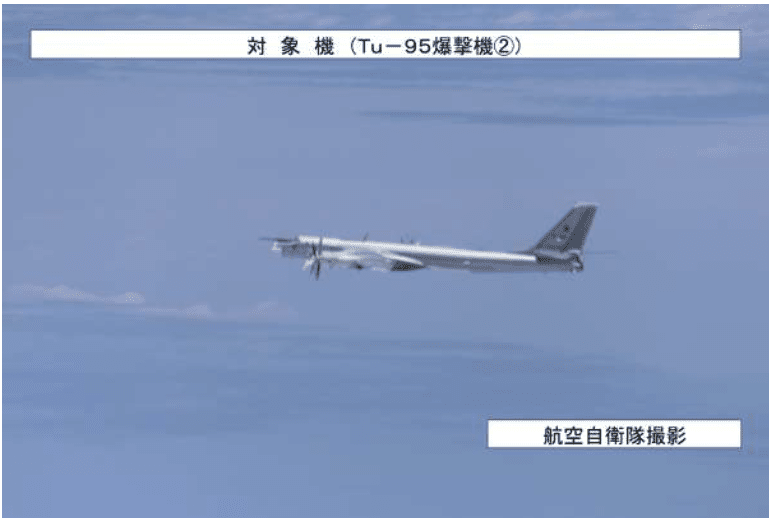
Russian long-range aviation carried out multiple strategic bomber flights near Japan’s air defense identification zone (ADIZ) over the Sea of Japan between January 21 and 24, according to the Joint Staff of Japan’s Ministry of Defense.
The ministry reported that on January 21, two Russian Tu-95MS bombers, accompanied by two fighter jets, flew eastward over the Sea of Japan. Near Shimane Prefecture, the group turned north and returned toward Russia.
Subsequently, another pair of Tu-95s flew northeast past the western side of Hokkaido, again under fighter escort. On a separate occasion, a bomber group took a southeastern route over the Sea of Japan, reversed course near the Noto Peninsula, and headed back to Russian airspace.
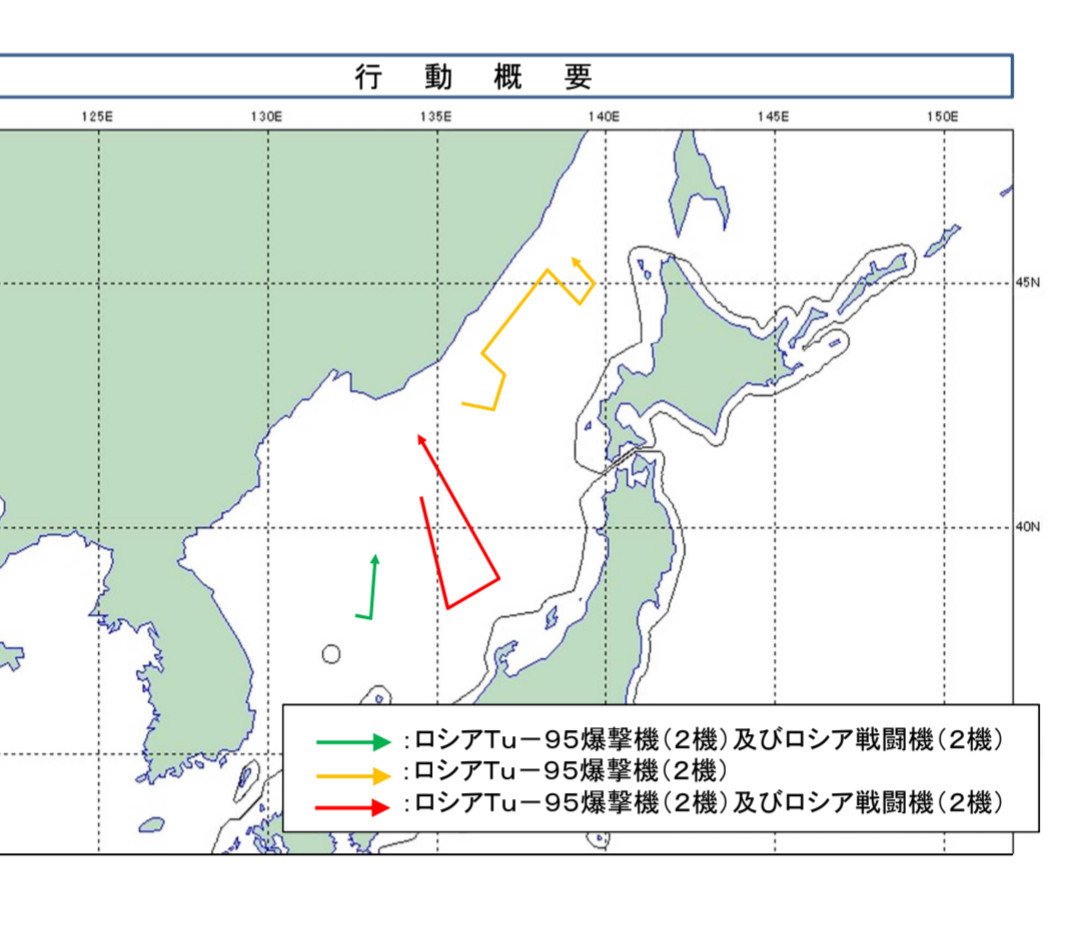
In addition to bomber activity, Japan also tracked a Russian Il-20 reconnaissance aircraft on January 23 flying southwest over the Sea of Japan before turning back near Kyoto Prefecture.
Japan’s Air Self-Defense Force (ASDF) scrambled fighter jets to monitor all the Russian aircraft involved until they exited Japan’s ADIZ. Photographic evidence of the flights was released by the Ministry of Defense.
Data released by the ministry indicates that from April to December 2025, ASDF aircraft were scrambled 448 times in response to foreign military flights approaching Japanese airspace. This figure, while slightly lower than the 521 incidents during the same period in 2024, reflects continued high operational tempo.
According to Japan’s Ministry of Defense, 68% of air intercepts in the reporting period involved Chinese military aircraft, while Russian aircraft accounted for 29%—approximately 130 scrambles. The southwestern sector remains the most active, with 287 of the total intercepts occurring in that region.
The ministry also highlighted the increasing use of carrier-based aviation by China. Roughly 260 takeoffs and landings of J-15 fighter jets from Chinese aircraft carriers were documented over the Pacific during the reporting window.
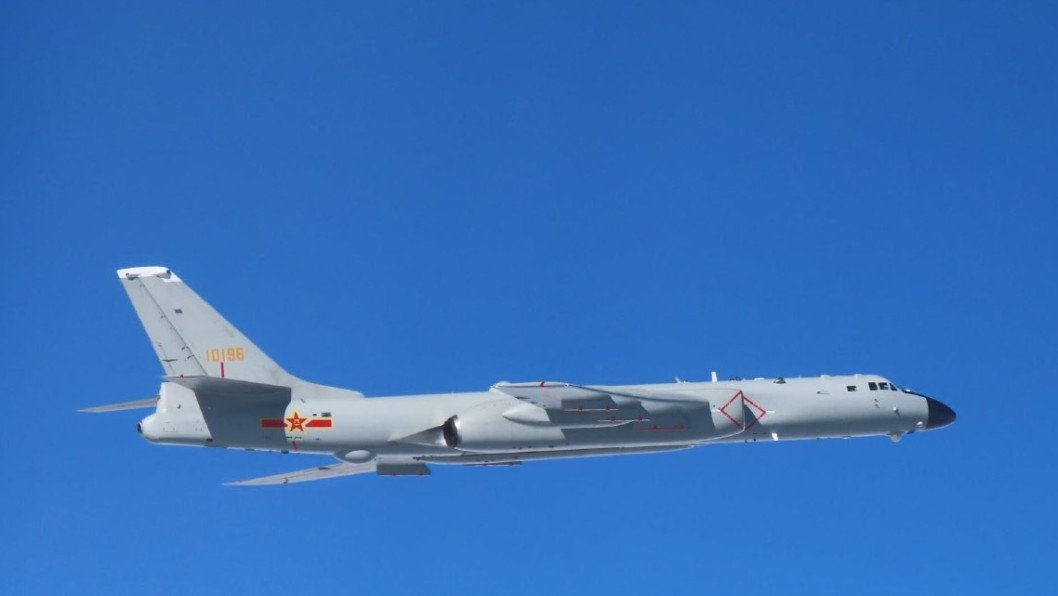
Russian and Chinese forces continue to conduct joint bomber patrols. These include long-range missions involving Russian Tu-95 and Chinese H-6 aircraft, a trend that Japanese defense officials say reflects growing strategic cooperation.
In response to these developments, Japan has conducted its own air readiness operations. The Joint Staff noted that 16 F-2 fighter jets equipped with a total of 64 anti-ship missiles were scrambled during Chinese naval movements in the region.
Earlier, Japan monitored a Russian Vishnya-class spy ship, Kareliya (hull number 535), as it passed through contiguous waters near Yonaguni and Miyako Islands. According to the Ministry of Defense, the vessel was tracked by the JS Ikazuchi and maritime patrol aircraft, highlighting ongoing foreign military activity near Japan’s southwestern island chain.
Discuss this article:
-4a56a6b482ec132402c16ef6fcabf9a2.png)


-c439b7bd9030ecf9d5a4287dc361ba31.jpg "Photo of Katherina Popilnichenko")


-111f0e5095e02c02446ffed57bfb0ab1.jpeg "Photo of Roman Kohanets")