- Category
- Latest news
Moscow Flies Tu-95 “Bear” Bombers Near Japan, Signaling Pacific Power Play
 Prefer U24 Media on Google
- Authors


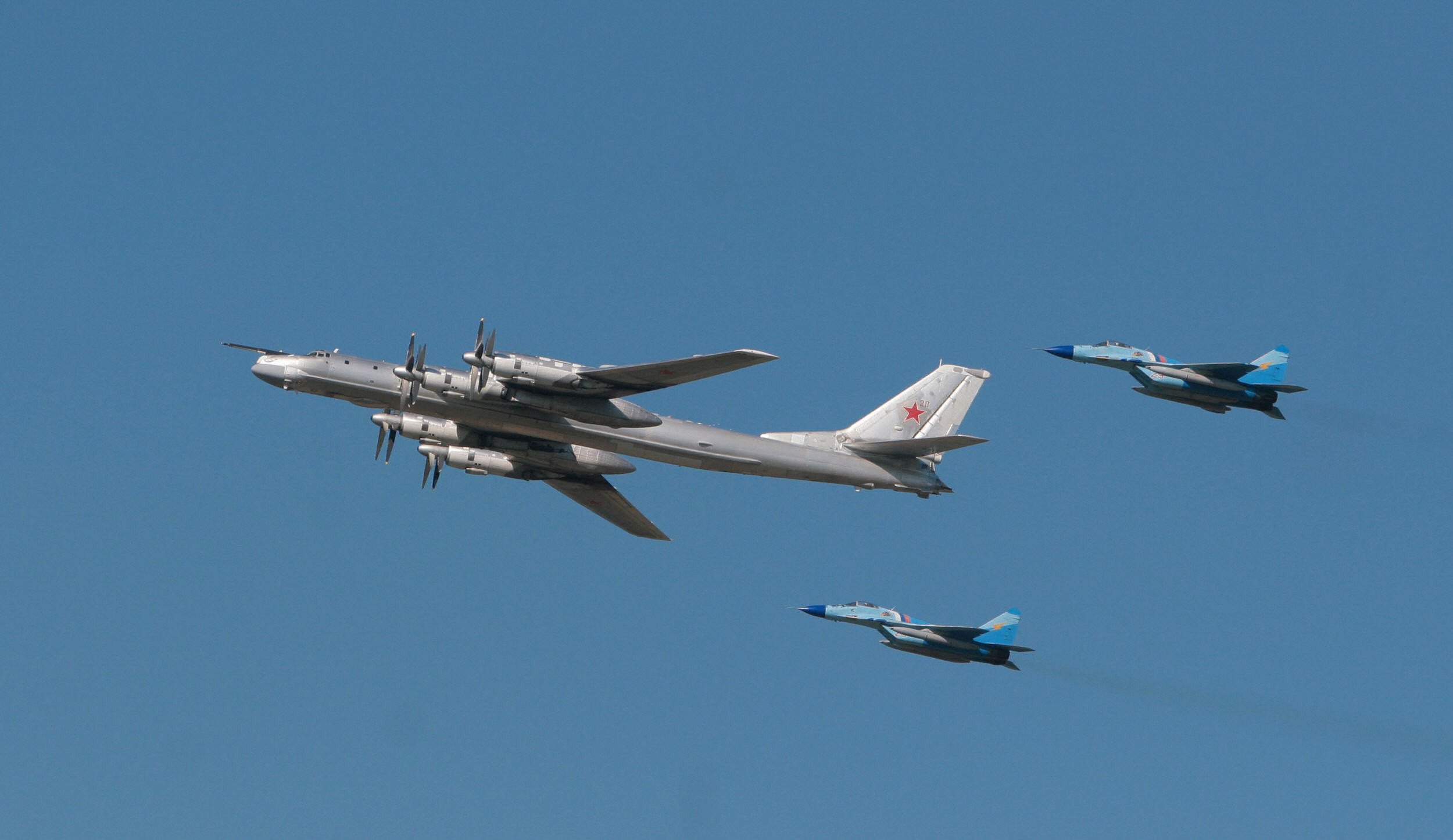
On August 19, 2025, Russian Tu-95MS nuclear-capable bombers conducted a scheduled patrol over the Sea of Japan, accompanied by Su-35S and Su-30SM fighters.
The Russian Defense Ministry described the six-hour flight as a routine long-range aviation mission.
According to Army Recognition on August 19, the patrol coincided with large-scale US–South Korea military drills and comes as Russia adjusts its bomber deployment strategy following Ukrainian drone strikes on air bases.
The timing underlines Moscow’s effort to demonstrate a continued presence in the Asia-Pacific while addressing vulnerabilities in its western aviation infrastructure.
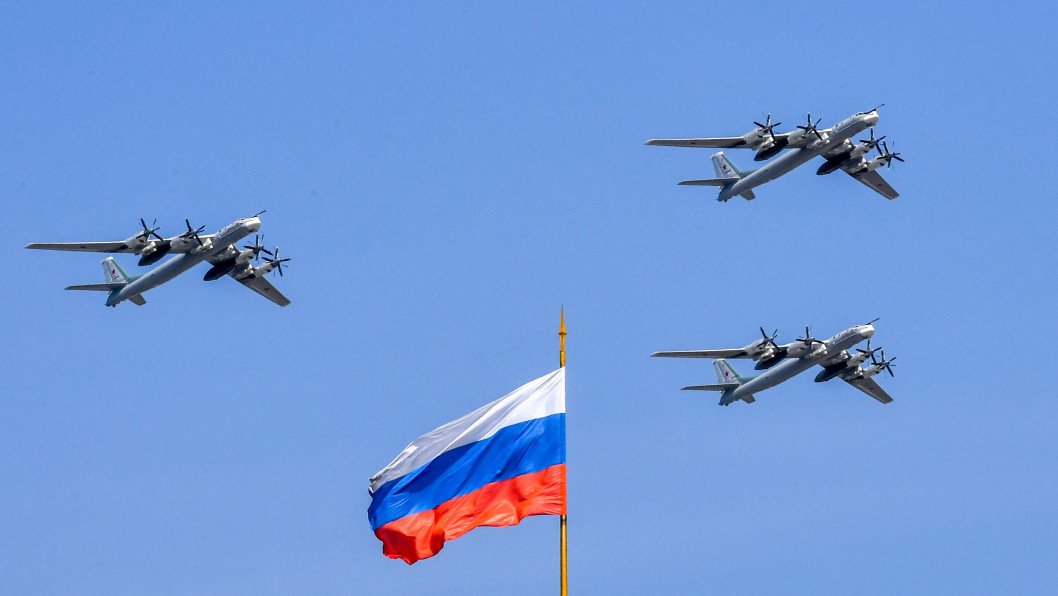
The Tu-95MS, known to NATO as the “Bear-H,” remains a central component of Russia’s long-range aviation fleet. Despite being based on a 1950s design, the aircraft has been upgraded to carry Kh-55 and Kh-101 cruise missiles, including nuclear-capable variants, enabling strikes at extended ranges.
Escorting fighters equipped with advanced avionics and long-range missiles provided protection for the bombers against potential intercepts.
Flights of this kind are regularly presented as standard patrols over neutral waters, but their occurrence often coincides with periods of heightened geopolitical activity. The Sea of Japan mission demonstrates Russia’s capacity to sustain long-range operations while projecting its airpower beyond Europe.
In comparison to similar platforms, such as the US B-52H Stratofortress and China’s Xian H-6K, the Tu-95MS is notable for its longevity and adaptability.
Although its aging airframe makes it more vulnerable to advanced air defenses, integration with modern cruise missiles and the use of fighter escorts continue to secure its role within Russia’s nuclear triad.
Strategically, the patrol reflects Russia’s intent to maintain visibility in the Pacific region. By repositioning some bomber flights eastward, Moscow reduces exposure to Ukrainian long-range drone operations while signaling a broader deterrence posture.
Earlier, Japan lodged a formal protest after Russia announced live-fire drills near the disputed Northern Territories between August 1 and September 1.
According to Japan’s Foreign Ministry on August 18, Tokyo summoned Russian diplomats to object, stressing that such activities undermine regional stability and are incompatible with Japan’s sovereignty claims.
Discuss this article:


-c439b7bd9030ecf9d5a4287dc361ba31.jpg "Photo of Katherina Popilnichenko")