- Category
- Latest news
Russian Think Tanks Map Out Missile Targets in Japan, Targeting Air Defense and Shipyards
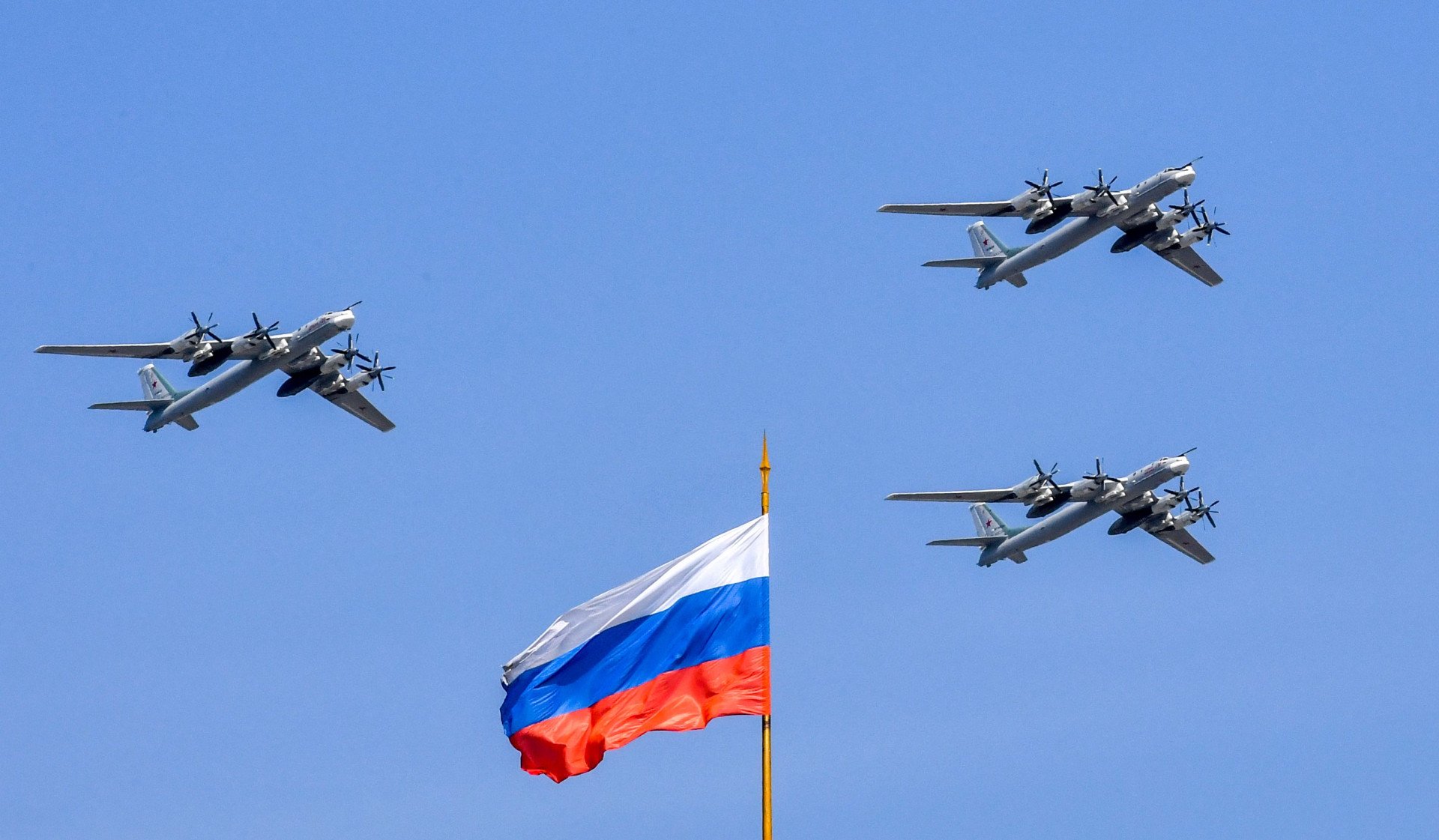
What would it take for Russia to disable Japan’s US-backed missile defense and naval infrastructure in a full-scale war? Kremlin-linked analysts now claim to know the answer—and they’re thinking in hundreds of missiles.
 Prefer U24 Media on Google
- Authors


Russian military analysts have published detailed projections of a hypothetical missile campaign targeting Japan’s defense infrastructure, outlining strike phases aimed at disabling air defenses, early warning radars, and shipbuilding capabilities.
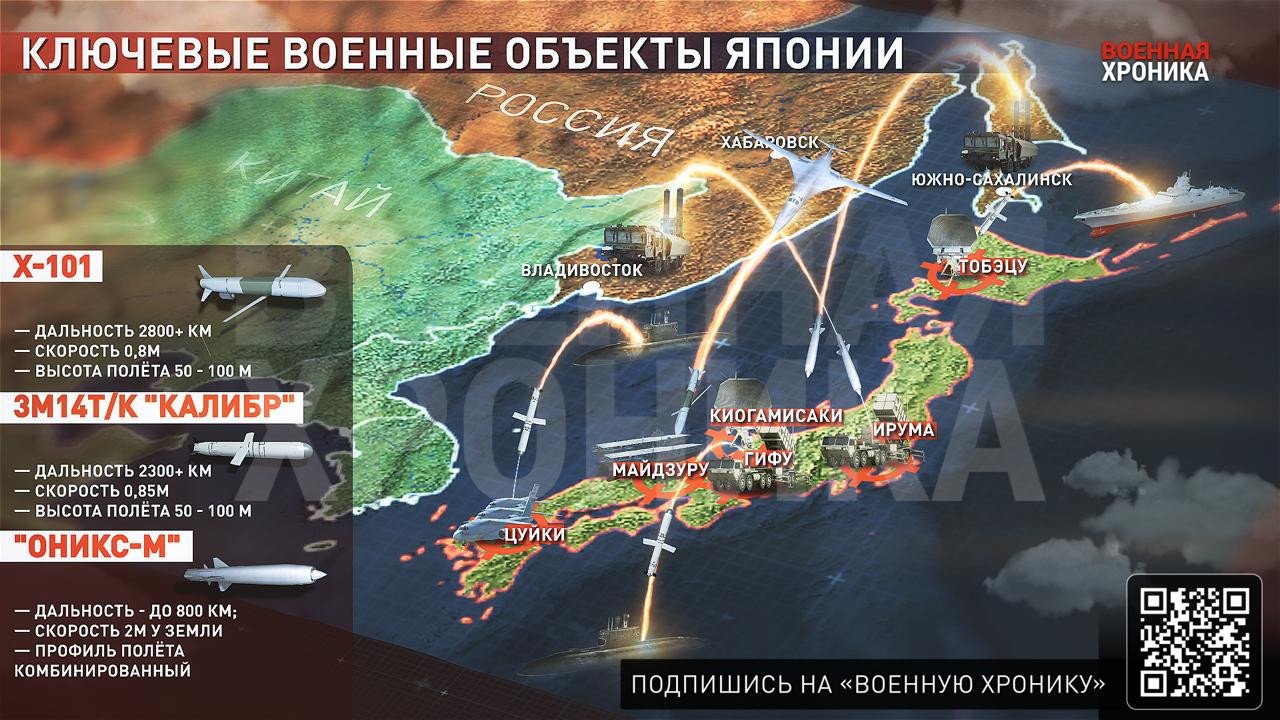
According to Defense Blog on July 31, these calculations were first reported by the pro-Kremlin outlet Voennaya Khronika, which claimed that neutralizing a single Patriot PAC-3 battery in Japan would require 25 to 45 missiles—specifically Kh-101 cruise missiles or Iskander ballistic missiles.
Alternatively, the same objective could be achieved using 10 to 12 Kinzhal hypersonic missiles per site. The analysis focused on batteries located in Hakodate, Iruma, and Gifu.
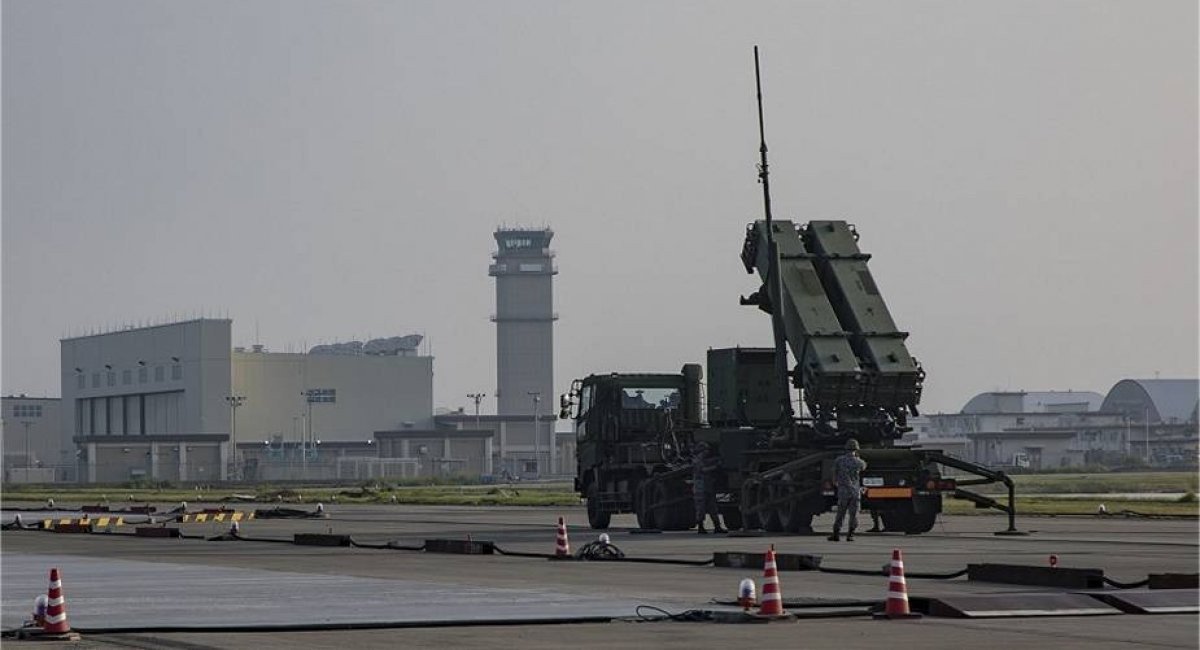
The report also proposed targeting Japan’s early warning radar systems, including J/FPS-3UG stations in Tobetsu and Kyogamisaki, and the J/FPS-4 radar at Mt. Tokao. According to the analysts, seven Kh-101 missiles would be required per radar installation to render them inoperable.
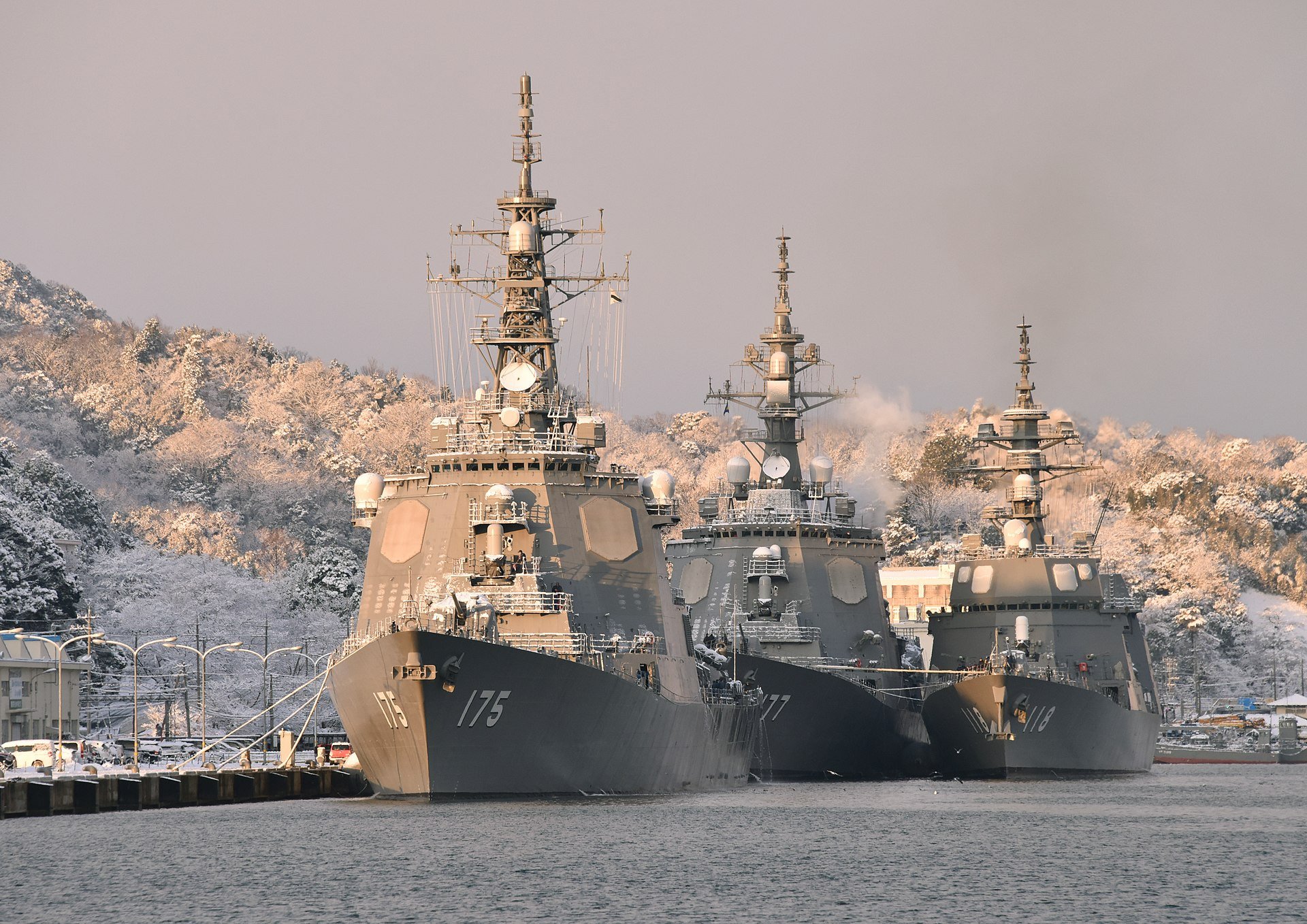
The second phase of the simulated campaign would involve strikes on key naval facilities, including the bases at Maizuru and Ominato. These sites were assessed as requiring 20 to 25 Kalibr cruise missiles each to significantly degrade Japan’s naval deployment capacity.
In the third phase, Russian analysts identified shipyards operated by Mitsubishi Heavy Industries in Nagasaki, Kobe, Shimonoseki, and Yokohama as critical targets.
The report argued that these facilities support not only Japanese naval production but also the maintenance of US naval assets stationed in the region.
Disabling this infrastructure, according to the authors, could disrupt Japan-US defense cooperation.
In total, the analysts estimated that approximately 200 to 250 Kh-101 missiles would be needed to complete such a campaign. The potential integration of Kinzhal missiles in selected phases was suggested as a way to reduce cruise missile usage while introducing added operational complexity.
The authors referenced Russia’s operational experience in Ukraine as a basis for refining strike coordination tactics intended to bypass advanced air defense systems like the Patriot PAC-3.
However, the scenario was presented as a theoretical response to possible future deployments of long-range missiles—such as Japan’s Type 12 upgrade and the US-supplied MRC Typhon systems, both viewed by Russian analysts as strategic threats to Russia’s eastern territory.
Earlier, leaked Russian military documents reviewed by the Financial Times revealed that Moscow had trained officers for potential war with Japan and South Korea, identifying over 160 strategic targets—including nuclear plants, tunnels, and radar sites—many of which were intended for Kh-101 missile strikes.
Discuss this article:


-c439b7bd9030ecf9d5a4287dc361ba31.jpg "Photo of Katherina Popilnichenko")