- Category
- Latest news
Leaked Files Suggest China Interested in 48 Russian Ka-52 Attack Helicopters
 Prefer U24 Media on Google
- Authors

-111f0e5095e02c02446ffed57bfb0ab1.jpeg "Photo of Roman Kohanets")
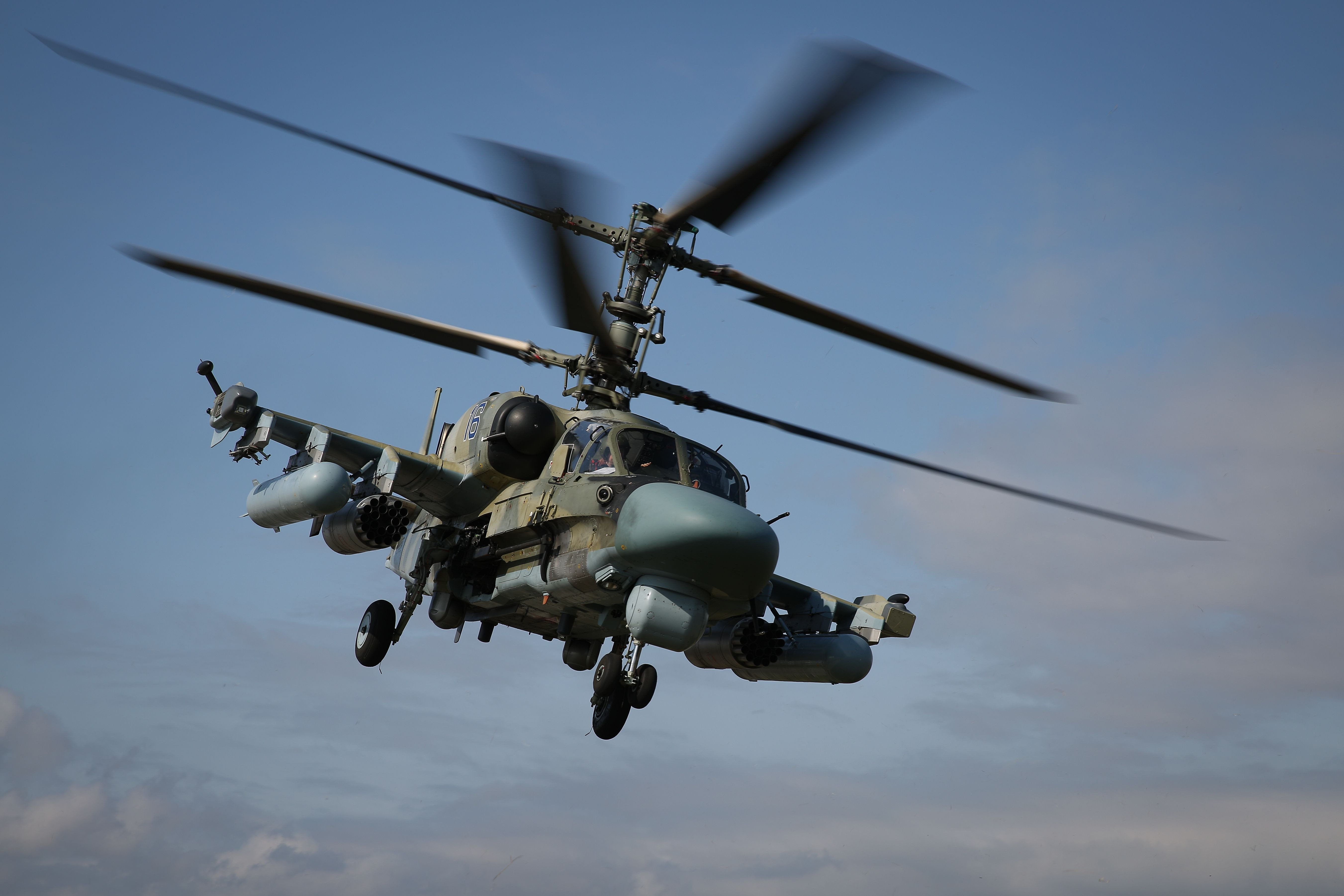
Leaked internal documents indicate China may be interested in Russia’s Ka-52 attack helicopters, according to Militarnyi on March 12.
The report described the material as correspondence linked to AAC Progress, the Russian plant that builds the Ka-52.
They point to a foreign customer identified only as “156” and to export work tied to 48 helicopters.
We bring you stories from the ground. Your support keeps our team in the field.
One of the leaked letters states that, following a March 4, 2022, request from Rosoboronexport, AAC Progress was asked to provide documents for the delivery of 48 Ka-52M helicopters, related equipment, and training for a foreign customer “156.”
At the same time, official Russian documents, including the All-Russian Classification of Countries of the World , list China under the code “156.”
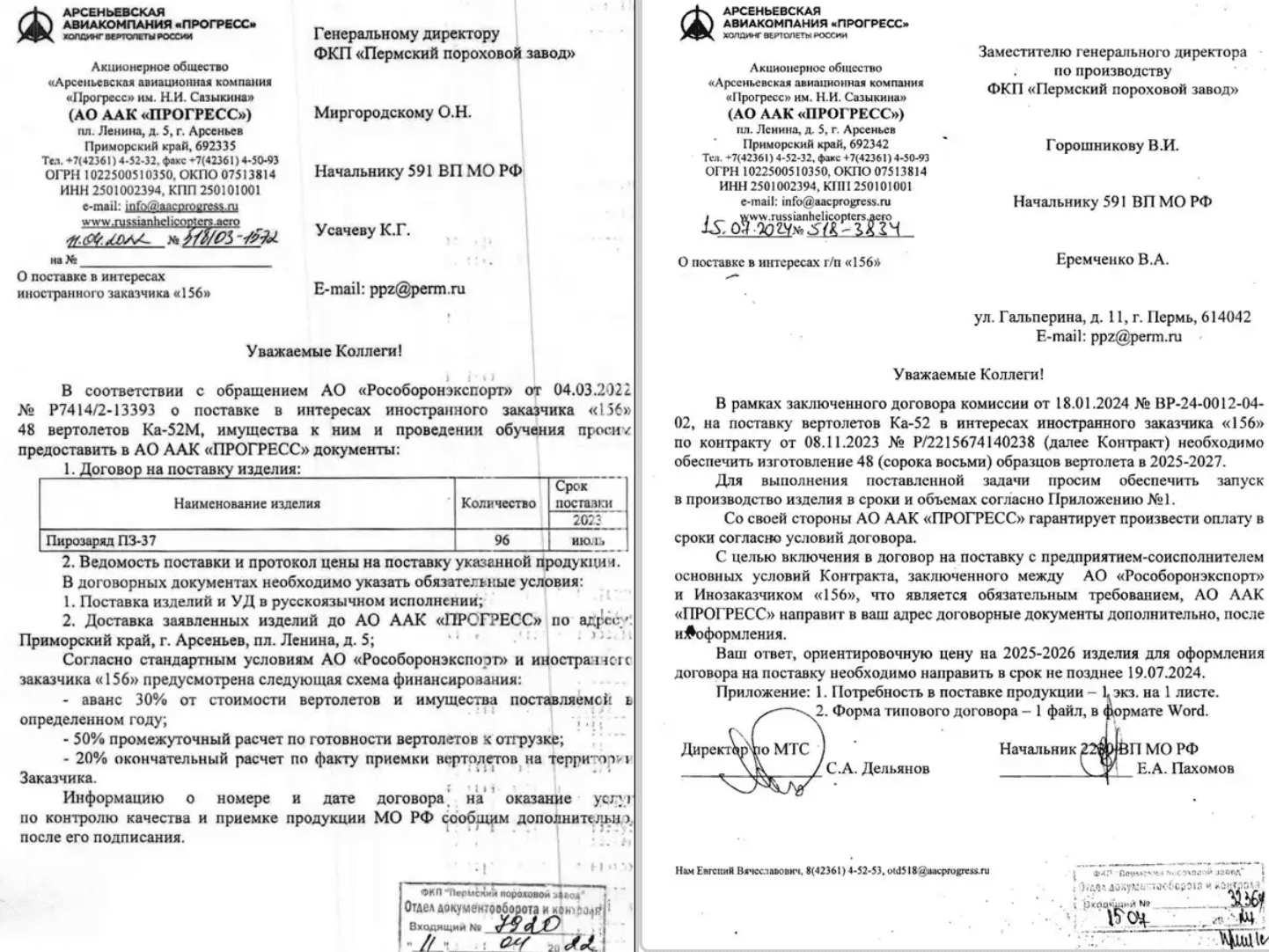
The same document from April 2022 requested 96 PZ-37 pyrotechnic igniters and related paperwork for 48 Ka-52M helicopters under a Rosoboronexport export contract.
A separate document outlines the standard financing scheme used for Russian arms exports through Rosoboronexport. It envisages a 30% advance payment, a 50% interim payment upon the helicopters being ready for shipment, and a final 20% payment upon delivery and acceptance by the customer.
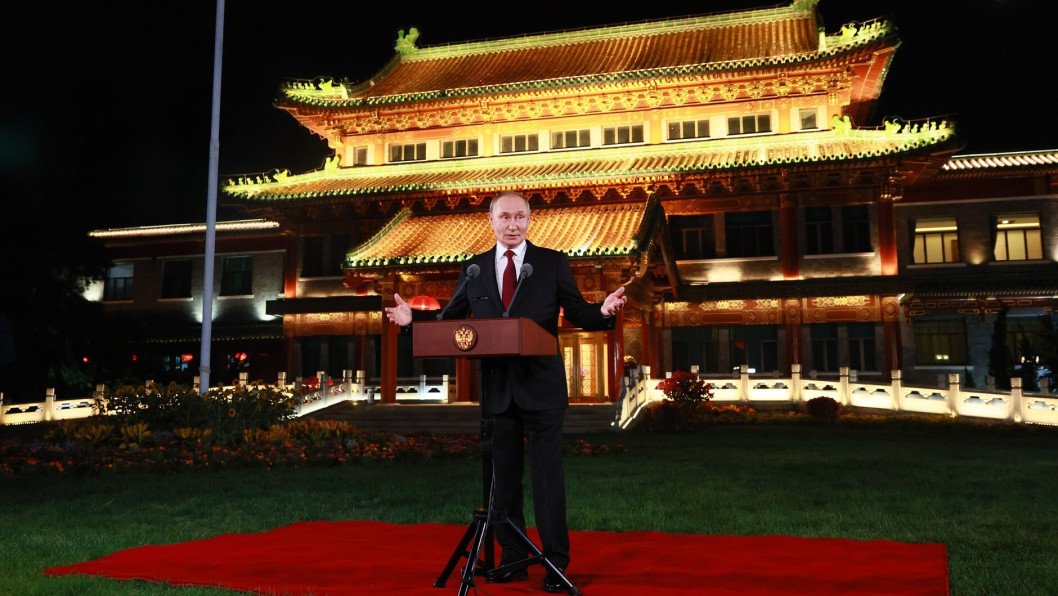
The Ka-52 is a Russian two-seat attack helicopter used extensively in Moscow’s war against Ukraine. If the documents are authentic, they would point to continued Russian arms exports and deeper military-technical cooperation with China despite sanctions and Russia’s battlefield losses.
The potential cooperation also appears against the backdrop of shrinking Russian participation in major international arms events.
Russian defense manufacturers were absent from Asia’s biggest aerospace shows, including the Singapore Airshow, for a second straight year, highlighting how Moscow’s arms-export sector is shrinking and concentrating under wartime strain.
Analysts indicated that the disappearance reflects forced reallocation and structural constraints rather than a strategic pivot away from Asia, as Russia’s export profile narrows and relies more on a small set of buyers.
Discuss this article:
-4a56a6b482ec132402c16ef6fcabf9a2.png)