- Category
- Latest news
Putin’s Tech Paranoia Is Dragging Russia Into the Past
 Prefer U24 Media on Google
- Authors


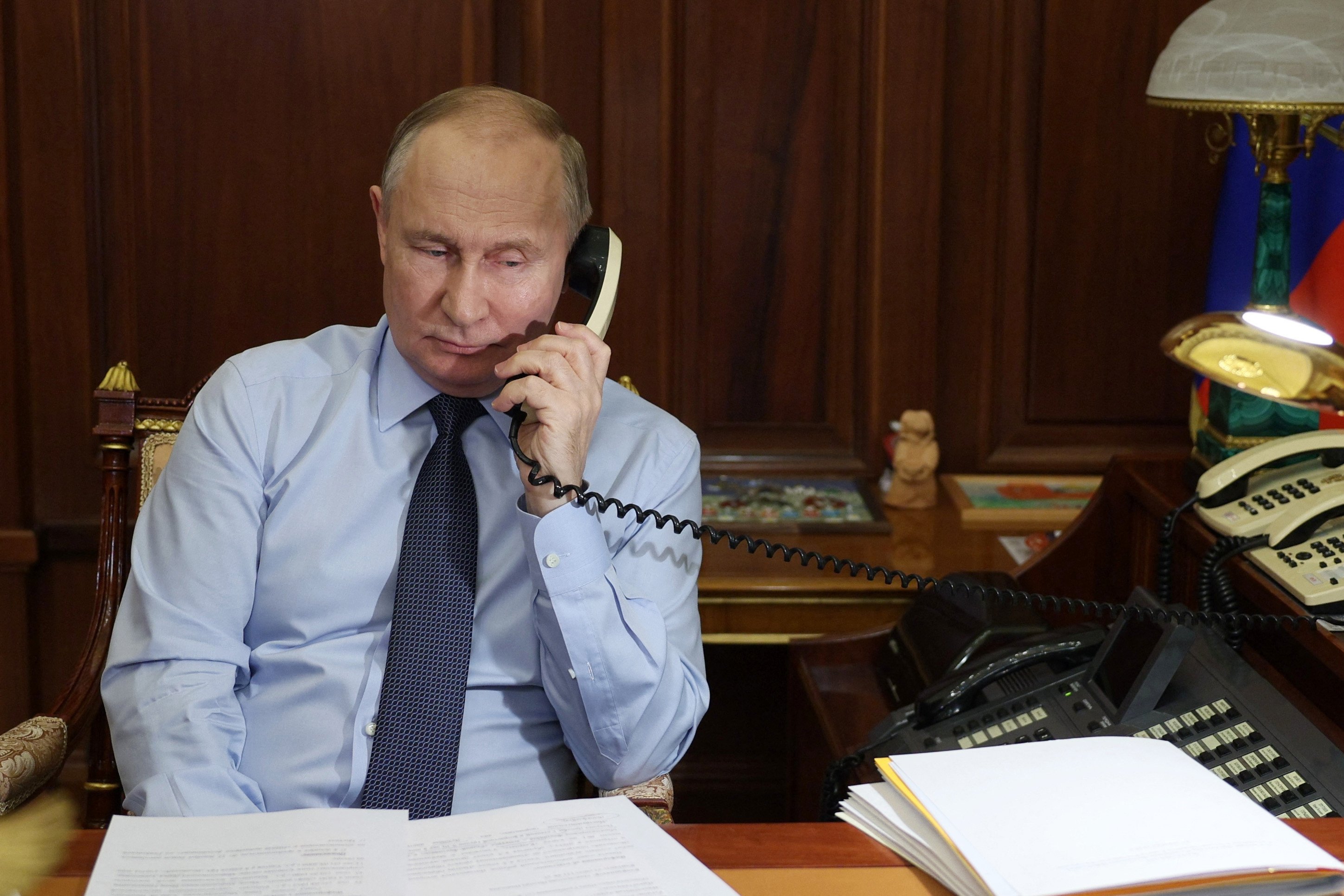
Russia has fallen significantly behind in the global race for artificial intelligence, largely due to Russian leader Vladimir Putin’s personal aversion to modern technology, according to The Times on January 31.
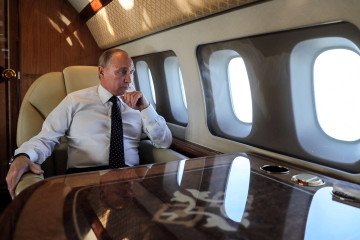
As reported by The Times, Putin governs the country using encrypted landline telephones and printed briefings, avoiding the internet and smartphones entirely.
He reportedly considers the internet a “CIA project,” a stance that isolates him from the digital tools embraced by leaders worldwide. This aversion, the report suggests, has direct consequences for Russia’s technological competitiveness.
-6403c946457b52fb65db46330ea2b5ec.png)
In contrast, many heads of state coordinate policy through encrypted messaging platforms and advanced digital systems. The Times points out that this stark technological gap raises questions about Russia’s ability to compete in fields like AI.
According to Stanford University’s AI Index, Russia ranks 28th out of 36 countries in terms of overall AI capacity. It lags not only behind leaders like the United States, China, and India, but also behind smaller nations such as Luxembourg, Belgium, and Ireland.
No Russian universities made it into the global top 200 research institutions in AI, and no Russian companies were included in the world’s top 100 AI firms.
A new humanoid robot's debut appearance in Moscow, Russia did not go to plan, after the robot promptly fell on its face seconds after its grand unveiling. pic.twitter.com/8UjuRZhryz
— ABC News (@ABC) November 13, 2025
One widely publicized incident symbolizing this gap involved a Russian humanoid robot that fell face-first onto the stage moments after being introduced at a Moscow event.
The Times also highlights the Kremlin’s tightening control over digital platforms, including widespread internet censorship and restrictions on social media. This environment, the report notes, stifles innovation and discourages independent AI development.
Economist Vladislav Inozemtsev told The Times that building a viable AI sector requires a favorable investment climate and independent startups—conditions he believes are lacking in Russia.

The Times also reported that Yandex’s AI assistant “Alisa,” seen as Russia’s closest analogue to tools like ChatGPT, avoids political topics to comply with state censorship. In one case, the assistant initially identified Luhansk as part of Ukraine before quickly correcting itself and refusing to answer.
Russia’s AI sector has also been impacted by war-related brain drain and sanctions. According to The Times, approximately 100,000 IT specialists—about 10% of the country’s digital workforce—left Russia in 2022.
Hardware constraints further compound the issue. Radio Free Europe reported that Sberbank, Russia’s largest bank, was able to acquire only 9,000 GPUs since the start of the full-scale invasion. By comparison, Microsoft purchased nearly 500,000 GPUs in 2024 alone.
The Times cites growing concern among economists that Russia may permanently lose technological sovereignty and become reliant on China for advanced systems and infrastructure. Despite these risks, the report notes that the Kremlin appears more focused on political control than on regaining ground in the AI race.
Earlier, Russia signaled that its main use for AI lies in censorship, not innovation. In 2026, Roskomnadzor plans to launch an AI-powered system to block online content, with over $29 million allocated despite ongoing economic cuts.
In 2025 alone, VPN-related content bans rose by over 1,200%, highlighting how the Kremlin directs AI toward controlling information rather than advancing technology.
Discuss this article:
-4a56a6b482ec132402c16ef6fcabf9a2.png)