- Category
- Latest news
Ukraine Develops AI to Track Russian Troops Through Social Media
 Prefer U24 Media on Google
- Authors


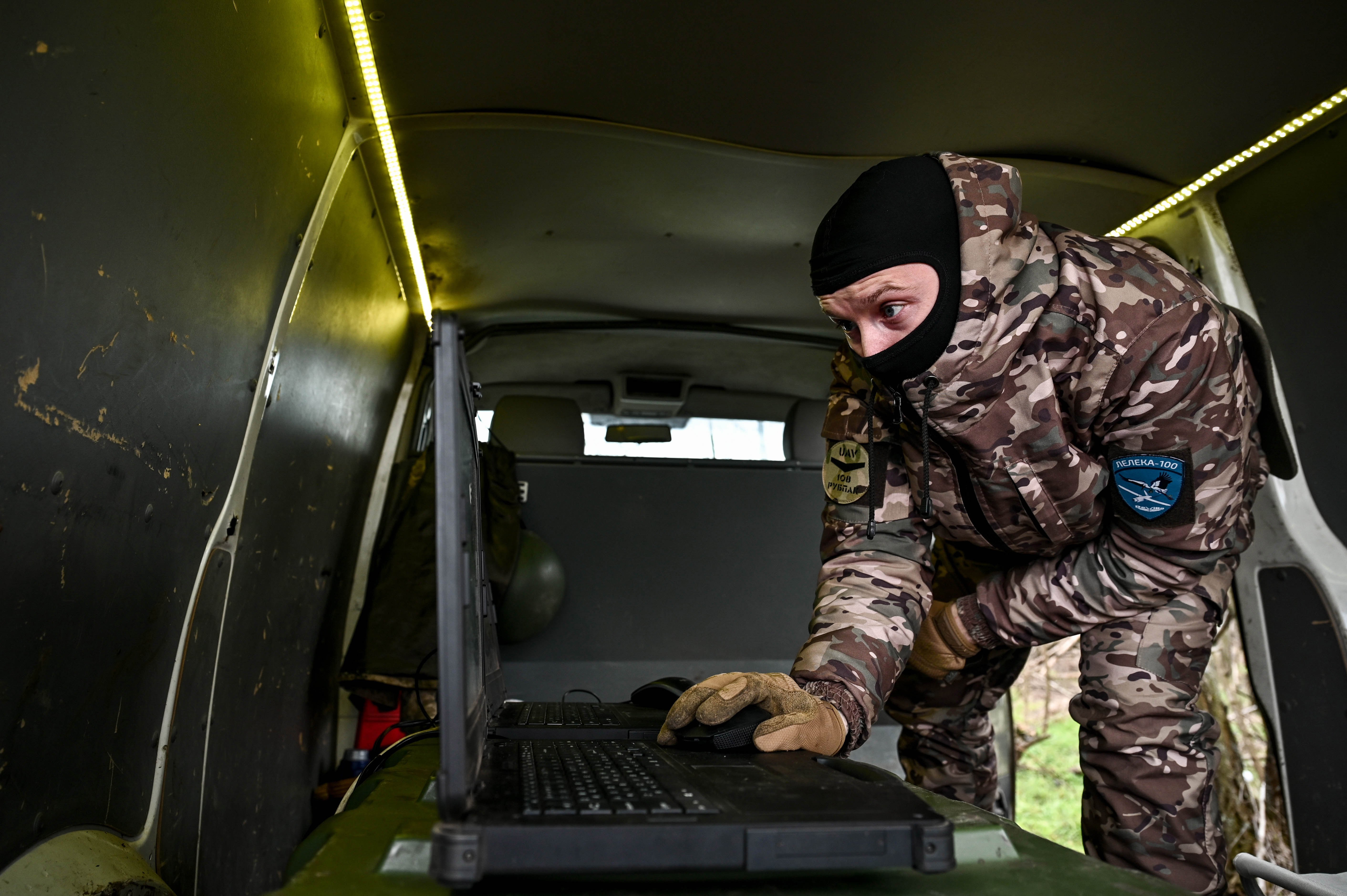
The Ukrainian defense innovation center Boryviter is developing an artificial intelligence system designed to passively monitor and analyze Russian-affiliated media and social platforms.
According to Militarnyi on July 31, the system—called ODCR Assistant—is currently undergoing testing and is intended to enhance Ukraine’s military intelligence capabilities by automating open-source data collection and filtering relevant information for further analysis.
The name ODCR stands for Observation, Discussion, Conclusion, and Recommendation—the four core elements the neural network is designed to detect within unstructured data streams.
“We’ve connected the module to several unclassified data feeds, and the AI is already capable of recognizing key experience-based indicators,” said Pavlo Musiyenko, head of Boryviter’s analytical department. “It processes all incoming publications, filters them, and generates structured observations.”
-6403c946457b52fb65db46330ea2b5ec.png)
The system currently tracks around 1,000 posts per day from various sources, ranging from niche military blogs to general public channels. Among these are social media accounts of Russian military personnel and technical specialists involved in frontline operations or weapons development.
The AI sorts posts in two phases using a system of “red” and “green” markers—keywords that signal the potential value or irrelevance of a post. If a message contains only “green” markers and lacks “red” ones, it is passed on for deeper analysis.
The next phase of development includes training the model to evaluate whether the extracted information is already known and, if necessary, categorize and systematize the new data. However, full automation is not yet feasible, and human analysis remains essential.
“We are still far from fully autonomous analysis and automated reporting,” Musiyenko noted. “Also, since we work exclusively with open sources, there are inherent limitations. Once the system is further refined, it will significantly enhance the capacity of our military experience analysts.”
In parallel, Boryviter is working on another AI project aimed at supporting Ukrainian service members. This second language model, built with functionality similar to ChatGPT, is designed to engage directly with frontline personnel and assist in analyzing operational outcomes by addressing questions such as “what happened,” “what were the root causes,” and “what should be changed.”
According to the development team, progress has been possible due to a well-coordinated group of specialists. The main challenge remains computational capacity, as the volume of data being processed requires significant hardware resources. Boryviter currently operates large servers to handle the continuous data flow.
The initiative is entirely managed by Boryviter and is open to collaboration, provided the partnership remains focused on supporting the Ukrainian Armed Forces and is strictly non-commercial.
Earlier in July, Ukraine announced it would host Defense Tech Valley 2025, a record-breaking summit in Lviv on September 16–17, expected to become the world’s largest gathering focused on military technology and battlefield AI.
Backed by the Ministry of Digital Transformation and Brave1, the event will connect over 5,000 global investors, tech leaders, and defense innovators with Ukrainian startups deploying combat-tested solutions.
Discuss this article: