- Category
- World
Russians Pull Billions From Bank Deposits in First Major Cash Outflow Since 2022
 Prefer U24 Media on Google
- Authors

-c439b7bd9030ecf9d5a4287dc361ba31.jpg "Photo of Katherina Popilnichenko")
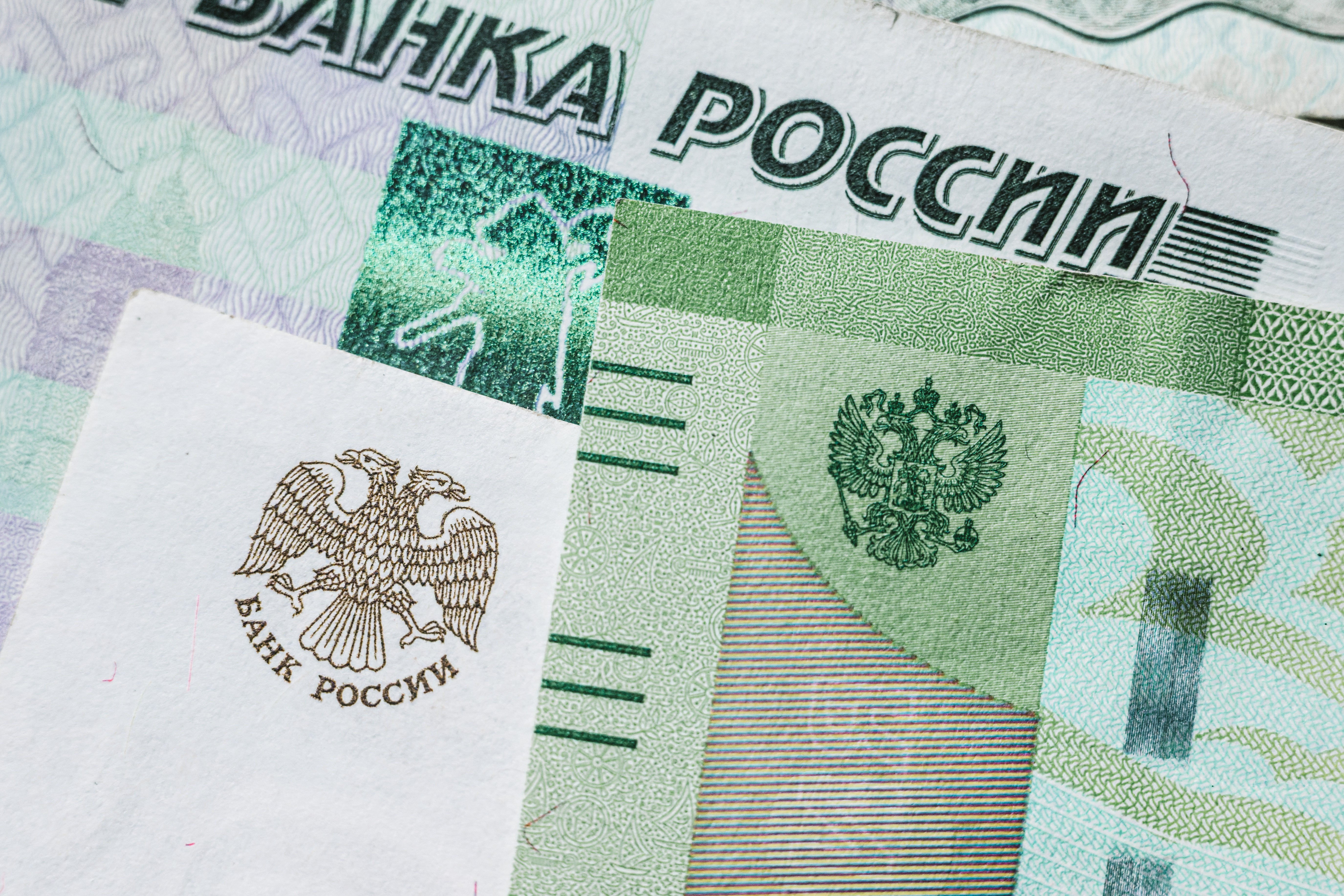
For the first time since October 2022, when a wave of panic over military mobilization swept the country, Russian citizens have begun reducing their fixed-term bank deposits, according to The Moscow Times on May 18.
We bring you stories from the ground. Your support keeps our team in the field.
Data from the Central Bank of Russia indicates that long-term deposits, specifically those with a maturity of more than one year, recorded the sharpest outflows. Financial analysts point to a sharp drop in interest rates as the primary catalyst for this shift, which has prompted citizens to either redirect their capital into alternative financial assets or spend it on high-value, durable consumer items.
Additionally, localized internet blackouts and disruptions in electronic payment systems have forced people to pull physical cash out of the banking system.
An analysis of central bank data by RBC revealed that fixed-term savings decreased by 288 billion rubles ($3.1 billion) in March.
This sudden outflow meant that the total volume of individual funds held across Russian banks managed a meager monthly growth of just 0.3%, a minor increase driven solely by current accounts rather than stable deposits.
The shift toward physical spending and alternative investments is already visible in broader economic data. Domestic car sales jumped by 30.6% year-on-year in March, followed by a 15.1% increase in April, bouncing back after notable declines during the first two months of the year.
Concurrently, the total volume of physical cash held by Russian citizens surged by 0.3 trillion rubles ($3.2 billion) in March, with an additional 0.6 trillion rubles ($6.5 billion) withdrawn in April.

Despite the recent withdrawals, fixed-term deposits still make up the vast majority of personal wealth stored within the national banking system, accounting for 46.9 trillion rubles ($506.5 billion) out of a total 67.4 trillion rubles ($727.9 billion) recorded on April 1. However, market research from Frank RG indicates that fresh inflows into these accounts have largely stalled.
Throughout 2025, the country's entire retail savings market expanded almost entirely due to compounding interest, which generated 15.5 percent of the recorded growth, while actual new capital contributions accounted for a negligible 0.4 percent. By comparison, interest payments were responsible for roughly 60 percent of the total market growth the previous year.
Under the Civil Code of the Russian Federation, individuals retain the legal right to withdraw their funds from fixed-term accounts at any time, sacrificing only the accumulated interest.
The vast majority of Russian bank deposits carry terms shorter than six months. Because of this, many savers simply wait for the maturity date to pass and choose not to renew their accounts.
The long-term accounts that expired in March were likely opened during late 2024 and early 2025 when domestic interest rates peaked before sliding back down to levels last seen in November 2023.
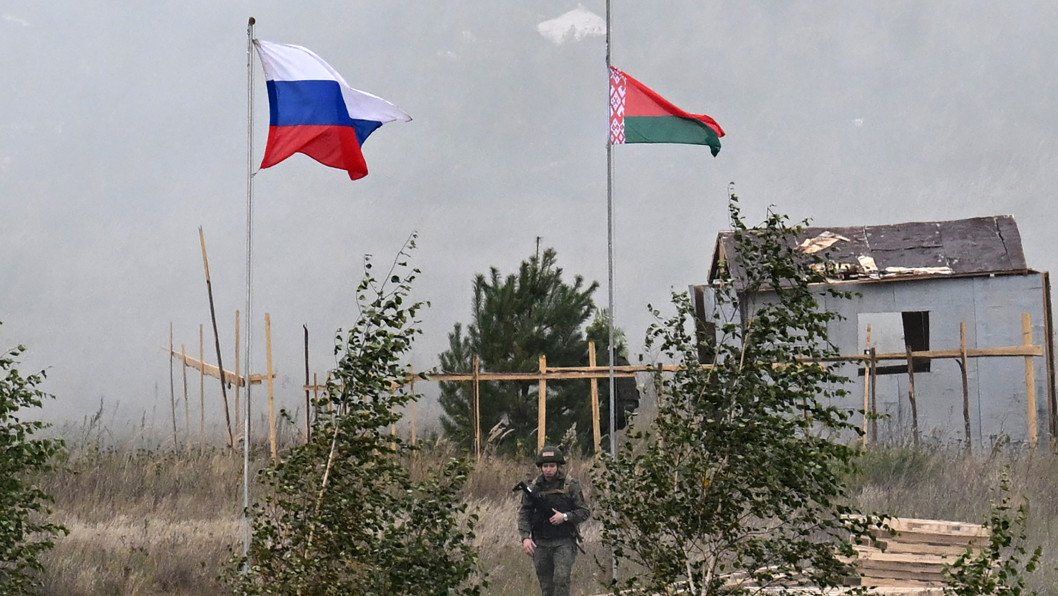
Maxim Reshetnikov, the Minister of Economic Development, noted that last year's high interest rates pushed the national savings rate to an all-time high of 16.6 percent of total income. He stated that as rates decline, the savings rate will naturally shrink, and more money will flow directly into the consumer market.
Economist Egor Susin agreed with this assessment, noting that a gradual release of surplus savings is currently underway. He stated that it is fair to speak of small shifts from savings into automobile demand, but as rates decline, this is exactly what should happen.
Following the massive mobilization wave in September 2022, the initial panic and interest in leaving Russia had gradually declined. By February 2025, search volumes for migration-related phrases dropped significantly compared to the previous year.
However, a new upward trend emerged late in 2025 and continued directly into early 2026. By January of that year, interest in these searches rose sharply, and preliminary data from March showed search levels approaching previous record highs.
Discuss this article:
-9a7b3a98ed5c506e0b77a6663f5727c5.png)




-111f0e5095e02c02446ffed57bfb0ab1.jpeg "Photo of Roman Kohanets")