- Category
- Latest news
Internet Blackouts in Russia Trigger Surge in Migration Searches Nationwide
 Prefer U24 Media on Google
- Authors

-c439b7bd9030ecf9d5a4287dc361ba31.jpg "Photo of Katherina Popilnichenko")
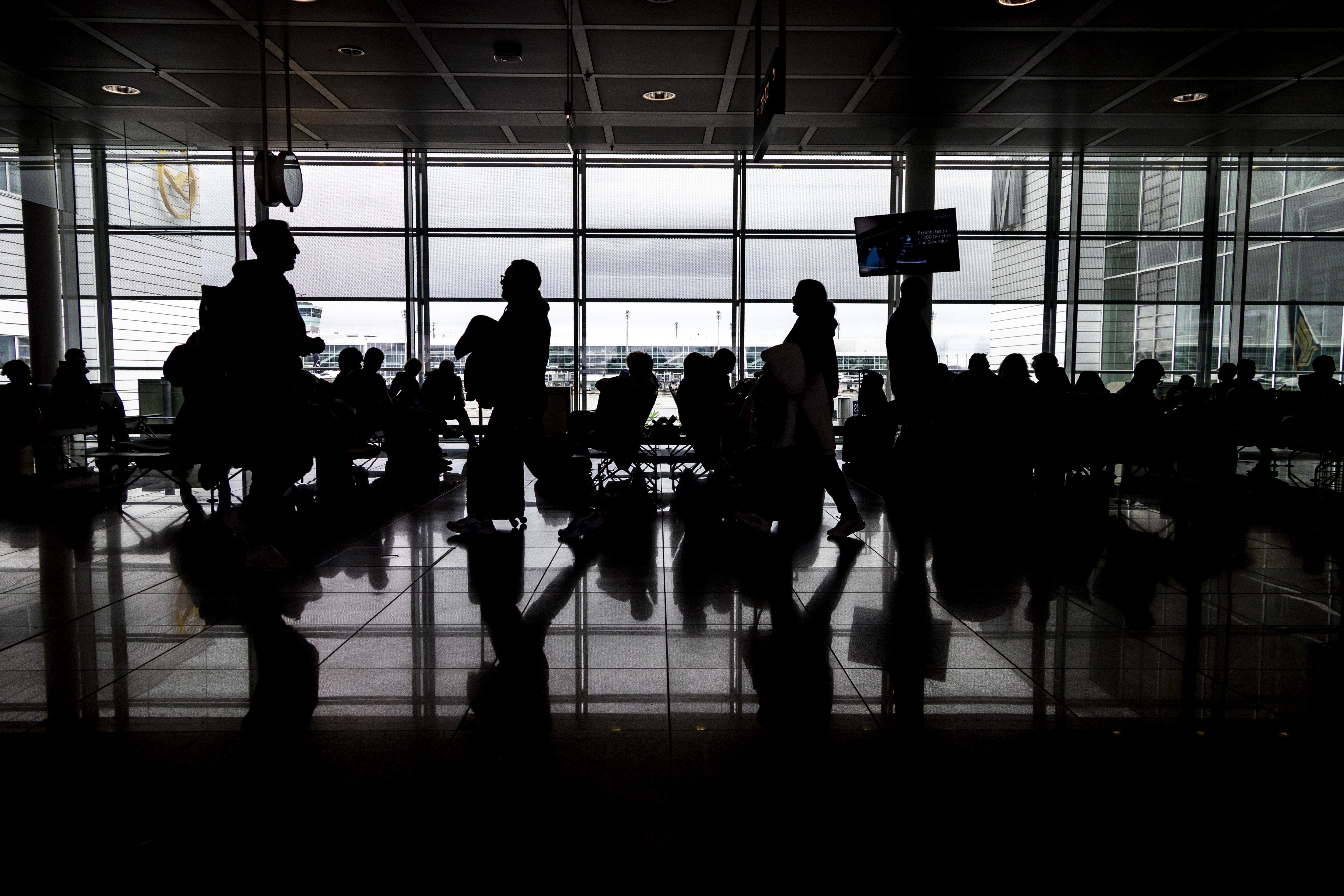
Russians are increasingly looking for ways to leave the country as mobile internet blackouts and economic instability worsen.
Data from Google Trends shows a significant rise in migration-related searches, reversing a downward trend that had been in place since early 2023, according to Verstka on March 19.
We bring you stories from the ground. Your support keeps our team in the field.
Following the mobilization in September 2022, interest in leaving Russia gradually declined. By February 2025, search volume for phrases like “how to leave Russia” had dropped significantly compared to the previous year. However, a new upward trend emerged late in 2025 and continued into early 2026.
By January of this year, interest in these searches rose sharply. Preliminary data for March shows search levels approaching previous record highs.
While Google reflects a major spike in interest, data from the Russian search engine Yandex shows a more gradual increase in similar queries over the same period.
Mobile internet shutdowns have been occurring across Russia since May 2025. Monitoring projects have recorded over 11,900 shutdowns nationwide over a seven-month period. By the end of 2025, Russia led the world in the number of internet blackouts, affecting approximately 146 million people.
Since the beginning of March, authorities have actively restricted mobile internet in Moscow. Connection is almost non-existent in the city center, while other districts often only allow access to government-approved websites.

The Kremlin justified the restrictions by stating that Ukraine uses “ever more sophisticated methods for attacks.” Presidential spokesperson Dmitry Peskov told Russians to prepare for “long-term outages.”
On February 20, Vladimir Putin signed a law requiring telecom operators to suspend services at the request of the FSB. Under this law, companies are not held responsible for failing to provide services to their customers during these periods.
Russia actively implemented a nationwide “white list” system that restricted internet access exclusively to government-approved websites, applications, and key communication nodes.
While authorities promised a transition without "severe problems," the rollout effectively paralyzed connectivity across 71 Russian regions. In Moscow, residents in central districts experienced total network failures or found their access restricted solely to permitted sites, costing the local economy billions of rubles in just a few days.
Discuss this article:
-4a56a6b482ec132402c16ef6fcabf9a2.png)