- Category
- War in Ukraine
UK, France Among NATO States Blocking Proposal to Boost Military Aid for Ukraine
 Prefer U24 Media on Google
- Authors


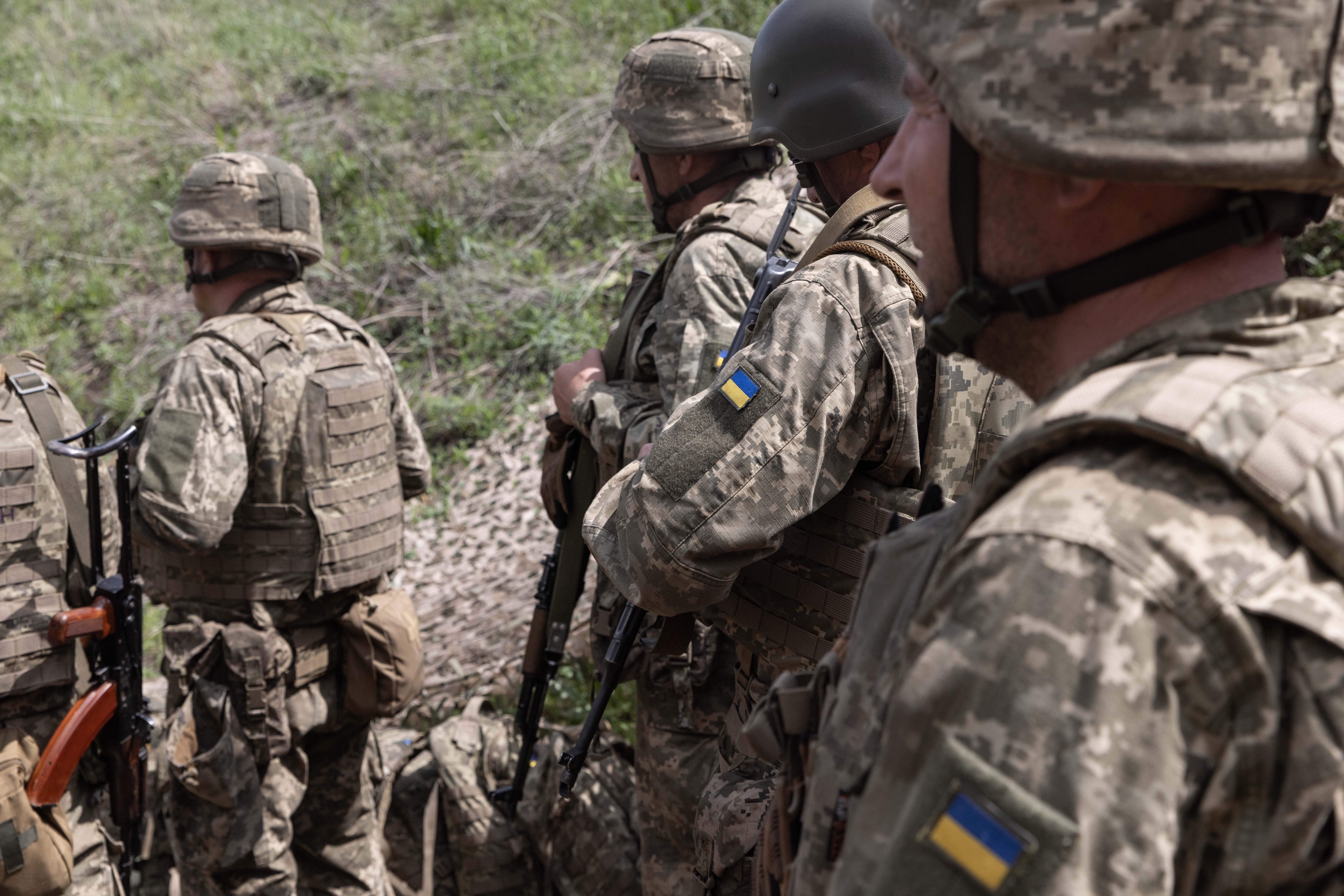
Several NATO member states, including the United Kingdom and France, have reportedly blocked a proposal by NATO Secretary General Mark Rutte aimed at significantly increasing military assistance to Ukraine, according to The Telegraph on May 24.
The initiative was expected to be discussed ahead of NATO’s annual summit in Ankara and reportedly sought to encourage alliance members to allocate at least 0.25% of their GDP annually toward military support for Ukraine.
We bring you stories from the ground. Your support keeps our team in the field.
According to the report, at least seven NATO countries that already meet or exceed that level backed the proposal. However, NATO decisions require unanimous approval, and the plan was reportedly blocked by five member states: the United Kingdom, France, Spain, Italy, and Canada.
The reported opposition is seen as particularly sensitive for London, which has consistently presented itself as one of Kyiv’s strongest international partners since the start of Russia’s full-scale invasion, according to The Telegraph.
The development comes amid growing scrutiny of the British government following its recent decision to temporarily ease restrictions on imports of certain fuel products derived from Russian oil processed in third countries.
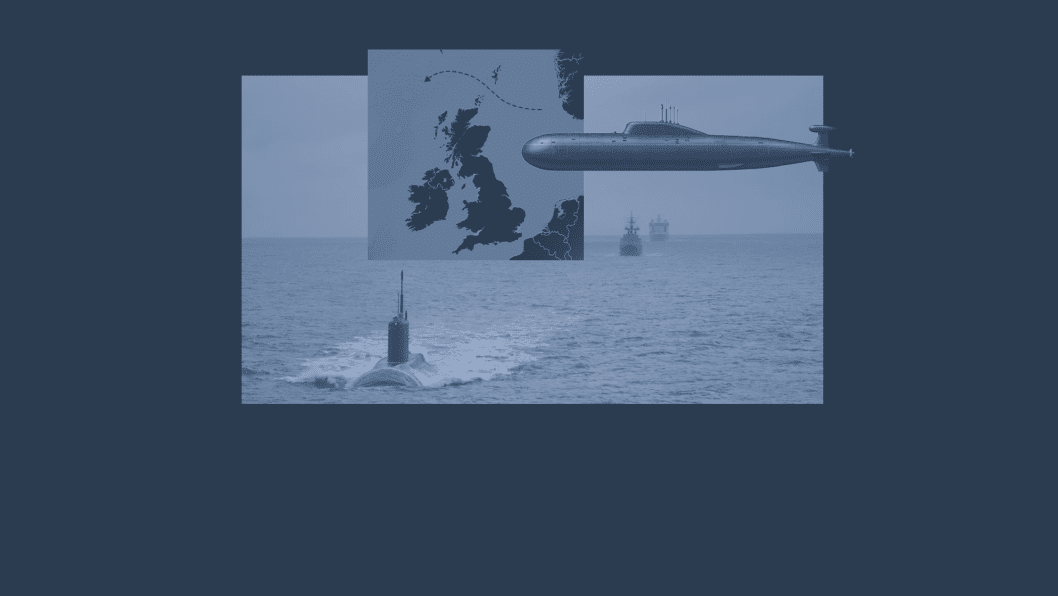
Britain currently provides approximately £3 billion (around $9 billion) in annual assistance to Ukraine, equivalent to roughly 0.1% of its GDP. While this places the UK among the largest contributors in absolute terms after the United States and Germany, it remains below the proposed NATO benchmark, the outlet notes.
Data cited from the Kiel Institute for the World Economy indicates that several countries, including the Netherlands, Poland, and multiple Nordic and Baltic states, already spend at or above the suggested 0.25% threshold on support for Ukraine.
At the same time, NATO allies continue intensifying preparations for a potential large-scale confrontation with Russia. On May 22, the British Armed Forces announced that several hundred military personnel from NATO countries, including the United States and the United Kingdom, had participated in the Arrcade Strike command-and-control exercise inside London’s abandoned Charing Cross underground station.
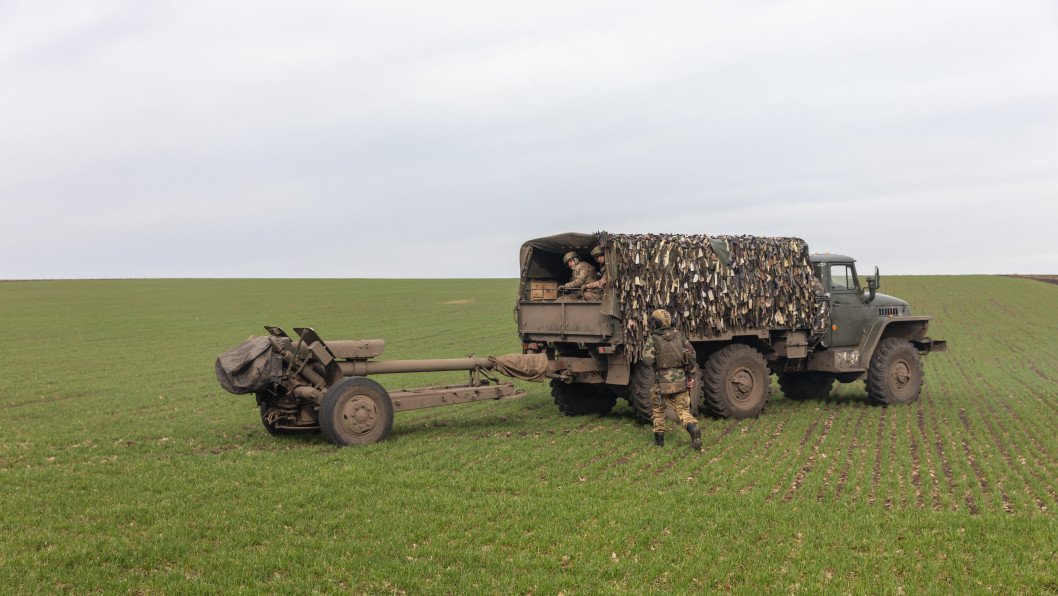
According to the British military, the exercise was designed to test the readiness of the Allied Rapid Reaction Corps to coordinate and conduct operations involving as many as 100,000 troops.
From the underground command center, military planners reportedly coordinated simulated operations across land, sea, air, cyber, and space domains.
The scenario envisioned a Russian invasion of Estonia in 2030, a period NATO planners reportedly assess as a potentially heightened threat window from Moscow. Under the exercise scenario, alliance members would invoke Article 5—NATO’s collective defense clause—following a simulated Russian incursion into Baltic territory.

On May 4, NATO began a large-scale series of military drills spanning the Baltic region and the Arctic, deploying tens of thousands of troops in coordinated exercises near Russia’s borders in what has become one of the alliance’s most significant training operations in recent years.
The maneuvers focused on rehearsing high-intensity conventional warfare scenarios, including rapid force mobilization, joint operational planning, and the deployment of reinforcements into ongoing combat situations.
Discuss this article:
-9a7b3a98ed5c506e0b77a6663f5727c5.png)





-c439b7bd9030ecf9d5a4287dc361ba31.jpg "Photo of Katherina Popilnichenko")