- Category
- World
Russia Is Redirecting Ukrainian Drones Into NATO Airspace. What Can be Done?

Russia now has a new strategy in its invasion of Ukraine and hybrid war against Europe: diverting Ukrainian drones into the Baltic region. These have not been mere accidents; this new threat must be recognized and addressed.
 Prefer U24 Media on Google
- Authors

-605be766de04ba3d21b67fb76a76786a.jpg "Joseph Place")
In 2026, multiple drones, originating in Ukraine, entered the airspace of the Baltic region and crashed. These were not mistakes on Ukraine’s part; however, Ukraine apologized to Estonia for such incidents.
Jets have been scrambled in response on several occasions, and on June 8, 2026, a French jet shot down a drone that had entered Latvian airspace from Russia. Latvian authorities claimed that it entered their airspace "as a result of Russian electromagnetic warfare.” We explain how and why Russia is using these technologies as a strategy in its hybrid war against Europe and also as a method to disrupt support for Ukraine.
How does Russia divert Ukrainian drones?
Russia uses GPS jamming and spoofing to disrupt the flight paths of Ukrainian drones with well-known technologies. With jamming, Russians set up high-powered radio signals on the same frequencies as GPS satellites, so the drone is lost and hard to navigate.
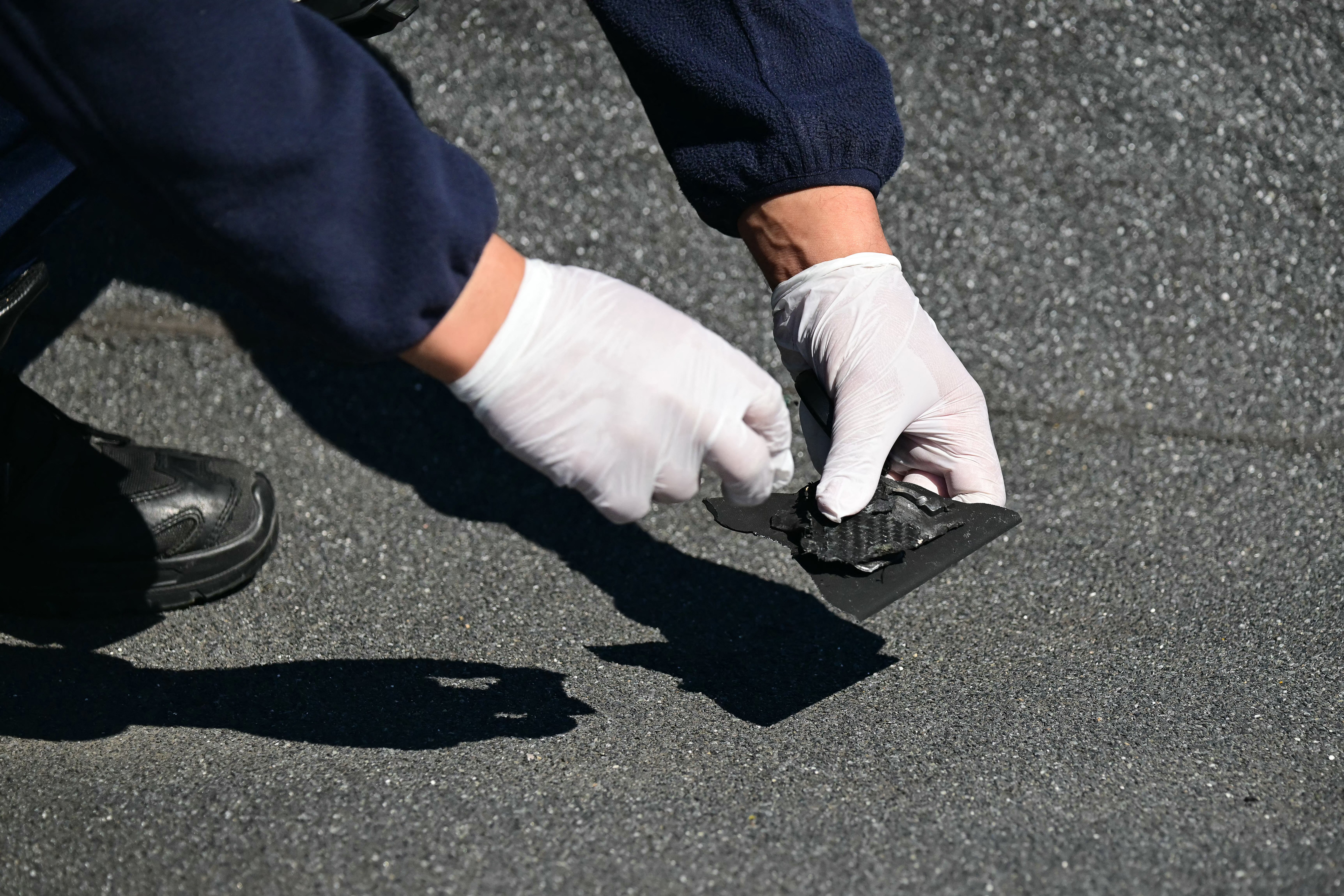
Spoofing means that the drones are given false coordinates, so the autopilot operates as if it is heading towards the intended destination, but is actually going elsewhere. As one paper puts it, “fake GPS signals are sent by the attackers, which mislead the UAV to accept incorrect coordinates, resulting in navigational failure, loss of control, or forced landing.” Russia uses systems such as Krasukha-4 and Borisoglebsk-2 to conduct electronic warfare, including spoofing.
We bring you stories from the ground. Your support keeps our team in the field.
Why are these drones entering the Baltic airspace?
The drones being disrupted are flying deep inside Russia. Ukraine’s drone warfare against Russia has evolved, and features deep strikes against Russian military and oil production facilities thousands of kilometers from Ukraine. This has involved strikes near St. Petersburg and the far north, and now Russia tries to divert these drones into Estonian, Latvian, Lithuanian, and Finnish airspace.
Russia has also spread propaganda that the Baltic states are permitting Ukraine to use their airspace for drone attacks, and also attempts to sow discord between these countries, which have been strong supporters of Ukraine in its fight against the Russian invasion.
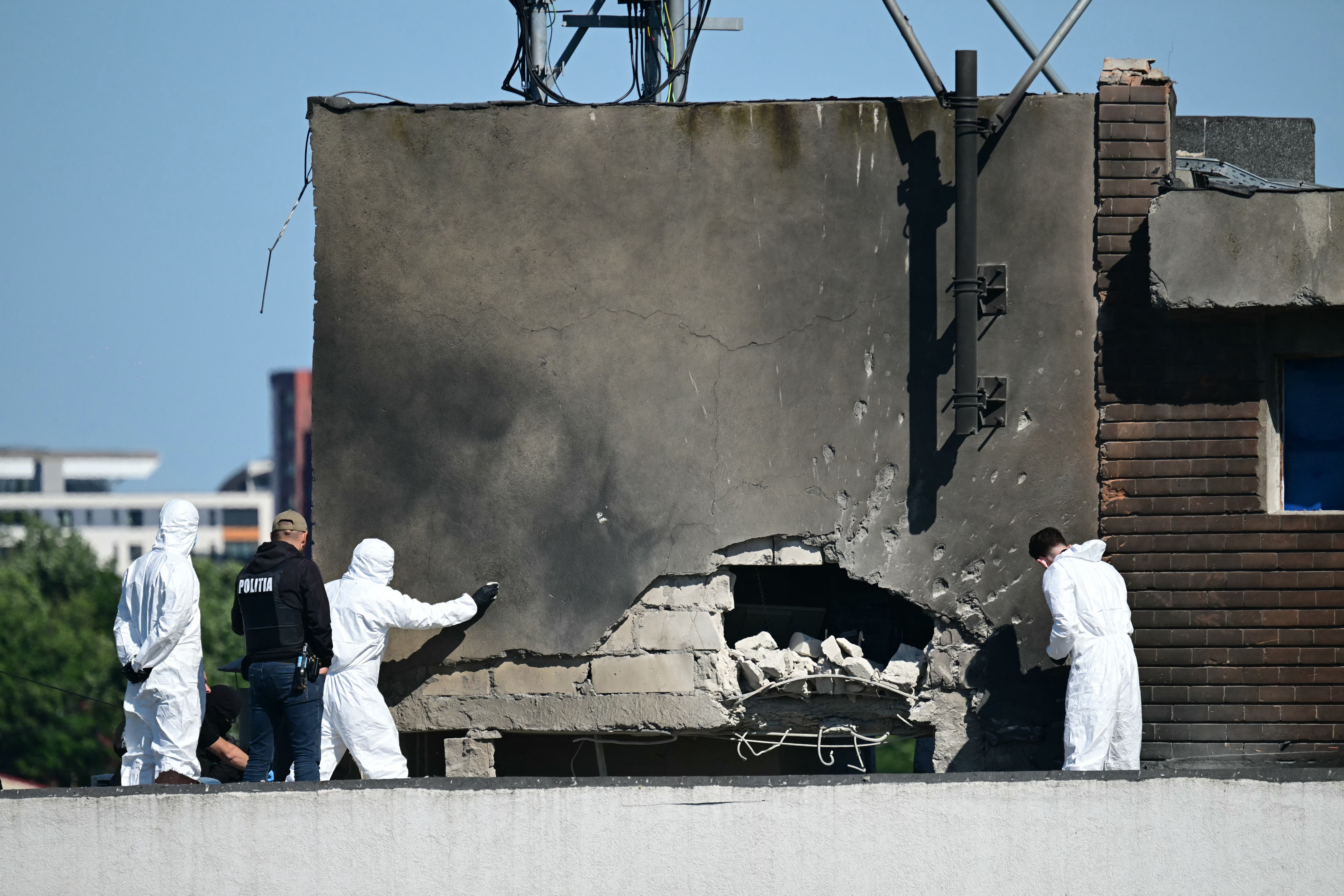
How did the Baltic countries respond to the incidents?
“Russia wants Baltic citizens to ask whether support for Ukraine is now bringing the war into their own skies,” senior fellow at the Atlantic Council, Justina Budginaite-Froehly, said, “It wants the publics of Latvia, Estonia, and Lithuania to lose confidence in their institutions.”
Lithuanian defense expert Colonel Vaidotas Malinionis told TVP World that Russia is trying “to create some kind of pressure on us and to make us feel uneasy.”
“Moscow is doing this deliberately, combining it with intensified propaganda,” said Ukrainian Foreign Ministry spokesman Heorhii Tykhyi. “We apologize to Estonia and all our Baltic friends for such unintentional incidents.”
Russia continues to redirect Ukrainian drones into the Baltics with the use of its electronic warfare. And Moscow does this on purpose, together with intensified propaganda.
— Heorhii Tykhyi (@SpoxUkraineMFA) May 19, 2026
We apologise to Estonia and all of our Baltic friends for such unintended incidents. We have been and… https://t.co/MBltV6ngg6
The three Baltic countries, Finland, and the Scandinavian countries all issued a joint statement dismissing Russian claims.
“We, the NB8 Foreign Ministers, categorically reject Russia’s blatant disinformation campaign and its fabricated accusations following the airspace violations, which Russia shamelessly uses to mask its military failures. Our territory and airspace have never been used for attacks against targets in Russia. Incidents involving drones entering NAT airspace are a direct consequence of Russia’s illegal war of aggression against Ukraine.”
The Baltic countries have emphasized that they blame Russia and stand with Ukraine. "These incidents are the direct result of Russia's war and provocations,” Estonia's Foreign Minister Margus Tsahkna said. “Estonia is strengthening cooperation with Ukraine to enhance our air defence and counter-drone capabilities.” The EU, Germany, and NATO have issued similar statements.
How to stop the drone incursions into the Baltic region
Part of stopping Russia from drone incursions into European countries is increasing general readiness for drone attacks and not having to rely on the expensive use of jets.
“The Baltic nations should lead on detection,” said Budginaite-Froehly. “Layered regional air defenses, integrated radars, passive sensors, acoustic detection, border surveillance, electronic warfare indicators, and intelligence feeds should be developed and installed. The goal is to reliably detect and swiftly identify approaching unmanned aerial vehicles.” The region needs to develop cost-effective drone engagement algorithms, she said.
But improving detection is only part of the solution.
Long-range drone strikes allow Ukraine to target military infrastructure deep inside Russia while limiting risks to personnel. It strengthens European defense and helps degrade the resources Moscow uses to wage war, from disrupting oil revenue, a major lifeline for the Russian economy, to spreading discontent as the financial costs and instability affect more and more Russians. As drone technology continues to evolve, closer cooperation between Ukraine and its European partners can improve resilience against electronic warfare and reduce the risk of future incursions into neighboring airspace.
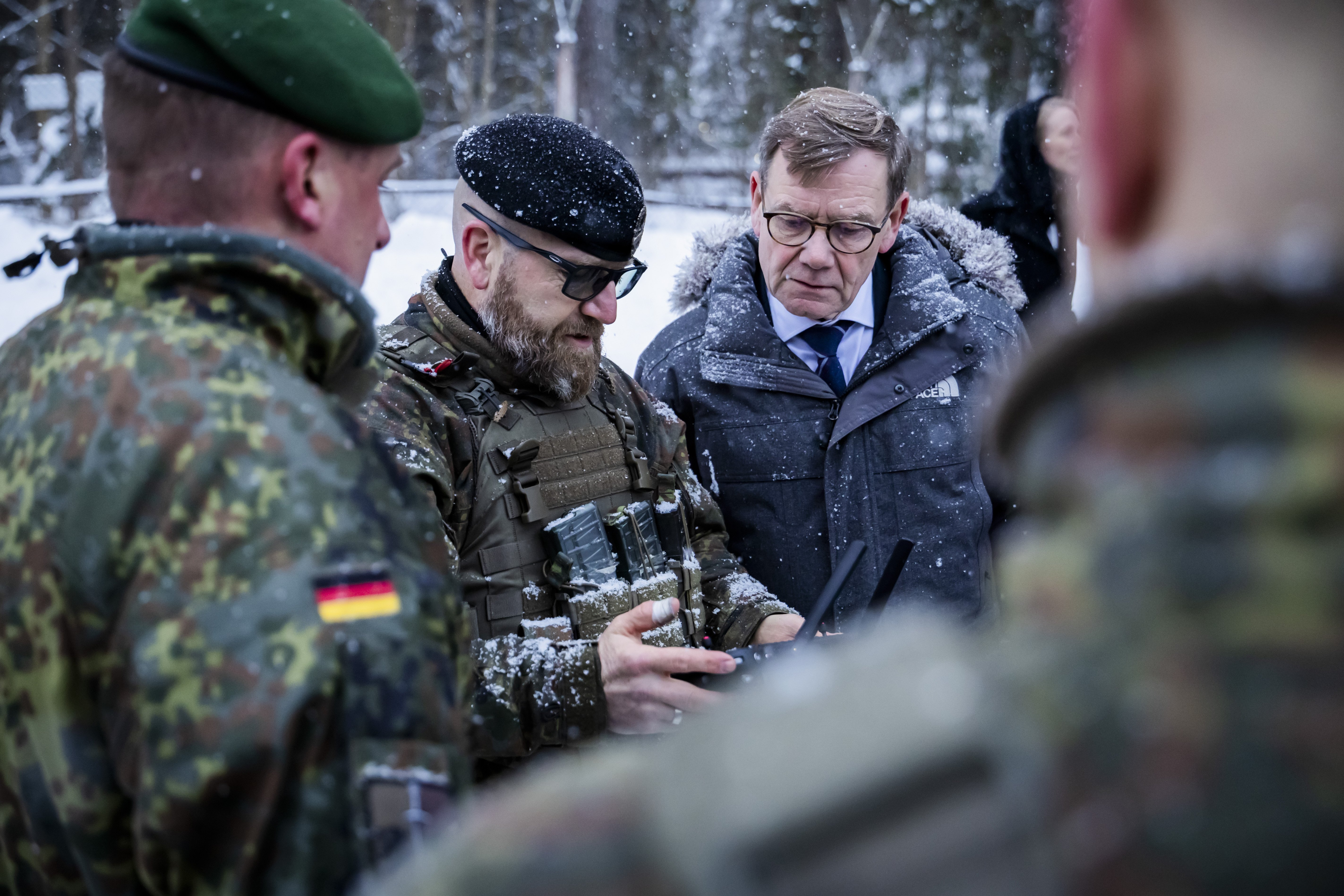
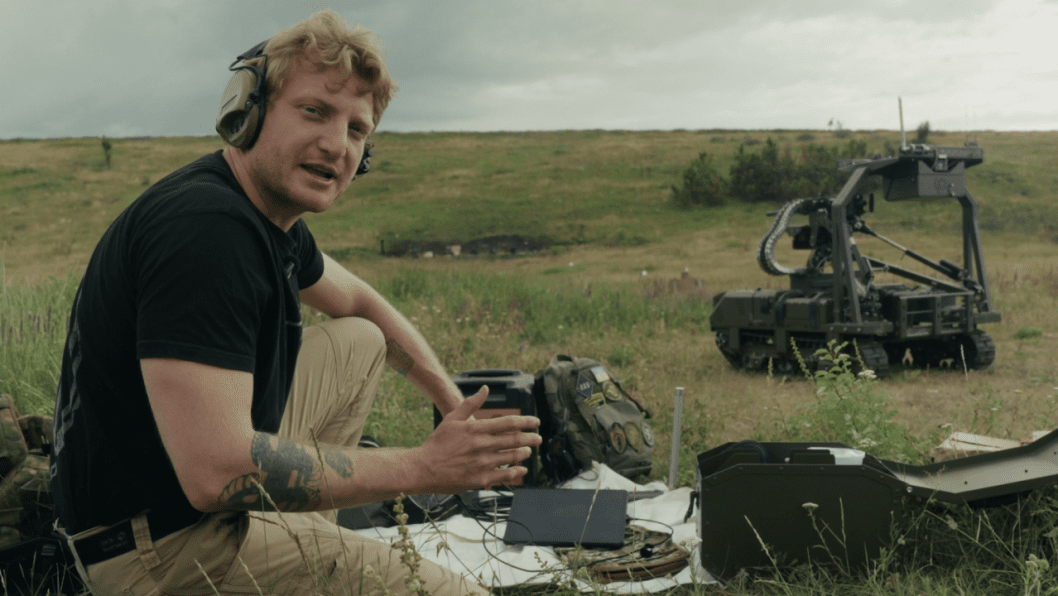
European countries can benefit from Ukraine’s experience operating drones in heavily jammed and spoofed environments. Ukraine is already sharing its expertise in drone warfare and counter-drone technologies with partners across Europe, including Latvia, while also pursuing joint drone initiatives with countries such as Germany and the Netherlands. Expanding those efforts would help European countries better understand and respond to the challenges posed by drone warfare while accelerating the development of more resilient technologies.
Discuss this article:

-1a53a90a73ce3e7127f5eef46d0c6c71.webp "The Russian cargo ship Sabetta, previously known as BBC Mississippi. (Source: ShipSpotting.com)")

-29a1a43aba23f9bb779a1ac8b98d2121.jpeg "Photo of Illia Kabachynskyi")
-72b63a4e0c8c475ad81fe3eed3f63729.jpeg "Photo of Cyril Barabaltchouk")