- Category
- World
Russian Baltic Port Oil Shipments Fall 31% After Targeted Ukrainian Strikes
 Prefer U24 Media on Google
- Authors

-72b63a4e0c8c475ad81fe3eed3f63729.jpeg "Photo of Cyril Barabaltchouk")
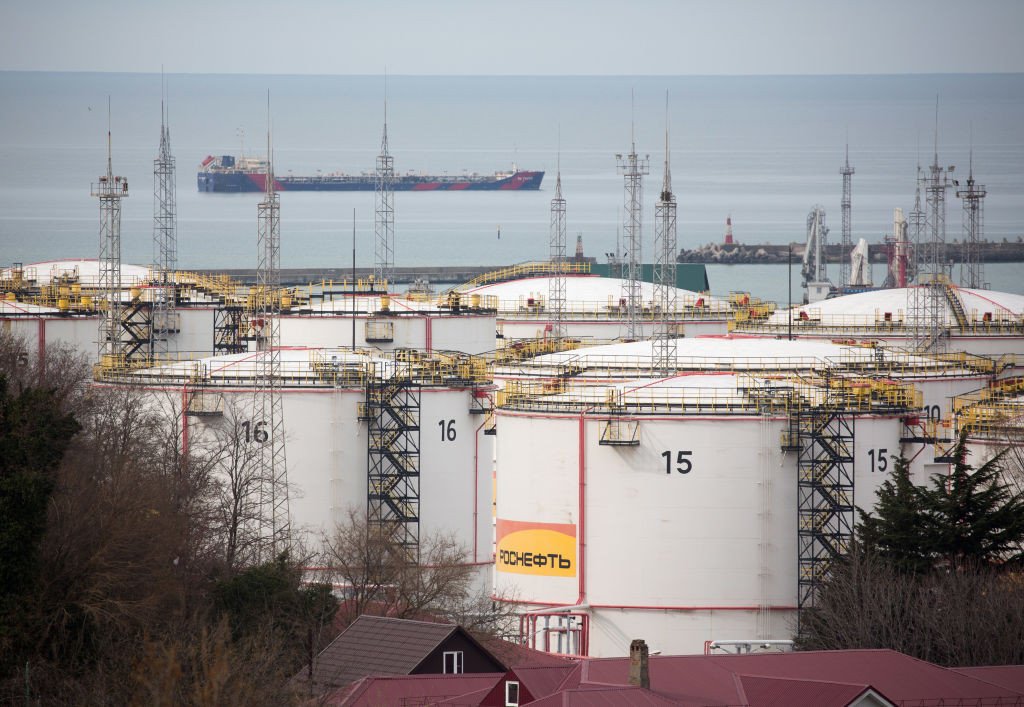
Russia’s seaborne oil product exports fell by 9.8% month-on-month in April, dropping to 7.77 million metric tons. This follows a series of targeted Ukrainian drone strikes on major ports and refineries, Reuters reported on May 15, citing industry data.
Compared to the same period last year, total seaborne fuel exports declined by 17%. The April loadings mark the lowest export level since November 2025, when drone attacks forced the Black Sea ports of Tuapse and Novorossiysk to temporarily halt fuel shipments.
We bring you stories from the ground. Your support keeps our team in the field.
The export reduction highlights the material impact of Kyiv’s intensified campaign to disrupt the primary revenue stream financing Moscow’s military operations. According to Reuters, Ukrainian drone strikes forced approximately 700,000 barrels per day of Russian crude processing capacity offline between January and May.
The Baltic region absorbed the heaviest logistical impact last month. Late March drone strikes on the Baltic ports of Primorsk and Ust-Luga caused fires at fuel storage tanks, temporarily halting terminal operations. Consequently, April oil product exports from Russia’s Baltic ports—which also include Vysotsk and St. Petersburg—dropped by 31.4% from the previous month to 3.32 million tons.
In response to the Baltic disruptions, traders partially rerouted fuel flows to alternative terminals. Export loadings via the Black Sea and Azov Sea ports rose by 20.3% in April, reaching 3.65 million tons, Reuters wrote.
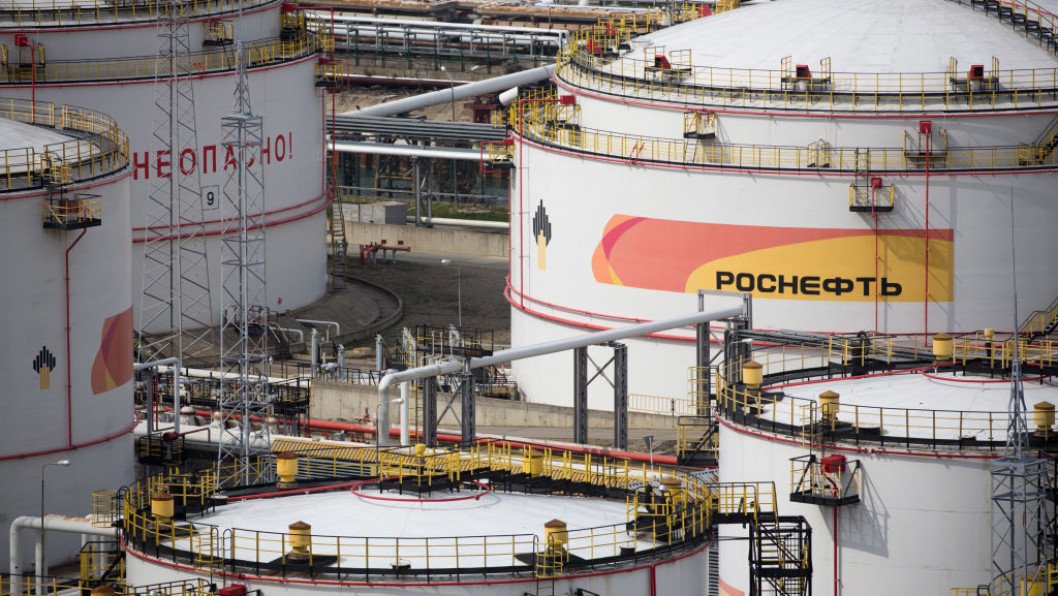
Similar compensatory increases were recorded across Russia’s other operational maritime routes. Oil product exports from the Arctic ports of Murmansk and Arkhangelsk rose to 104,300 tons in April, up from 80,100 tons in March. Meanwhile, fuel export loadings at Russia’s Far East ports increased by 5.6% month-on-month, totaling 698,000 tons.
The decline in seaborne fuel exports aligns with a decrease in Russia’s overall oil extraction. The Russian Ministry of Economic Development had recently projected that national oil production would fall for the fourth consecutive year in 2026 to 511 million tons, the lowest volume since 2009.
While recent export disruptions stem from logistical bottlenecks at damaged ports, the long-term extraction decline is tied to the financial constraints of Russian oil companies. Facing sanctions, lower profits, and the added capital costs of repairing drone-damaged refineries, energy firms have reduced drilling operations to a three-year low, indicating a sustained contraction in the sector.
Discuss this article:
-9a7b3a98ed5c506e0b77a6663f5727c5.png)


-c439b7bd9030ecf9d5a4287dc361ba31.jpg "Photo of Katherina Popilnichenko")



-111f0e5095e02c02446ffed57bfb0ab1.jpeg "Photo of Roman Kohanets")