- Category
- World
Sevastopol Supermarkets Cap Essential Food Purchases as Logistics Crisis Deepens
 Prefer U24 Media on Google
- Authors

-c439b7bd9030ecf9d5a4287dc361ba31.jpg "Photo of Katherina Popilnichenko")
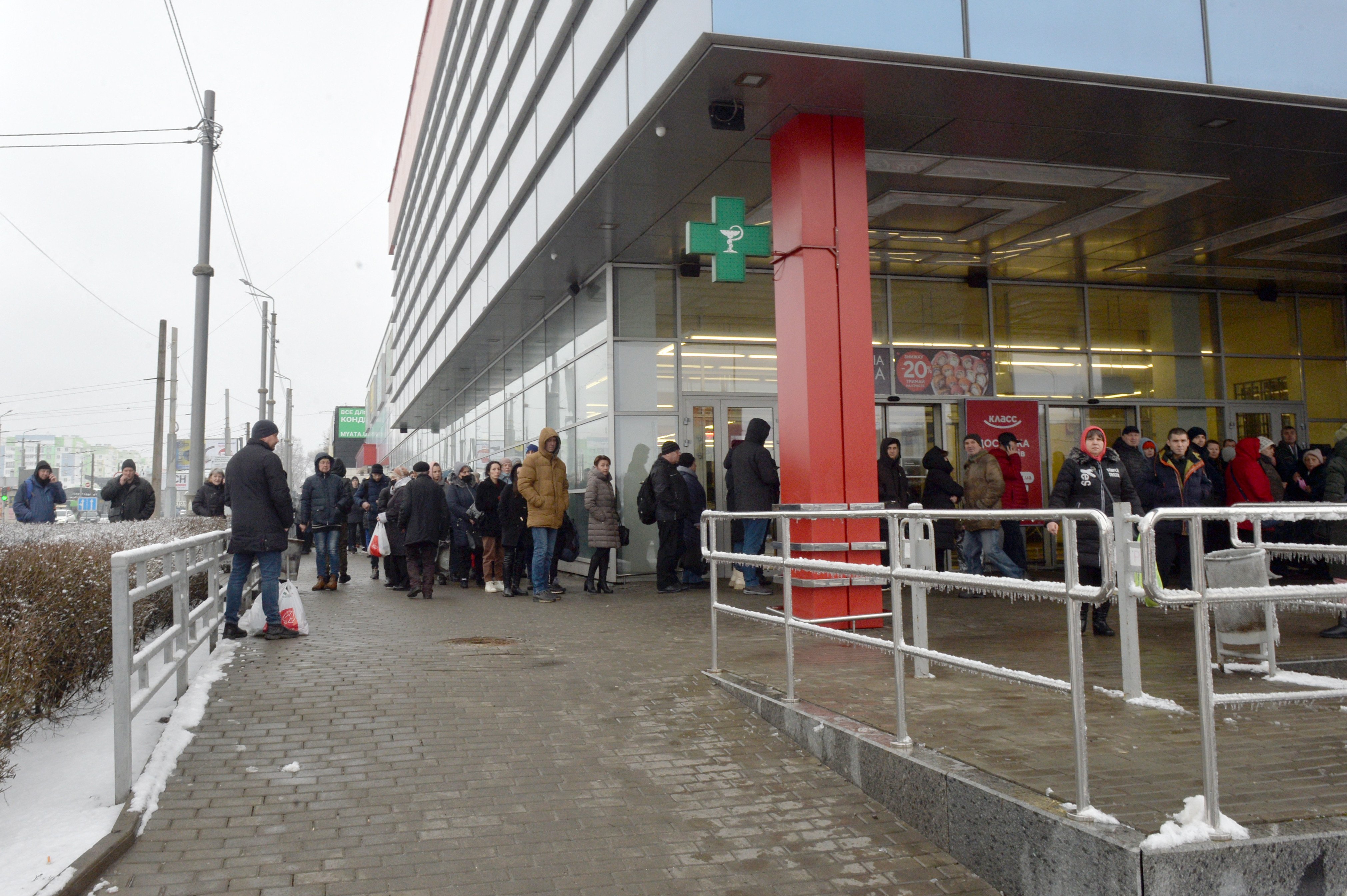
Residents in temporary occupied Sevastopol are facing new challenges as local retailers begin capping purchases of essential goods.
Recent reports show that some supermarkets are limiting customers to just three bottles of cooking oil and three packages of pasta per person. This shift follows weeks of deepening logistical disruptions throughout the Crimean Peninsula, which have already crippled the local fuel market, according to The Moscow Times on June 5.
We bring you stories from the ground. Your support keeps our team in the field.
The strain on supplies began in late May, when authorities introduced a 20-liter purchase limit on gasoline and implemented a coupon system for diesel. These measures were compounded by reports of widespread shortages of AI-92 and AI-95 fuel grades.
The supply issues stem from intensified efforts by Ukraine to degrade Russian logistics, including strikes on oil refineries and attacks on transport routes, such as the R-280 "Novorossiya" highway, that serve as vital supply lines during Russia’s full-scale invasion of Ukraine.
By early June, the situation intensified further when the local administration announced an end to the open sale of fuel at major gas station chains.
Supplies are now reserved exclusively for emergency and rescue services, with motorists restricted to limited volumes obtained only through pre-purchased vouchers. Officials have deployed personnel to monitor pumps and record vehicle license plates to enforce these strict allocations.
Local residents describe a return to a Soviet-style distribution economy, noting that basic resources have become increasingly difficult to secure.
"When they announced the vouchers, many perceived it as a joke. It seemed like something that could have happened back in the nineties or in the Soviet Union, but not now. And now we have actually returned to a system of distribution. If gasoline is available, it is not so simple to get," said Sevastopol resident Mikhail.
The crisis has expanded beyond Sevastopol, with similar restrictions appearing across the rest of the peninsula. As of May 31, authorities in other parts of Crimea implemented their own caps, including bans on filling portable canisters. By June 4, cash sales for fuel were entirely halted in the region.
The economic impact is reverberating through the local tourism and retail sectors. With visitors unable to secure fuel for their return journeys and transport costs for goods rising, the shortage is beginning to affect everyday life.
"When we talk about the deficit of fuel, the question is not only about those who drive cars. Prices for food, products, and services are rising here. And it is very strongly affecting all processes in Crimea," noted Eskender Bariiev, head of the board of the Crimean Tatar Resource Center.
Discuss this article:
-9a7b3a98ed5c506e0b77a6663f5727c5.png)


-206008aed5f329e86c52788e3e423f23.jpg "Photo of Oleksandr Moiseienko")