- Category
- World
EU Weighs Sanctions on Chinese Companies Accused of Backing Russia’s War Machine
 Prefer U24 Media on Google
- Authors

-111f0e5095e02c02446ffed57bfb0ab1.jpeg "Photo of Roman Kohanets")
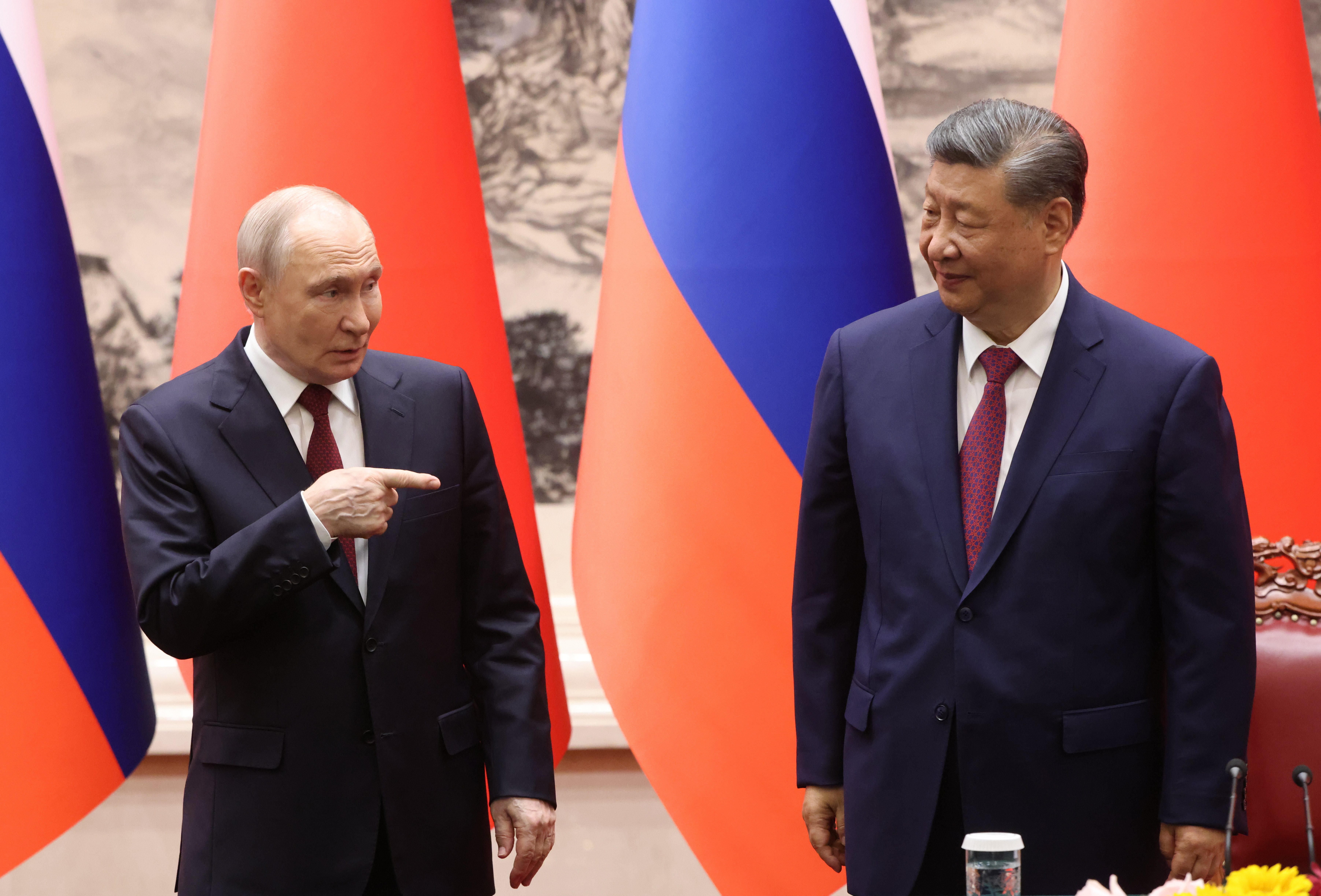
The EU's diplomatic service is pushing to sanction four Chinese companies it accuses of supporting Russia's war against Ukraine, according to internal documents reviewed by POLITICO on June 3.
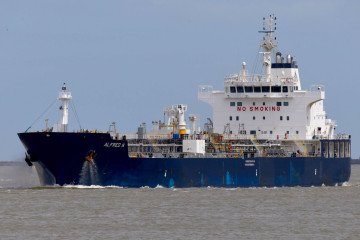
The firms are likely to appear in the bloc's next sanctions package, due for approval at next week's meeting of EU foreign ministers. Officials described the companies as assisting Russia's shadow fleet, supplying chemicals for its military, and delivering components Moscow uses to build attack drones.
We bring you stories from the ground. Your support keeps our team in the field.
The proposal, contained in a document dated May 21, feeds into a "mini-package" that two EU officials indicated would be adopted at a foreign ministers' gathering in Luxembourg on June 15.
That round carries individual listings while the bloc prepares a broader 21st sanctions package, expected later in the summer with a wider sectoral approach. Any measures must be approved unanimously by all 27 member states.
Beyond the four Chinese firms, the document targets additional entities accused of facilitating Russian shipping and energy sales:
Five firms based in the United Arab Emirates;
Three based in Turkey;
One based in Azerbaijan.
It also proposes listing subsidiaries of the Russian company Lukoil, alongside dozens of individuals and firms described as supporting Moscow's war machine. Officials framed the listings as part of a "rolling" approach, adding or removing entities as Russia adapts its tactics to evade restrictions. The report noted that the firms' names were withheld from publication.
-69d03af11a3e9f45431b68b50d18e51c.png)
The move risks deepening tensions between Brussels and Beijing, as European Commission President Ursula von der Leyen courts EU capitals for a crackdown on subsidized Chinese imports.
The bloc has listed Chinese firms in earlier rounds, and the new proposals show it pressing ahead with targeting Russia's enablers despite Beijing warning of "consequences" over the 20th sanctions package.
Those frictions were set to surface on Tuesday, when Trade Commissioner Maroš Šefčovič met Chinese trade envoy Li Chenggang on the sidelines of an OECD ministerial meeting in Paris, Commission spokesperson Olof Gill confirmed.
EU members are still debating the contents of the 21st package. A central proposal would lock in the current price cap on Russian oil purchases, which is set to expire in July; without renewal, the cap would automatically rise as global energy prices climb. Several countries want to keep the current level to deny Moscow additional revenue.
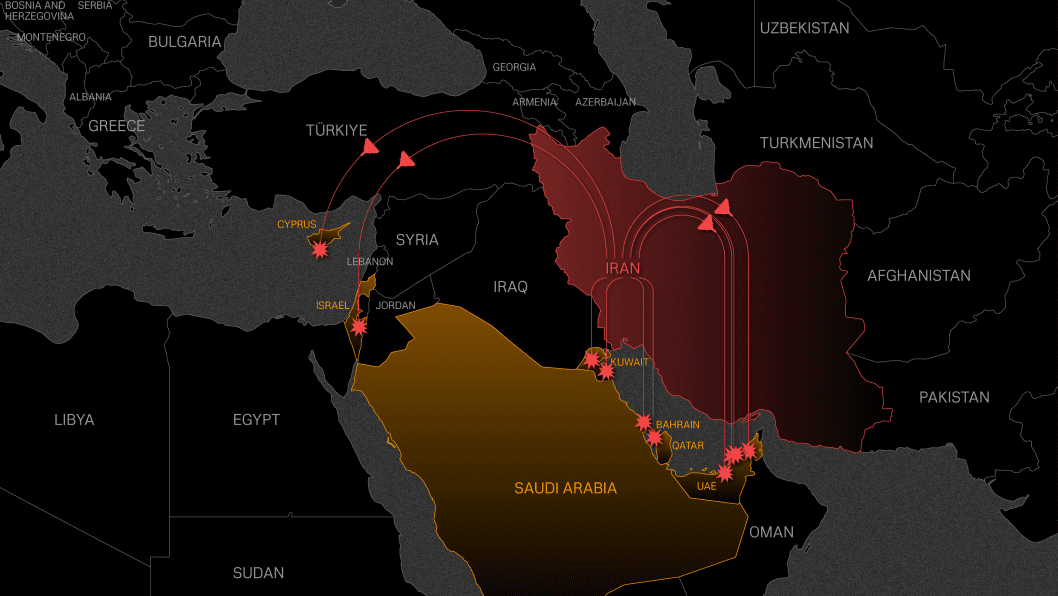
A bloc of Nordic and Baltic states is pressing for tougher measures against Russian energy giants, including Lukoil, Gazprom, Novatek, and Rosneft, and has urged an end to all contracts with Russia's nuclear industry.
The European Commission declined to discuss specifics of the coming package. It noted that, as with earlier rounds, its aim is to intensify economic pressure on Moscow, including "new measures to tackle circumvention."
The flow of Chinese components into Russia's drone production has been a persistent gap in Western sanctions. Smaller, lesser-known Chinese suppliers have kept shipping dual-use parts—engines, batteries, microchips, and fiber-optic cables—used in Shahed-type attack drones, with some openly advertising products that reference drone applications.
Beijing's role as a backstop for Moscow's war economy has widened as other supply routes have closed. More than 90% of the sanctioned technology Russia obtains now passes through China, up from roughly 80% a year earlier, even as many EU governments have hesitated to impose harsher penalties on Chinese firms for fear of economic retaliation.
Discuss this article:
-4a56a6b482ec132402c16ef6fcabf9a2.png)