- Category
- Latest news
EU Approves 19th Sanctions Package on Russia—Here`s What We Know
 Prefer U24 Media on Google
- Authors


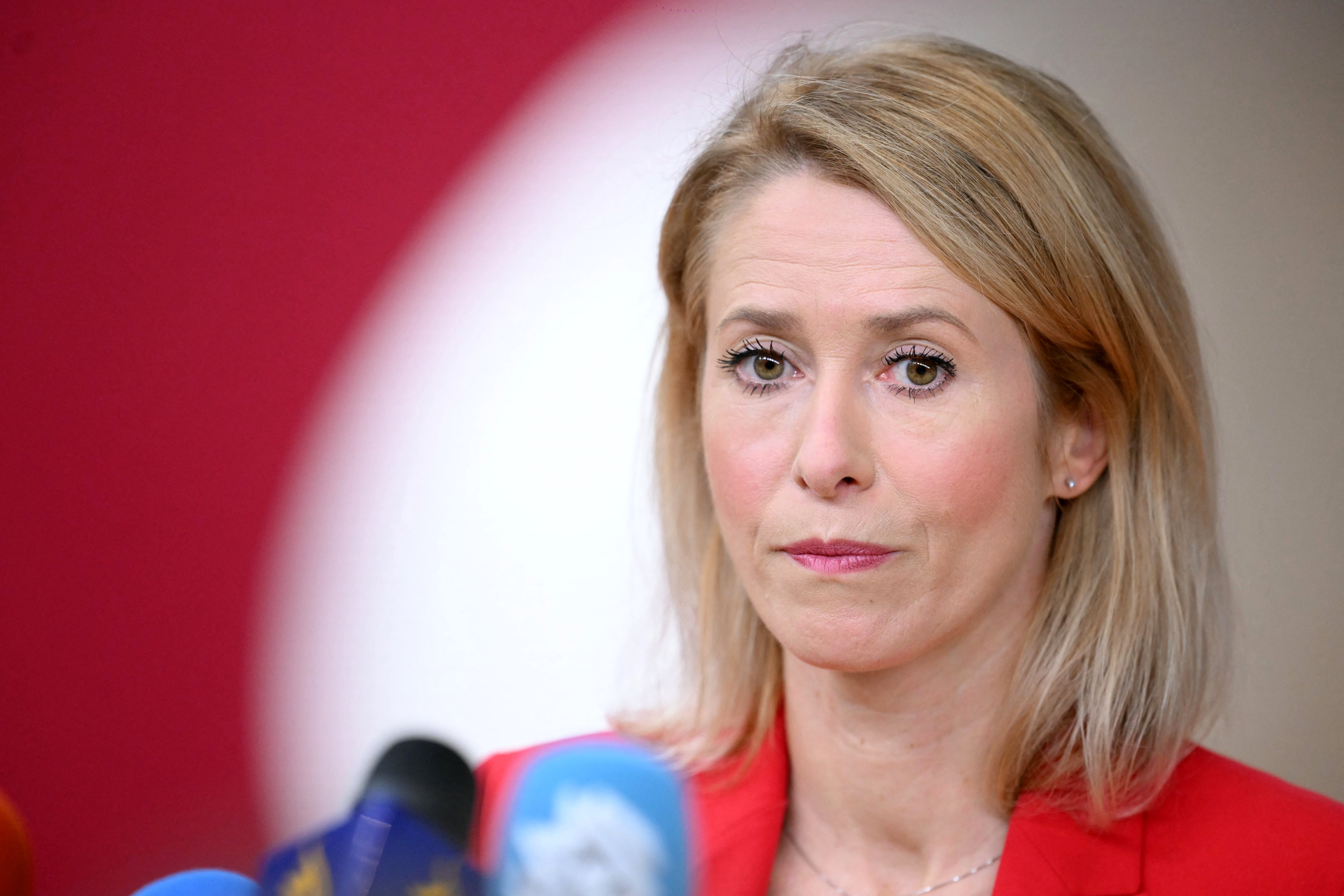
The European Union has just approved its 19th package of sanctions targeting Russia over its full-scale invasion of Ukraine.
The news was confirmed by Kaja Kallas, the EU High Representative for Foreign Affairs and Security Policy via X on October 23.
“We just adopted our 19th package of sanctions package,” she wrote.
This new round of restrictive measures aims to further degrade the Kremlin's ability to fund its war. The sanctions specifically target major Russian banks, cryptocurrency exchanges, and companies operating in countries like India and China that are believed to be aiding Moscow.
We just adopted our 19th sanctions package.
— Kaja Kallas (@kajakallas) October 23, 2025
It targets Russian banks, crypto exchanges, entities in India and China, among others.
The EU is curbing Russian diplomats’ movements to counter the attempts of destabilisation.
It is increasingly harder for Putin to fund this war.
Crucially, the EU is also restricting the movement of Russian diplomats across the bloc to actively combat Russia’s attempts at internal destabilisation.
“It is increasingly harder for Putin to fund this war,” she concluded.
The European Commission unveiled its 19th package of sanctions, aiming to intensify economic pressure on Russia for its aggression against Ukraine on September 19.
European Commission President Ursula von der Leyen, presenting the key provisions stated that the new restrictions target sectors critical to Moscow, ranging from financial schemes and energy to its so-called “shadow fleet.”
Among the principal new measures are rigorous actions directed at Russia's energy sector. The European Union is enacting a comprehensive prohibition on all commercial transactions with Rosneft and Gazpromneft, a move designed to substantially impede their continued presence and operational viability in global markets.
Concurrently, targeted limitations have been imposed on 118 maritime vessels identified as components of Russia's shadow fleet, which is utilized for evading established oil sanctions.
For the first time, these restrictive measures are being applied to cryptocurrency platforms, introducing a ban on transactions involving crypto-assets, as confirmed by President von der Leyen.
Additionally, foreign financial institutions employing Russian alternative payment mechanisms to facilitate the bypassing of financial prohibitions have been placed on the restricted list. Commercial transactions with entities situated within special economic zones are also now subject to stringent limitations.
The sanctions package notably broadens the existing prohibition on the export of goods and technologies that possess direct battlefield utility, specifically encompassing components relevant to drone systems.
“We are also adding 45 companies in Russia and third countries that directly or indirectly support the Russian military-industrial complex. In a war that depends on innovation, cutting Russia off from critical technologies is vital—especially when it comes to drones,” von der Leyen added.
Regarding energy sector constraints, the EU is proceeding with measures to block the importation of Russian liquefied natural gas into European markets. Simultaneously, the price cap applicable to Russian crude oil has been reduced to $47.60 per barrel.
Following the adoption of this package, the cumulative count of vessels officially blacklisted by the EU now surpasses 560. Sanctions are also being levied against refineries, energy trading houses, and petrochemical enterprises located in third countries, including China.
Earlier, Ursula von der Leyen, reaffirmed that the European Union remains committed to eliminating its reliance on Russian fossil fuels by the year 2027.
This reiteration underscores the continuity of the strategic objective initially established under the REPowerEU initiative.
Discuss this article:

-c439b7bd9030ecf9d5a4287dc361ba31.jpg "Photo of Katherina Popilnichenko")