- Category
- Latest news
EU Parliament Pushes Legal Routes to Seize Russian Assets Frozen Under Sanctions
 Prefer U24 Media on Google
- Authors

-72b63a4e0c8c475ad81fe3eed3f63729.jpeg "Photo of Cyril Barabaltchouk")
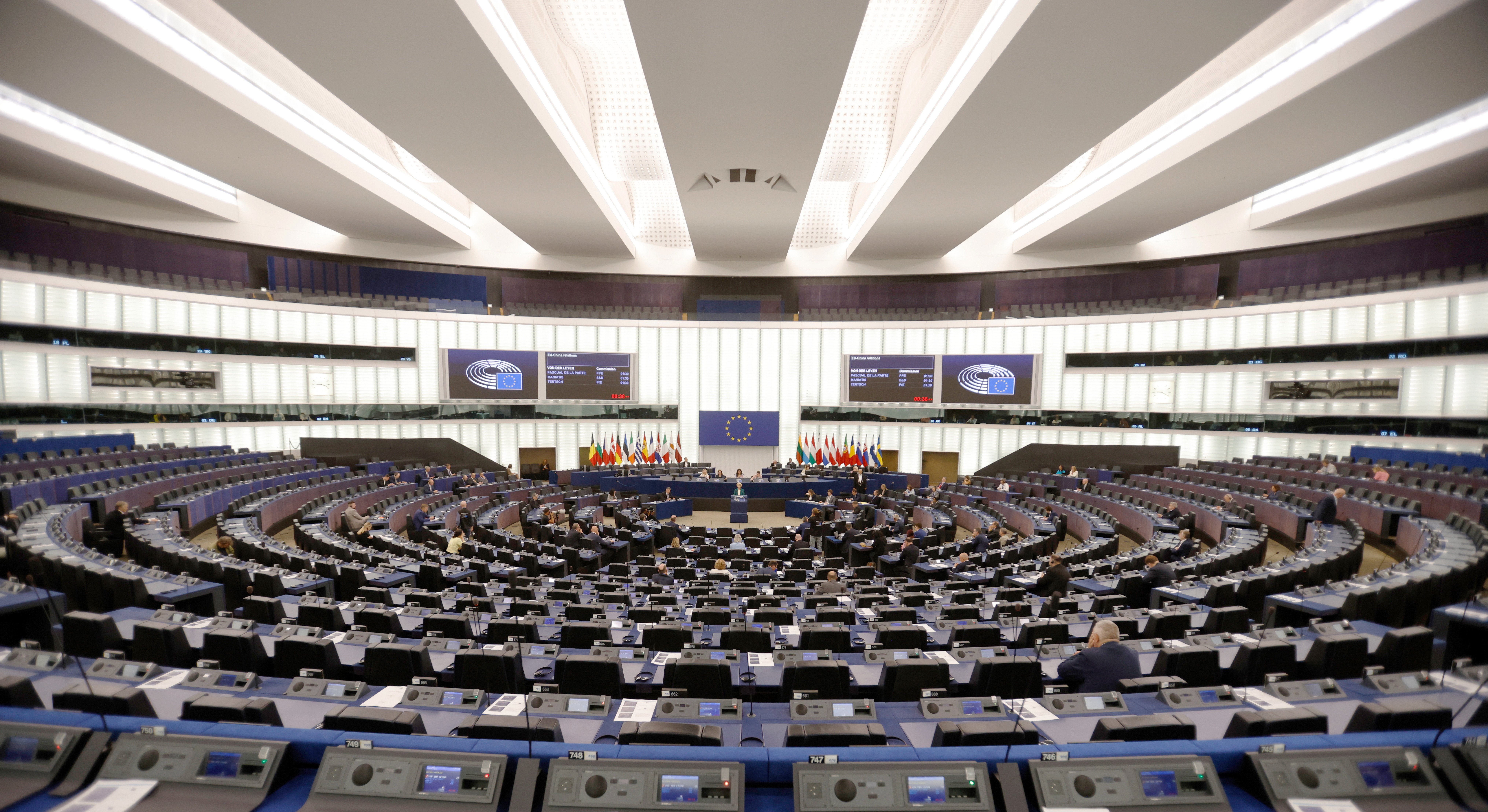
The European Parliament has urged EU member states to confiscate frozen Russian state assets and redirect the funds toward Ukraine’s defense and reconstruction, amid intensifying calls to hold Russia financially accountable for the consequences of its full-scale invasion in a resolution adopted on July 9
The resolution is titled “On the Human Losses Resulting From Russia’s War of Aggression Against Ukraine and the Urgent Need to End the Russian Aggression: The Situation of Illegally Detained Civilians and Prisoners of War and Ongoing Bombardments of the Civilian Population.”
It underlines that Russia must compensate for the massive damage inflicted on Ukraine. It calls for the confiscation of Russian state assets frozen under EU sanctions or by other legal means and stresses that these assets should be used “to support Ukraine’s defense and reconstruction.”
“Parliament reiterates its belief that Russia must be held accountable and pay reparations for the destruction it has caused in Ukraine,” the resolution states. “Therefore, it calls for the confiscation of Russian state assets frozen as part of EU sanctions or otherwise, to support Ukraine’s defense and post-war recovery.”
The document also notes that “various legal pathways exist” to achieve this confiscation and warns that inaction would be “an unacceptable error on the part of European governments.”
The European Parliament's move comes as EU institutions continue to debate how best to legally unlock the estimated €200 billion in frozen Russian central bank assets held across Europe.
Many EU governments have so far been cautious, citing legal and financial risks, but momentum is building for more assertive action.
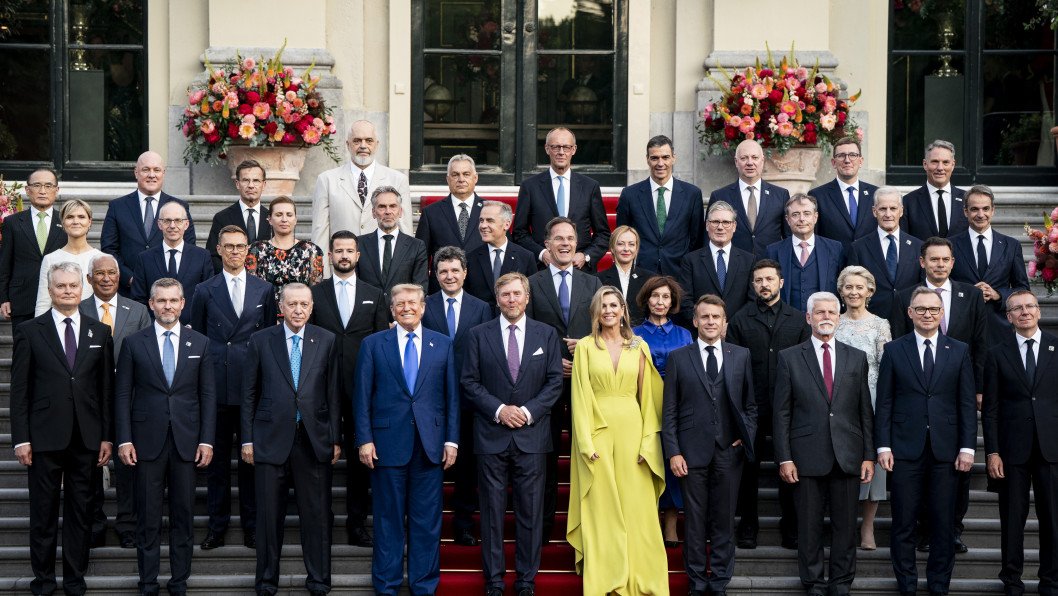
In parallel, Brussels is urgently searching for ways to fill Ukraine’s projected 2025 budget shortfall—estimated at up to $19 billion. One option under discussion is the partial use of immobilized Russian assets to help close that gap.
Ukrainian officials have consistently called on partners to act. Deputy Foreign Minister Andriy Sybiha recently reiterated Ukraine’s appeal to use Russian assets not just for post-war recovery but also to fund immediate defense needs, including weapons purchases.
In 2024, the Group of Seven (G7) countries agreed on a $50 billion loan package for Ukraine, to be financed using profits generated from frozen Russian assets. The funds are formally structured as a loan, but repayments are expected to be covered by interest income from the frozen reserves. The EU is expected to contribute €18.1 billion to that mechanism.
While the European Parliament’s resolution is non-binding, it sends a clear political message and increases pressure on EU leaders to act ahead of critical budget and security discussions later this year.
Earlier, the European Court of Human Rights ruled Russia guilty of widespread human rights violations in Ukraine
Discuss this article:



-c439b7bd9030ecf9d5a4287dc361ba31.jpg "Photo of Katherina Popilnichenko")


