- Category
- World
Putin Promised Stability and Growth In Exchange for Power. Now Russia Has Neither
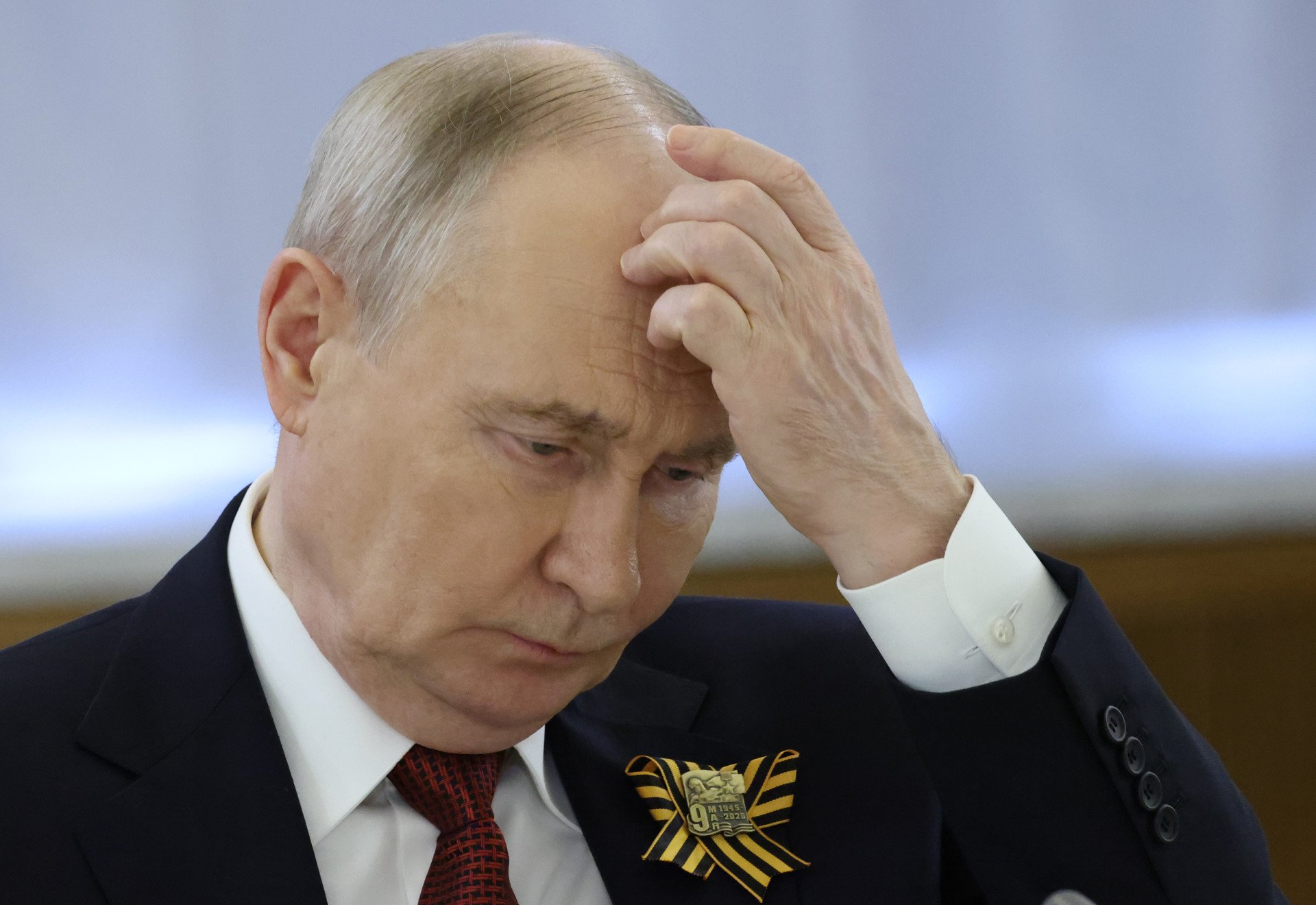
The deal that sustained Vladimir Putin’s rule in Russia for more than two decades is breaking apart.
 Prefer U24 Media on Google
- Authors

-605be766de04ba3d21b67fb76a76786a.jpg "Joseph Place")
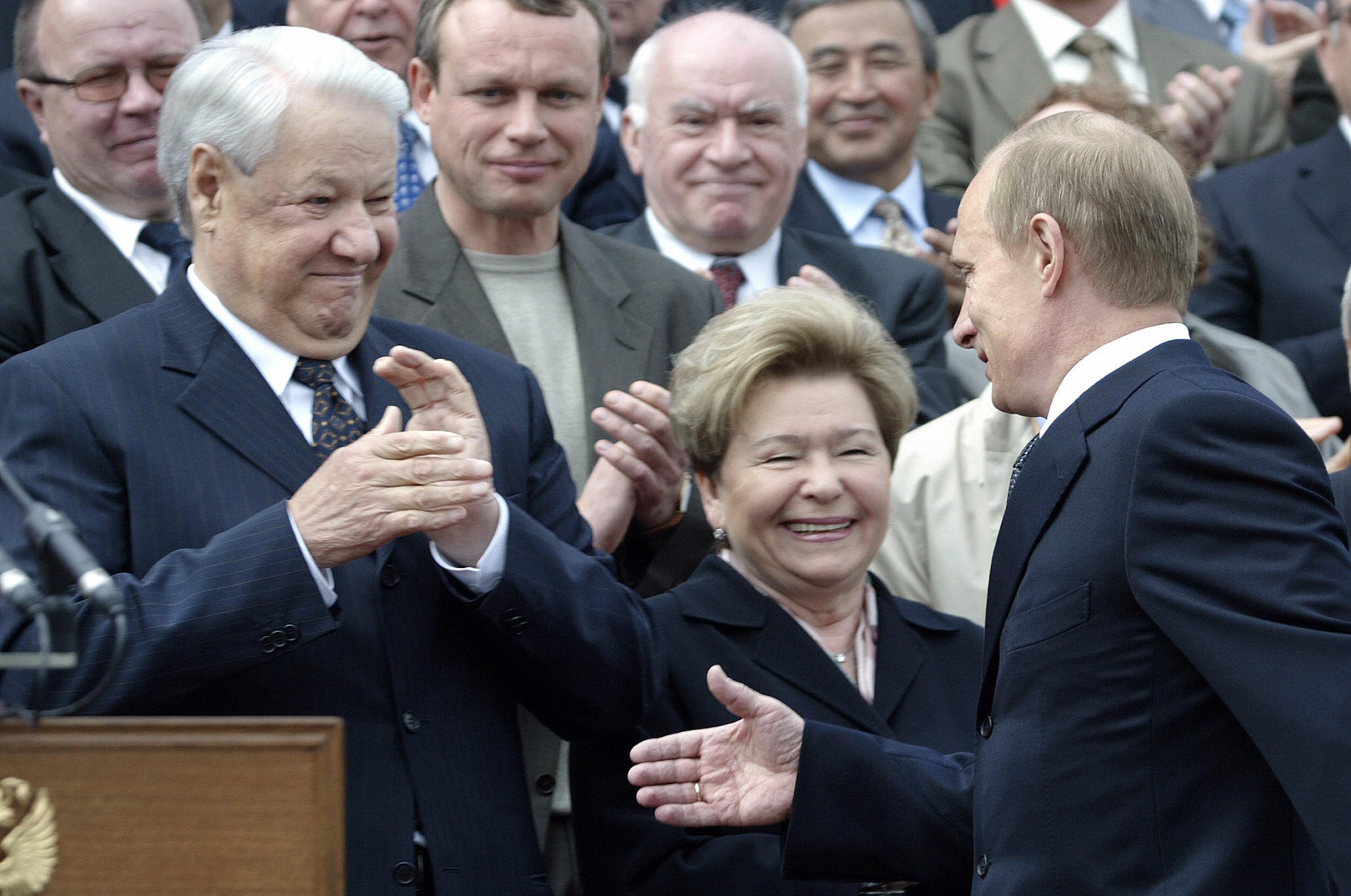
Putin rose to power by presenting himself as the antidote to the uncertainty and collapse associated with the Yeltsin era. Rising incomes, tighter state control, and the image of a resurgent Russia helped secure public acceptance, even as democratic institutions weakened and independent media slowly disappeared.
“We want our Russia to be a free, prosperous, strong, and civilized country, a country that its citizens are proud of and that is respected internationally,” said Putin at the Inauguration Ceremony in May 2000.
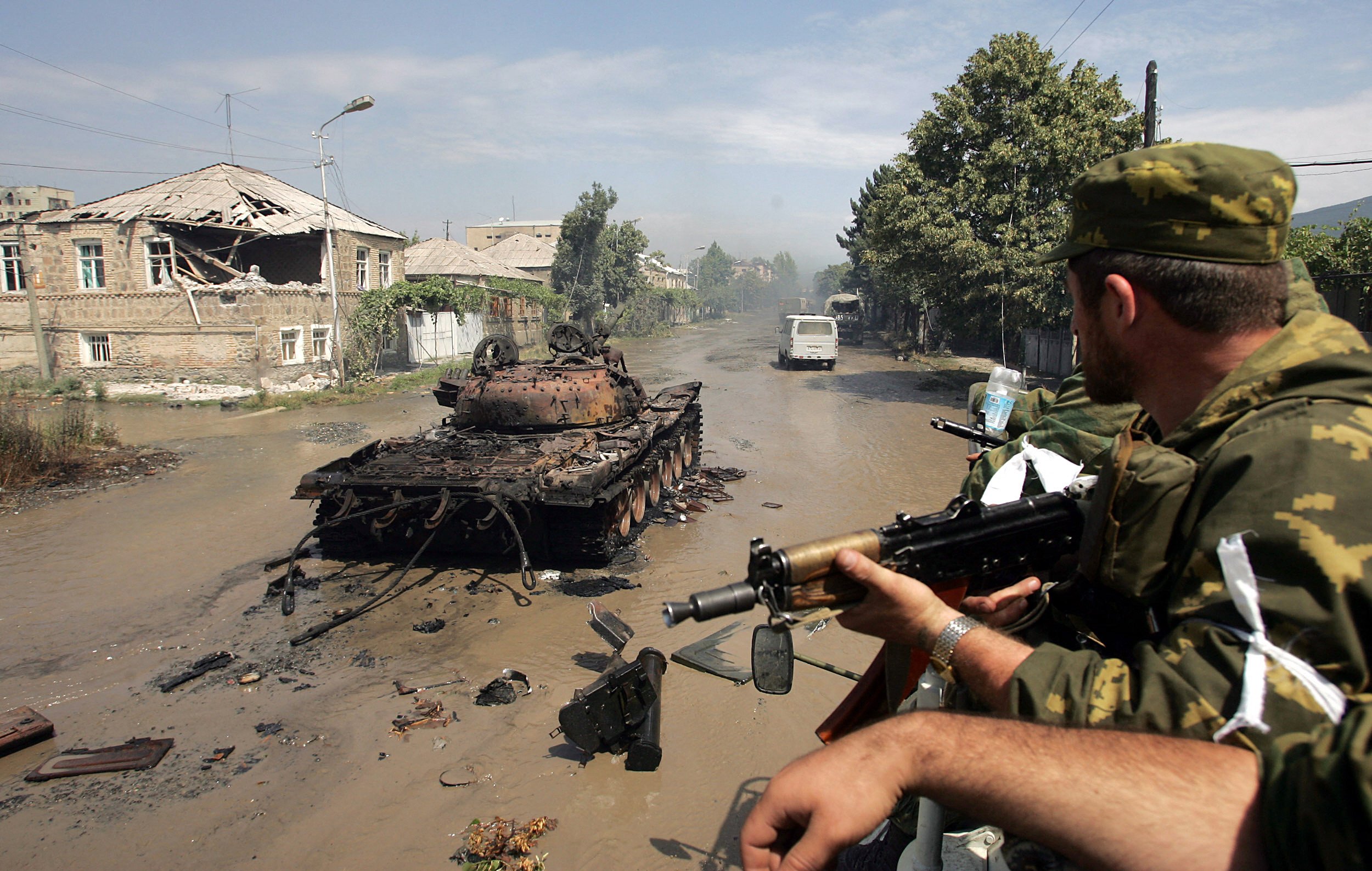
Over time, power became increasingly centralized around the Kremlin, while wars abroad, whether in Georgia, Syria, or Ukraine, became a defining feature of Putin’s rule.
Today, the foundations of that promise are slipping. Russia faces economic strain, isolation, demographic decline, and mounting wartime losses. The Kremlin still demands loyalty and sacrifice, but can no longer convincingly offer stability or long-term prosperity in return.
Even symbolic displays of strength increasingly reveal insecurity. Russia’s 2026 Victory Day Parade lasted just 45 minutes and, amid security concerns, showed that Russia is in a position of decline and despair.
“A military parade is intended as a demonstration of strength and bravery,” Carnegie Russia Eurasia Center notes. “But if it is held furtively, without rehearsals, and with the internet jammed (to reduce the chances of a Ukrainian attack drone being able to navigate to the site), it demonstrates nothing but fear and weakness.”
What Putin promised: The social contract
Putin offered the Russian people a sort of social contract, which is a concept that underpins the very existence of a government. It is usually understood in political theory as an agreement to give up some freedom in return for protection. The debate lies in what degree is acceptable.
The wild nineties
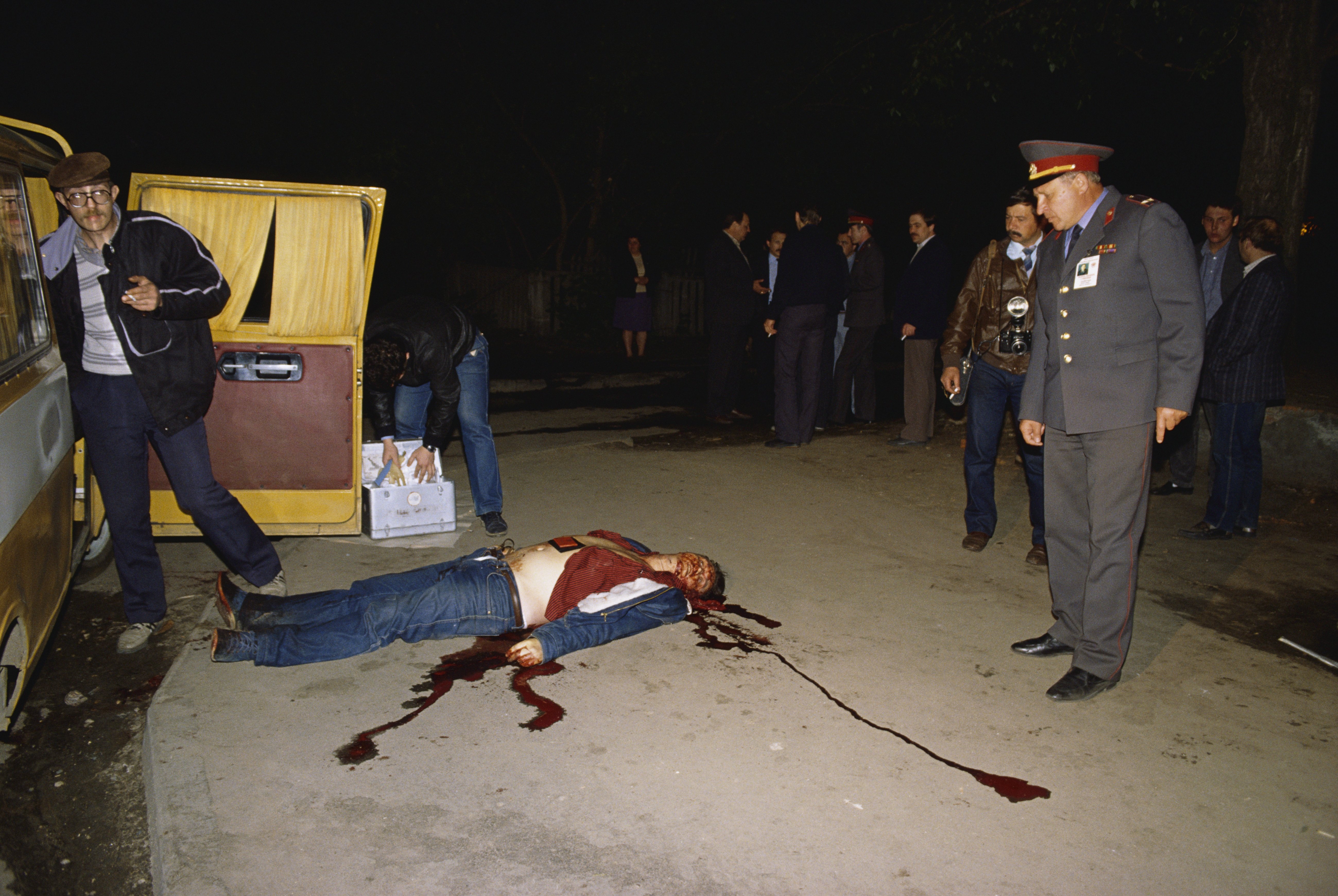
Putin came to power at the end of the 1990s—often dubbed the Wild Nineties—due to the instability, rise in organized crime, and loss of the social support networks the communist system provided. Nearly all crime went up in Russia during this period, including homicide. Russian authorities even claimed 50% of the economy was connected to crime.
“From the 1960s to the late 1980s, there were 200 to 300 murder cases a year in Moscow and almost all murders happened in drunken brawls,” Vladimir Zharov, head of Moscow’s Bureau of Forensic Medicine, told the US-based think tank Jamestown in 2002. “But, in 1989, there were already 688 murder cases and, in 1992, when the country had officially turned to the market economy and property redistribution had started, 1,795 Muscovites were killed.” Murder peaked in Moscow in 1994 when 2,863 people were killed, says Zharov.
Oligarchs came to dominate politics as well, acquiring vast sums of wealth after state assets were privatized by purchasing vouchers that were distributed to citizens. Citizens were willing to sell at low prices because they desperately needed whatever money they had to survive. Many of the oligarchs were among the elite prior to the collapse of the USSR. As a result, they also became major players in post-communist Russia, deeply connected to organized crime, and acquired vast sums of wealth while others struggled.
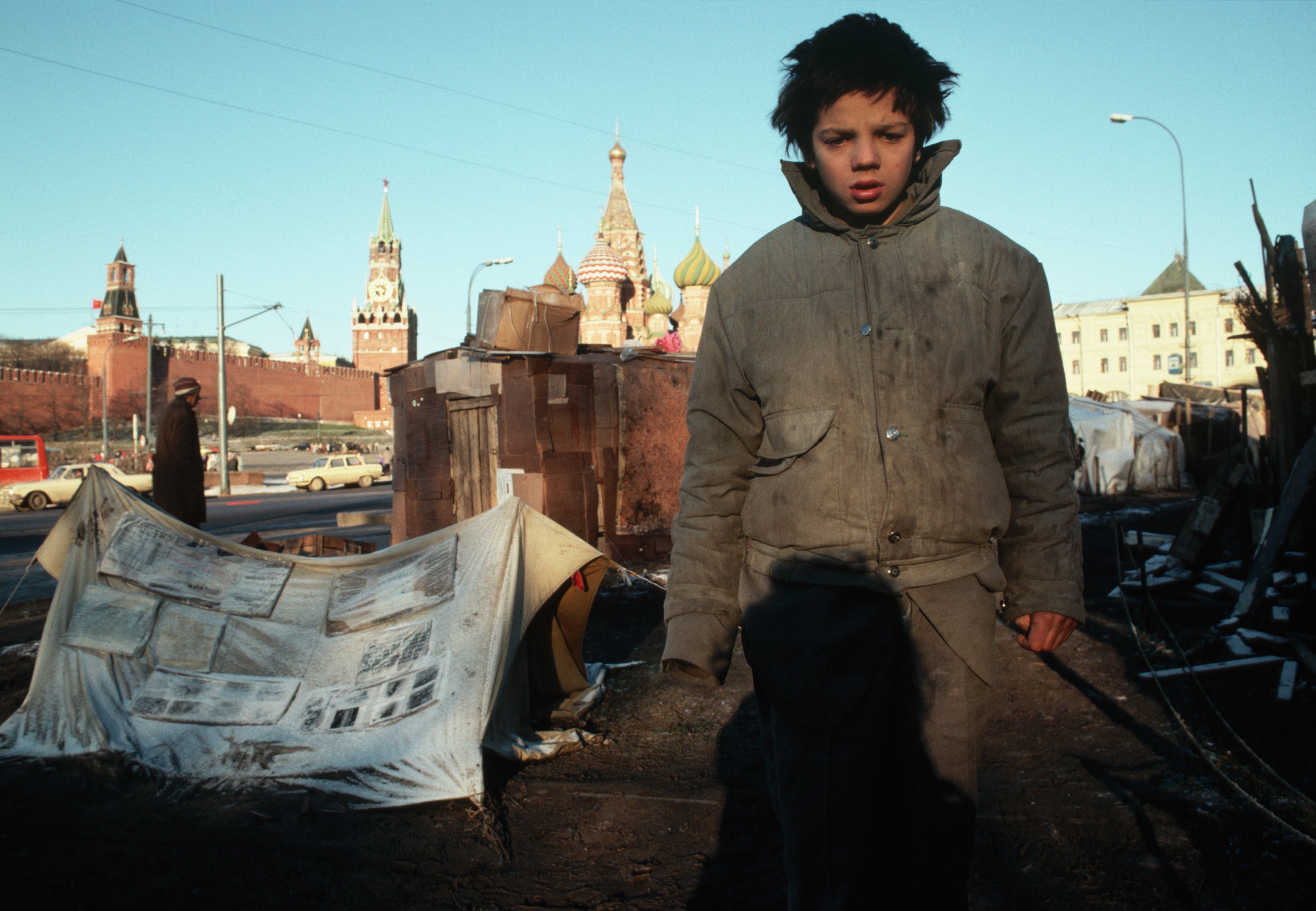
As one paper says, oligarchs were “the only Russian owners who can afford to invest and restructure Russian industries” and weakened Russian democratic institutions by causing intense inequality.
Putin’s deal and his impact on the 00s
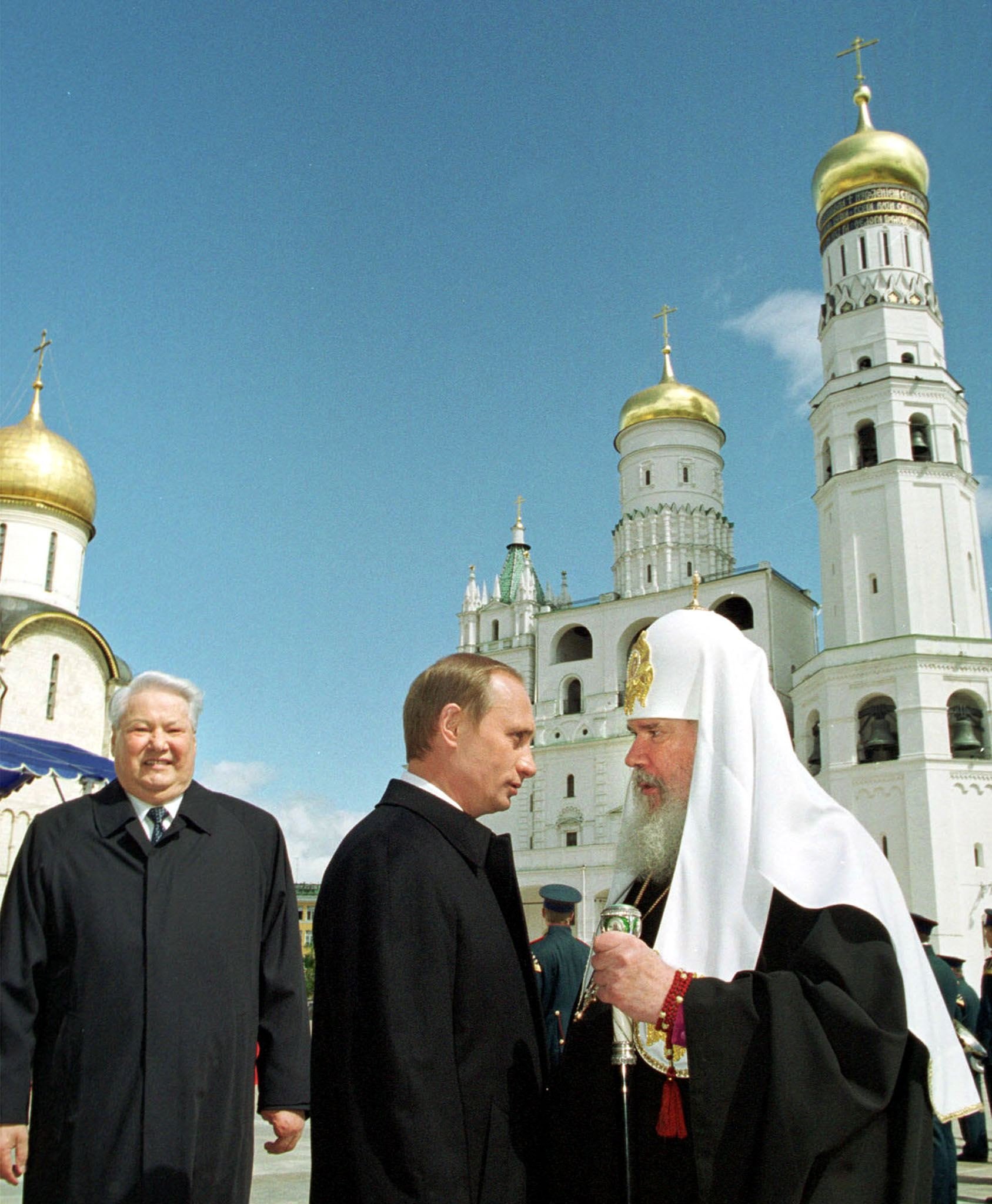
“Putin offered a new social contract in which the state would once again return to supremacy, regain its monopoly on violence, and provide safety and stability to the average citizen,” political researcher Dr. Judas Everett told us.
Individual political rights were expected to be given up. Crackdowns on oligarchs, such as former Putin ally Boris Berezovsky, the first oligarch to enter politics, and who was essentially exiled, demonstrated that. “Many people accepted it,” Everett said, “as the state provided a level of protection that former President Yeltsin’s government was unable or unwilling to give.”
This helps explain why many Russians like to claim “they do not do politics,” as political disengagement becomes a big part of the social contract. Staying within the “norm” allows people to avoid the immediate wrath of the state.
— 145 million of Russia’s smartest and most spiritual people, and no one could replace him?
— Natalka (@NatalkaKyiv) May 4, 2026
— I don’t think so.
Russians are asked who could replace Putin. This is a fascinating video. 😏 pic.twitter.com/lgePRKiSBm
After Putin came to power, crime went down, and living standards went up. While official reporting has been reasonably questioned by some researchers, there were increases in the middle class. This has been noted by a World Bank report. A minimum living wage was implemented, and the poverty rate went down.
Although, as one paper notes, “Despite the fact that the share of the population with the income below the poverty line decreased countrywide from 29.0% in 2000 to 24.6% in 2002 and to 17.8% in 2004, the problem of poverty in many regions was very acute.”
Nonetheless, the 00s under Putin saw a general increase in stability and economic growth, and a reduction in oligarchic domination. Life expectancy also rose significantly.
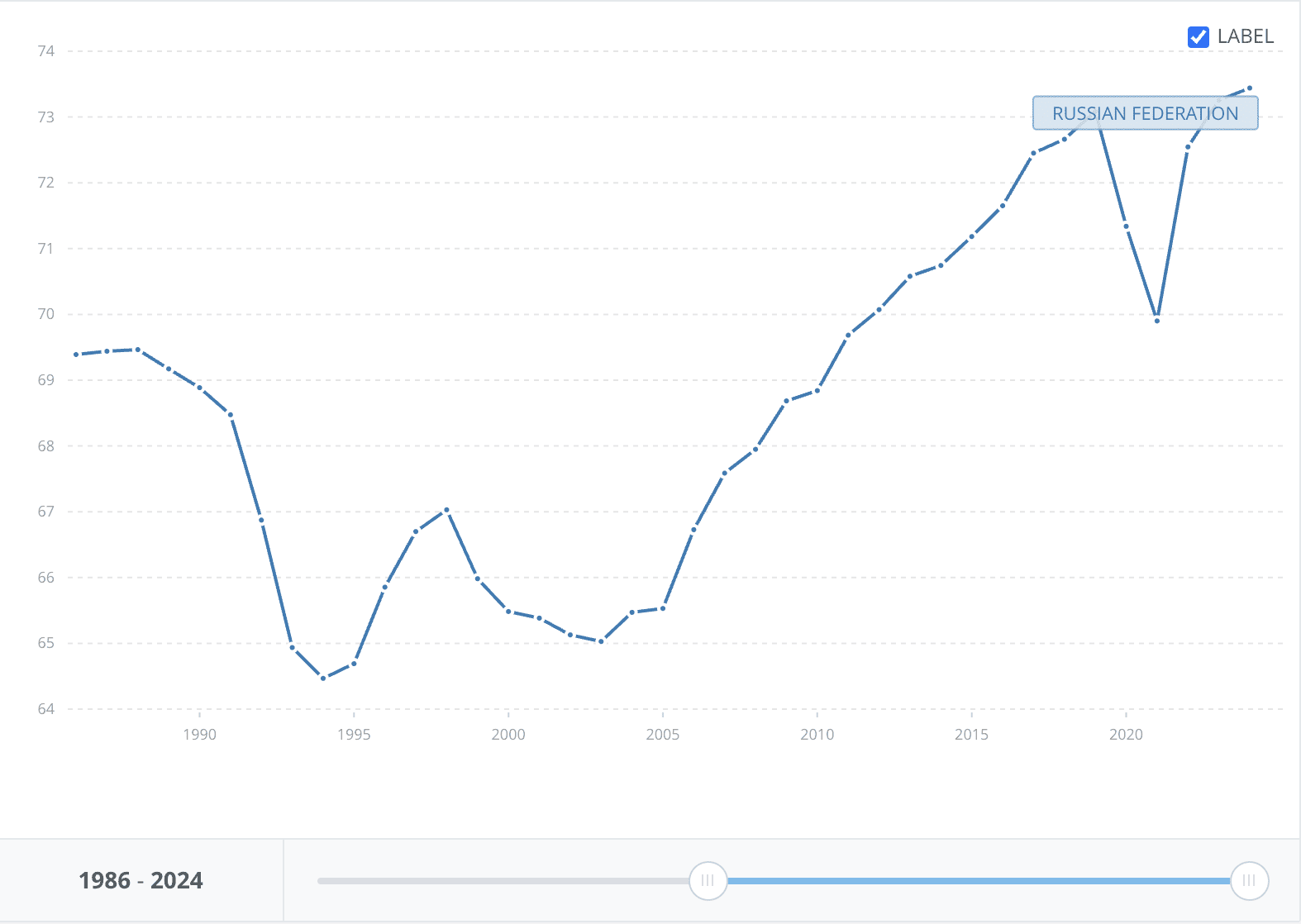
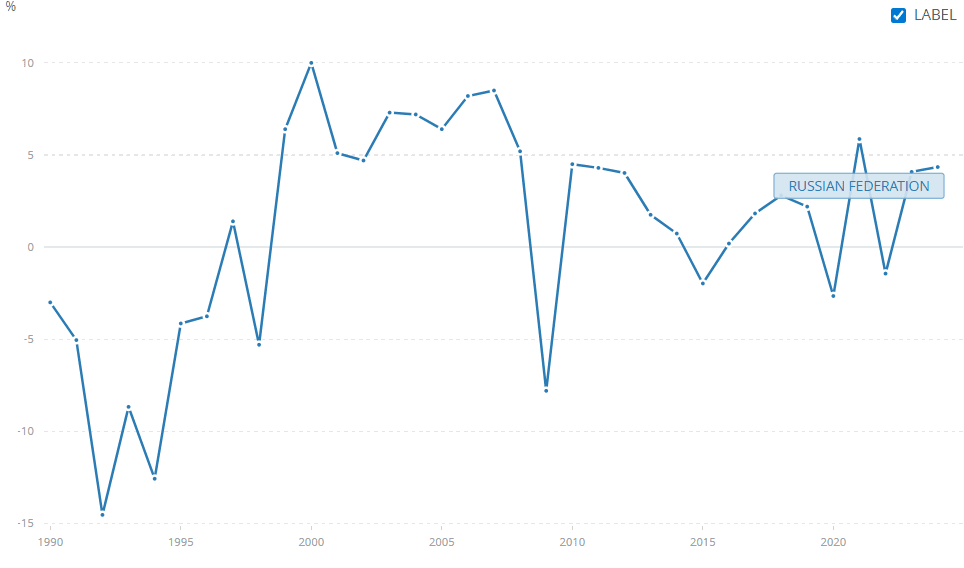
“The state did regain its position of supremacy above oligarchs and reclaim the monopoly on violence,” said Everett. “Russians lived better and had stability, as well as better material conditions. That does not mean that there was not still huge inequality, but the oligarchs were once again under the state, rather than above it.”
However, it was not universal and has led to the aforementioned apolitical attitude. As Everett said, “This attitude also required an indifference to the suffering that Russian policy inflicted on others, both at home and abroad. Indifference to the suffering of LGBT Russians, Chechens, Georgians, Syrians, and Ukrainians.”
How the deal is broken now
Putin’s full-scale invasion of Ukraine has brought many dire consequences to Russia. For example, the internet blackouts, where the Russian government blocked many sites and social media. This has disrupted even government functions. Many Russians have pulled money out of banks (around $3.21 billion), over concerns about digital payments. There have even been increases in Russians looking to leave the country, and countless videos of people voicing dissatisfaction. Many of Russia's regions are in massive amounts of debt, and the deficit has ballooned, reaching a third of the annual deficit target within the first two months.
Russia faces an array of problems. Flights are delayed due to drones, May 9th parades requiring air defense, Ukrainian drone strikes deep into Russia alongside routine, and massive attacks hit military/industrial and oil targets in major cities, including Moscow. The internet is unusable, moderate criticism even from pro-Putin Russians can result in arrests and long sentences, and the cost of living is extortionately high. Politics is unavoidable at this point.
While the outrage over the internet outages has been some of the strongest, it is a culmination of frustration and dissatisfaction. In Russia, the internet is, as anywhere, a crucial part of life, from business to navigation. “In the 00s, Russia’s internet was very free,” says Everett, “The change is noticeable among people who avoided politics.”
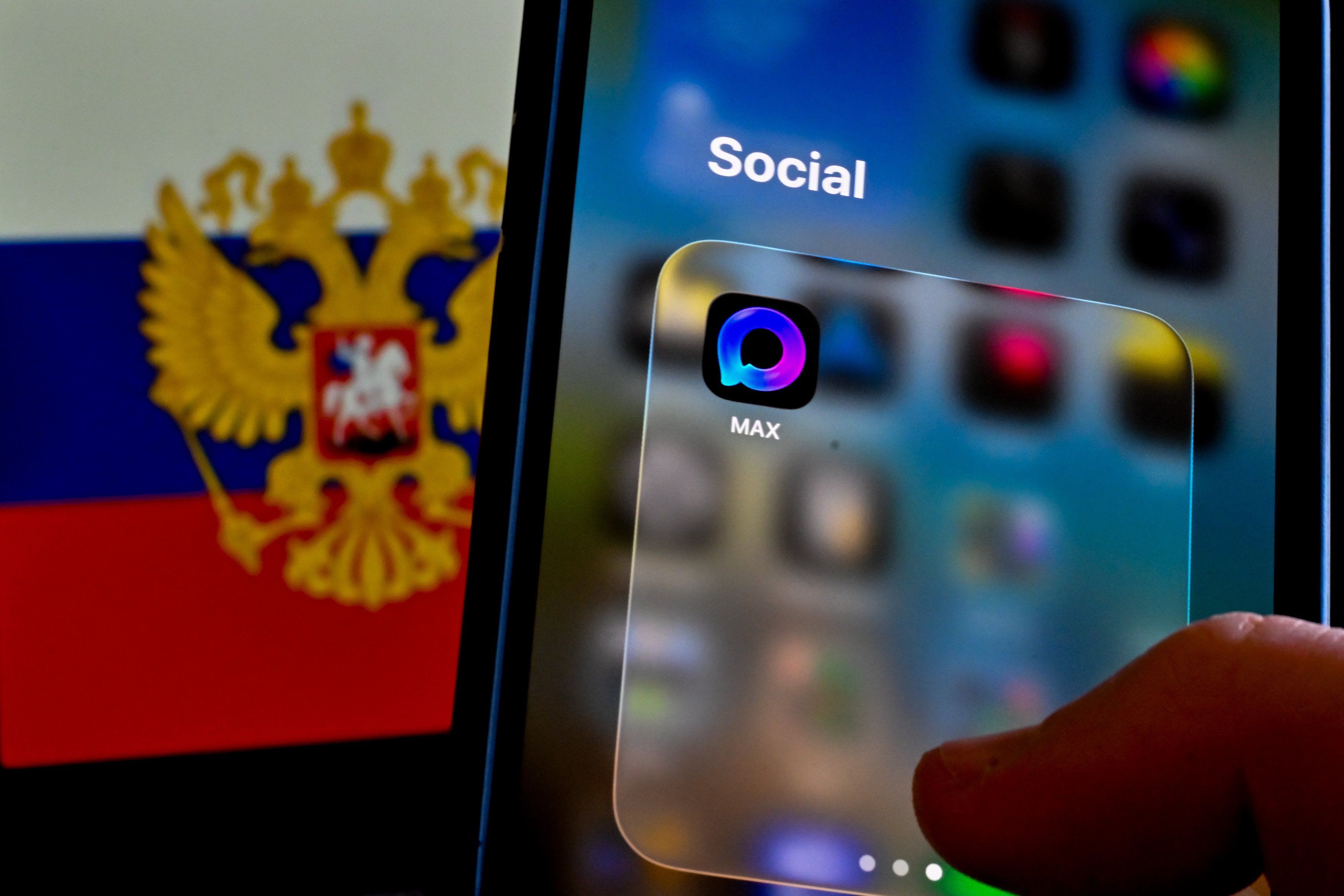
The massive amount of videos where people are complaining about strikes, often blaming Putin himself, shows how the Russian people who accepted this deal feel he has broken it and is failing to provide them with the stability he promised.
Putin’s ratings are declining, along with the Russian economy. From high inflation, business closures, and rising pessimism among entrepreneurs, to high levels of government spending, massive debt, and rising taxes, growth and economic certainty appear to be long gone. Oil output has hit its biggest drop since COVID. Russia has become more unequal since 2022, according to the independent analysis group Tochno.
Even state bodies are forecasting major problems. For example, the Center for Macroeconomic Analysis and Short-Term Forecasting said the country could face a banking crisis by October 2026. Economic Development Minister Maxim Reshetnikov said at a business conference that the economy “is not easy,” and Putin even admitted the GDP decreased. Oil revenue is down due to Ukraine’s long-distance strikes on oil infrastructure, costing Russia $7 billion.
Russia’s business ‘elite’ is abuzz, talking about this moment of honesty by the famous scientist Robert Nigmatulin at the Moscow Economic Forum. ⬇️
— Natalka (@NatalkaKyiv) April 15, 2026
“We’ve lost everything and are still the poorest. Even in the poorest regions of China incomes are higher than in our poorest… pic.twitter.com/w7HyZz8ikT
War spending is high, and taxes have increased, creating a heavier burden on average Russians as well. Its “Fortress Economy”, designed to be shielded from external threats, has broken as a result of Russia’s invasion of Ukraine. The deficit hit the yearly target in just two months in 2026. There are no healthy economic indicators, and it will not get any better for Russia, especially while it continues its war.
Many Russians will be questioning what this was all for. As one anonymous Russian official said to the Washington Post, “It seems to everyone that it’s been going on for longer than World War II, the Great Patriotic War—and at the same time we can’t even take one region.”
Everett said that “While Russians themselves must bear responsibility for the direction of their country, it is also clear that the authorities have broken the social contract which held the country and its citizenry together throughout the 2000s and 2010s.”
How the deal enabled the war, but has prevented Russia from winning
The lack of political participation and the “apolitical” attitude of many Russians, and the violent crackdowns on those who did actually protest, say, the invasion of Ukraine, enabled Russia to launch its invasion in 2014. Protests took place in Moscow and St. Petersburg in 2014 against the war, and the BBC reported that up to thousands attended, with hundreds arrested, similar to the protests in 2022. They later subsided. Note that Moscow’s population was around 12 million, indicating widespread support, fear, or indifference.
Yet, the social contract kept Russia from fully mobilizing its population and enacting even more extreme measures, especially in 2022. In 2026, Russia has still not fully mobilized its society. Military recruitment relies mostly on contract soldiers. Even in 2014, when Russia first invaded Ukraine, and Ukraine’s military was not the same larger, experienced, modern force it is today, they could launch a full-scale war. Putin had to be cautious enough not to violate the contract: a wider mobilization would bring instability and politics into people’s lives. Around 150,000 were conscripted in 2025, compared to the reported 417,000 contract soldiers (though the actual figures are unverified).
From the Russian state’s point of view, says Everett, they found a way to conduct a war, at least initially, without breaking the social contract. The widespread expectation that Kyiv would fall within days did not emerge out of nowhere. The Kremlin appeared to believe it could wage a short, decisive war without fundamentally disrupting everyday life for most Russians. A rapid victory would preserve the illusion that Russia could restore its status as a great power.
When that didn’t happen, Russian civil society still seemed to maintain its stability and “the possibility of living normal lives while politics continued without disrupting them,” says Everett. For the first few years of the full-scale invasion, Ukraine was unable to strike military targets deep into Russia, so many Russians could easily turn a blind eye to it. This is not the case now.
“Neither side can be content with the situation,” he said. “The Russian state is unable to achieve its war aims, and Russian civil society is not receiving the level of state protection, stability, or ability to live normally that they expected.”
What happens next?
“If the state doesn’t fulfill its side of the social contract, then why pay taxes, for example?” Everett said. “Even more directly, they can not participate in the war. While most contract soldiers are driven by financial incentives, any erosion of trust in the state and the social contract may appear most concretely in the recruitment numbers.” Considering that military recruitment has been decreasing, this could become more significant.
Russians in government are worried about resistance. As the leader of Russia’s Communist Party (which, despite being an opposition party, often aligns with Putin’s government), Gennady Zyuganov said in Russia’s State Duma "We’re doing everything we can to support Putin and his strategy and policies, but you are not listening” and "If you (the government) do not urgently adopt financial, economic and other measures, by autumn a repeat of what happened in 1917 awaits us. We don't have the right to repeat that. Let's make some decisions."
By permitting Putin and the government to rule without democratic challenges, Russia was able to go further and launch a war, which has undermined everything Putin initially offered. Russia achieved stability by suppressing political participation and public contention, but such stability was always temporary, Everett said.
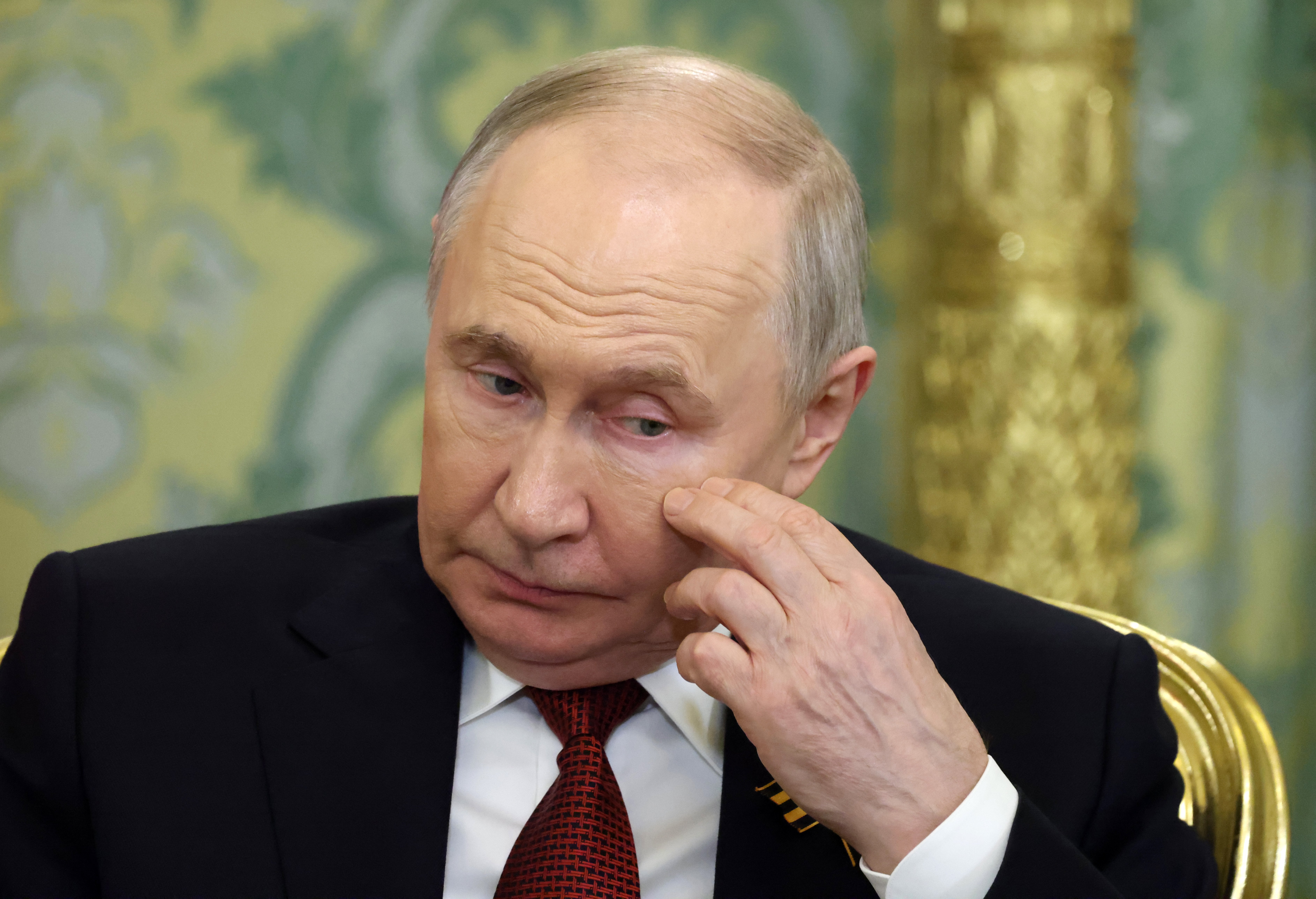
“When it mattered most, there was no mechanism and no individual to protect the very stability and material success that Russians prized above all else,” Everett added. “We must give up some individual liberty to partake in society, but when we give up our political rights and accept a form of politics as management, free from contention, any success or stability will be short-lived.”
Discuss this article:


-c439b7bd9030ecf9d5a4287dc361ba31.jpg "Photo of Katherina Popilnichenko")