- Category
- Latest news
Internet Disruptions Sweep Russia, Affecting Banks, Telecoms, and Government Services
 Prefer U24 Media on Google
- Authors

-c439b7bd9030ecf9d5a4287dc361ba31.jpg "Photo of Katherina Popilnichenko")
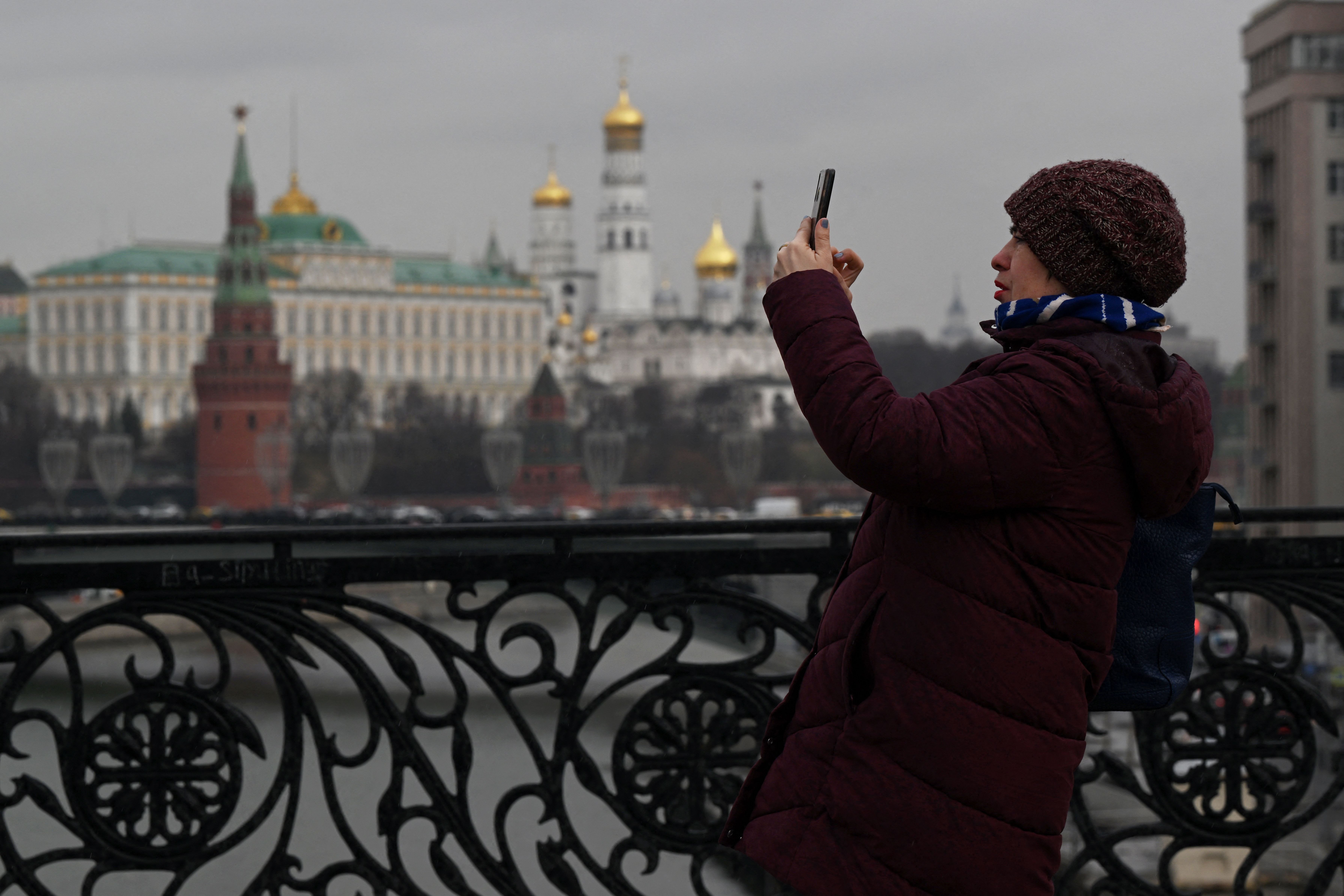
A significant disruption impacted the Russian internet on the evening of April 6. The outage affected various sectors, including major banks, mobile service providers, entertainment sites, and government portals, according to The Moscow Times.
We bring you stories from the ground. Your support keeps our team in the field.
Data from monitoring services reported issues with Rostelecom, Alfa-Bank, NTV Plus, Tricolor, and the state services portal. Users also reported difficulties accessing Sberbank, Gazprombank, and the gaming platform World of Tanks. The specific cause of this incident has not yet been confirmed.
This event follows a previous large-scale failure of the country's financial infrastructure on April 3. During that period, the largest banks and the Central Bank's Quick Payment System experienced operational problems.
According to sources cited by The Moscow Times in the cybersecurity, the failure was caused by the "overstrain" of technical tools for countering threats (TSPU) managed by the state regulator Roskomnadzor.
Experts noted that the equipment may be failing to handle the increasing number of blocking rules, causing it to "fail under the load." Technical specialists observed that "a failure of this scale may be a “side effect” of blocking in Russia" because the volume of restrictions is causing network connectivity to degrade.
Internet shutdowns in Russia have been recorded since May 2025. Authorities frequently implement shutdowns in more than 60 regions, while "white lists" of approved websites are active in 72 federal subjects. In 2025, the country led the world in the scale of outages, affecting 146 million people.
Some analysts predict the country could move toward a fully isolated internet by 2028. Reports indicate that officials have studied the methods used by China and Iran to block segments of the network while maintaining control over online communication.
Legislative proposals to further regulate the web are also increasing. Nina Ostanina, Chairman of the State Duma Russia committee on Family Protection, Fatherhood, Motherhood and Childhood, stated that Russians should only be allowed to access the internet using a passport to "protect children from criminals."
Other officials have proposed laws for a "fair, clean, and legal internet" that would require platforms to de-anonymize all users. Additionally, the Ministry of Digital Development has reportedly demanded that companies on the "white list" block users who access their sites via VPN, warning that failure to do so could result in removal from the approved list.
There are also proposals to introduce fees for mobile users who exceed 15 GB of international traffic per month while using a VPN.
Russian authorities began 2026 by tightening internet censorship and removing major platforms like YouTube and WhatsApp from the National Domain Name System (NSDI). This move followed the official announcement of Telegram blocking and marked the first documented case of mass domain removal under the "sovereign Runet" law.
Experts noted that these actions effectively created an isolated Russian internet where blocked sites appeared as if they no longer existed.
Additionally, at that time, the State Duma prepared to review amendments that broadened the FSB's power to suspend communications nationwide.
Discuss this article:
-9bd5e1532102621f8fb1c4ba871a3171.png)

-72b63a4e0c8c475ad81fe3eed3f63729.jpeg "Photo of Cyril Barabaltchouk")


-9cfe2bcfa487b9f4303387da905e45b0.jpeg "Alexey Korolev, a Russian ex-convict accused of killing six fellow servicemen, including a former FSB specialist, near Kupiansk in October 2025. (Source: The Insider)")