- Category
- War in Ukraine
Ukraine’s FSV App Introduces Tool to Map Drone Signal Coverage Before Missions
 Prefer U24 Media on Google
- Authors

-111f0e5095e02c02446ffed57bfb0ab1.jpeg "Photo of Roman Kohanets")
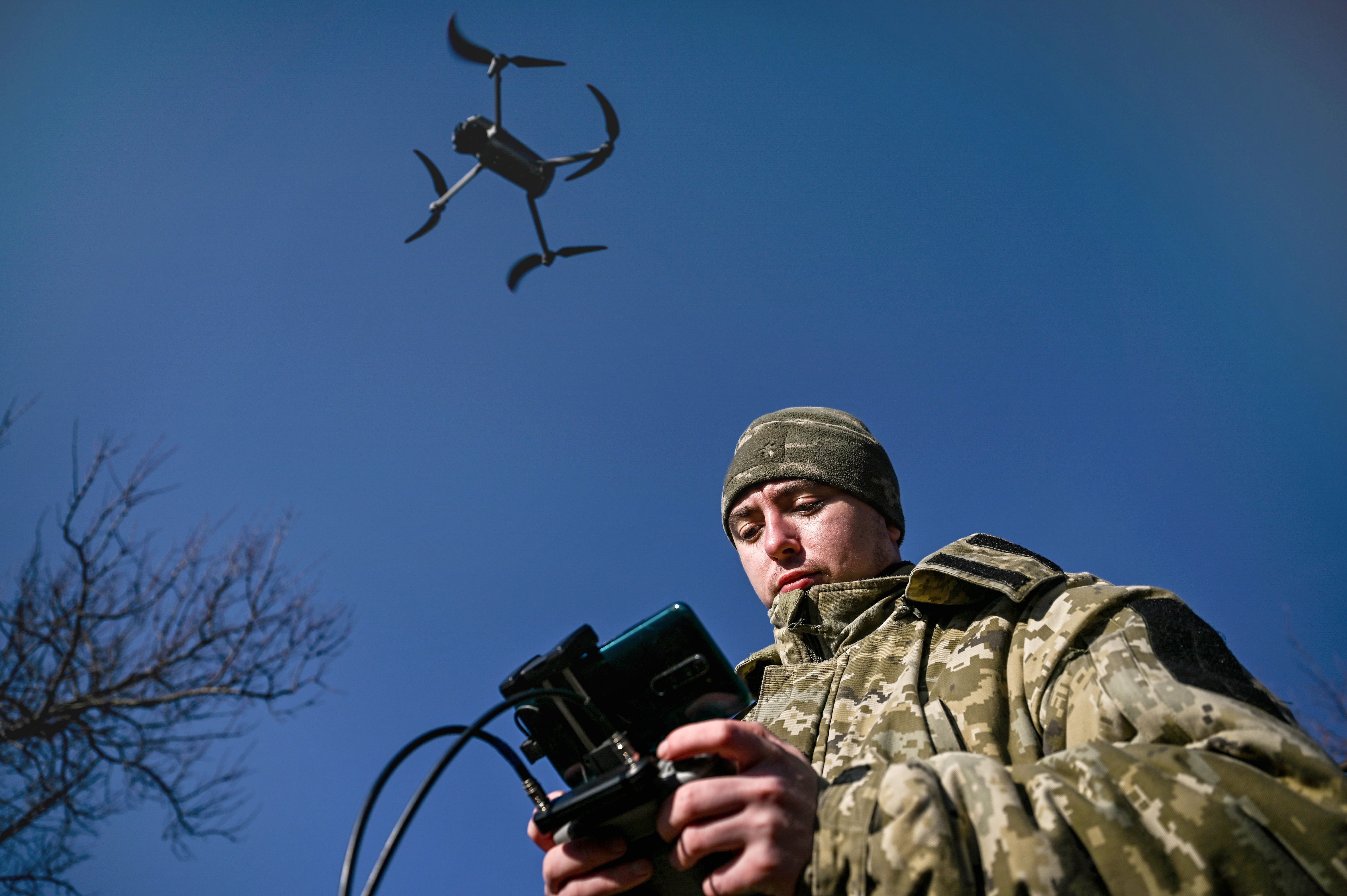
Ukrainian company Farsight Vision has introduced Link Coverage, a new feature in its FSV App that lets drone operators model signal coverage before takeoff and identify zones where control links may degrade, according to Militarnyi on May 19.
Link Coverage is designed to simulate the stable-signal zone within a specific area, enabling pilots to plan missions in advance and reduce the risk of losing aircraft control.
We bring you stories from the ground. Your support keeps our team in the field.
The functionality currently supports DJI drones and relies on the manufacturer's open technical specifications for communication systems and controller range. Users select a specific drone model, place the pilot's position on a map, and receive a predicted coverage zone calibrated to the terrain and local conditions.
The system also flags potential sections where the signal may weaken or drop entirely, a feature the company described as particularly relevant for route planning ahead of complex missions.
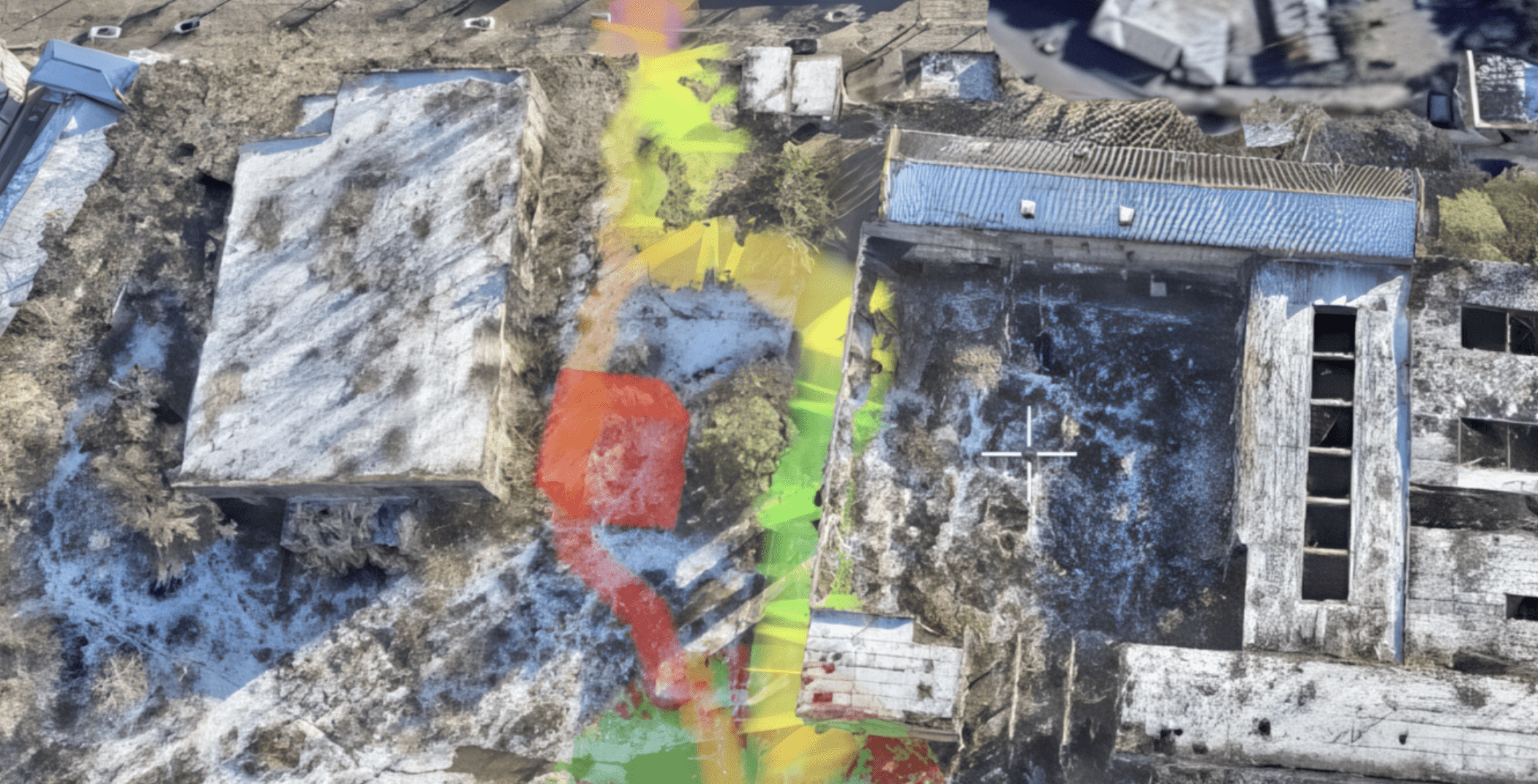
For drone models not on the supported list, the application allows manual configuration of communication parameters before generating the same coverage forecast.
Farsight Vision noted that the tool is intended to simplify preparation for flight tasks and make the use of unmanned platforms more predictable.
The company separately called on UAV manufacturers to join the expansion of the FSV App ecosystem by providing technical parameters of their communication systems for integration.
Ukrainian companies working on battlefield communications have increasingly drawn attention from allied militaries. HIMERA, a Ukrainian developer of tactical radios, conducted successful field testing of its systems in the United States during NATO-standard military exercises in February.
The HIMERA equipment was evaluated during Operation Fuzzy Bunny, part of the Future Flag training series held at ADK Battlelab and the National Security Research Center.
The G1 PRO demonstrated more than 48 hours of autonomous operation during the exercises, while the B1 and R1 relay units provided plug-and-play deployment and wireless configuration for wide-area network coverage.
Discuss this article:
-9bd5e1532102621f8fb1c4ba871a3171.png)