- Category
- Latest news
For the First Time, Ukraine Outguns Russia in Long-Range Drone Attacks
 Prefer U24 Media on Google
- Authors

-c439b7bd9030ecf9d5a4287dc361ba31.jpg "Photo of Katherina Popilnichenko")
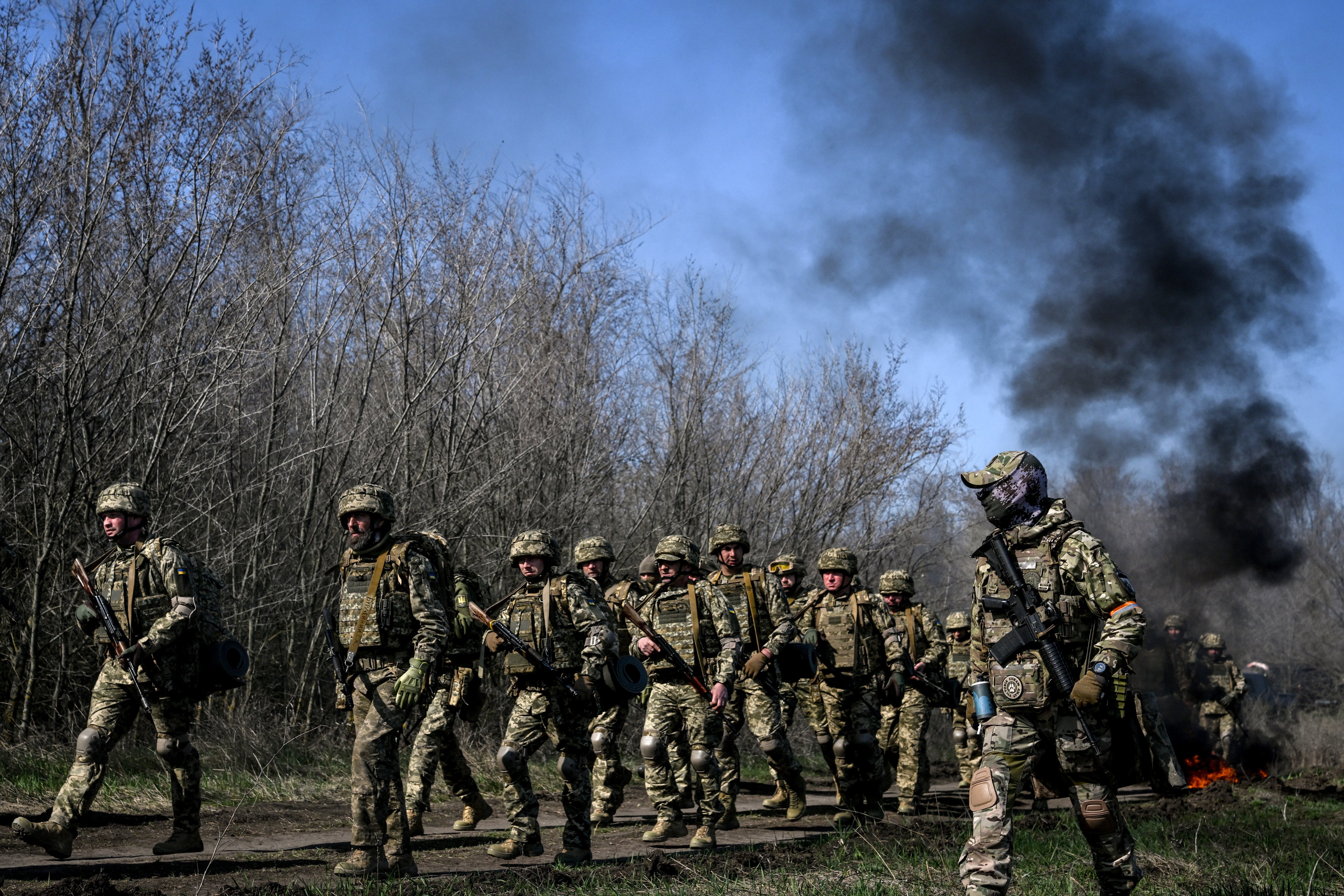
In March, Ukraine launched more attack drones than Russia for the first time since the beginning of Russia’s full-scale invasion of Ukraine in 2022.
This shift is based on daily data released by the Ukrainian Air Force and the Russian Ministry of Defense, which was analyzed by ABC News on April 6.
We bring you stories from the ground. Your support keeps our team in the field.
While official figures from both sides can be influenced by military communication goals, these numbers highlight the changing scale of the aerial war.
The Russian Ministry of Defense claimed to have downed 7,347 Ukrainian drones in March, marking a record for the entire duration of the war. According to their statistics, this averages about 237 drones per day. These figures specifically account for Ukrainian aircraft that Russia claims to have successfully destroyed.
During the same period, the Ukrainian Air Force reported defending against 6,462 Russian drones and 138 missiles of various types. Ukraine stated that it intercepted or suppressed 90% of these drones and nearly 74% of the missiles. Based on these reports, Ukraine faced an average of 208 drones and four missiles every day throughout the month.
ABC News noted that it cannot independently verify the data provided by either Moscow or Kyiv. However, the outlet observed that while Russia previously maintained a clear advantage in launching long-range strikes, the March data suggests a shift in the balance of power. Ukraine’s long-term efforts to build its own domestic strike capabilities are showing measurable results.
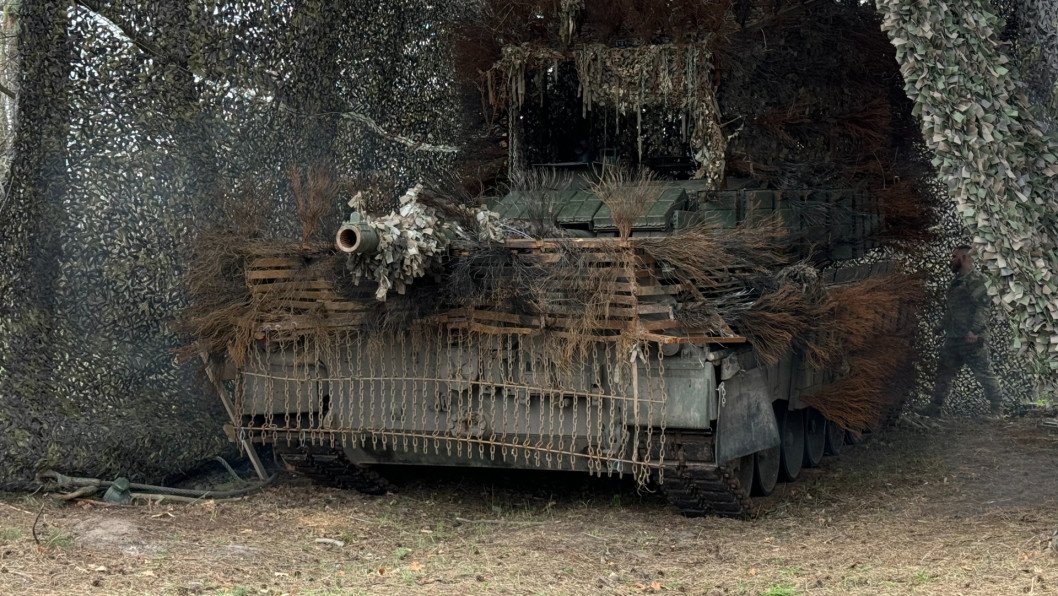
Ukrainian President Volodymyr Zelenskyy has consistently emphasized the goal of expanding the country’s long-range military options.
"Our production potential for drones and missiles will reach 35 billion dollars as early as next year. Despite all the difficulties, Ukrainians are creating a national defense product that in some parameters already exceeds many others in the world," Zelenskyy stated in October.
He added that "Never before in history has Ukrainian defense been so long-range and so tangible for Russia. We must make the price of the war absolutely unacceptable for the aggressor, and we will do it."
Most of these Ukrainian strikes are currently carried out using relatively low-cost, domestically produced drones. There is also an increasing use of interceptor drones designed by Ukrainian companies to destroy Russian attack UAVs in the air.
Drones continue to make up the majority of the objects targeted by Russian air defenses. Ukraine has focused its aerial campaign on Russian oil refining and transportation infrastructure. In March, significant strikes targeted the Baltic Sea ports of Ust-Luga and Primorsk, which are vital hubs for Russian oil exports.
The Kremlin described these actions as "terrorist" attacks, while Ukraine maintains that energy infrastructure is a legitimate target because oil revenue is used to fund the invasion.
Despite these Ukrainian gains, Russian forces are continuing their spring offensive operations.
By late March 2026, a sustained week-long campaign of Ukrainian drone strikes significantly disrupted Russian oil operations at the Baltic ports of Ust-Luga and Primorsk.
These deep-strike missions, which began on March 23, targeted critical export infrastructure and caused massive fires visible on satellite imagery. By March 29, the strikes had damaged multiple fuel storage tanks, berths, and oil tankers, forcing a frequent halt to loading operations.
Discuss this article: