- Category
- War in Ukraine
“War Doesn’t Win Itself”: An Exclusive Look Inside Ukraine’s Transforming 51-Day Boot Camp
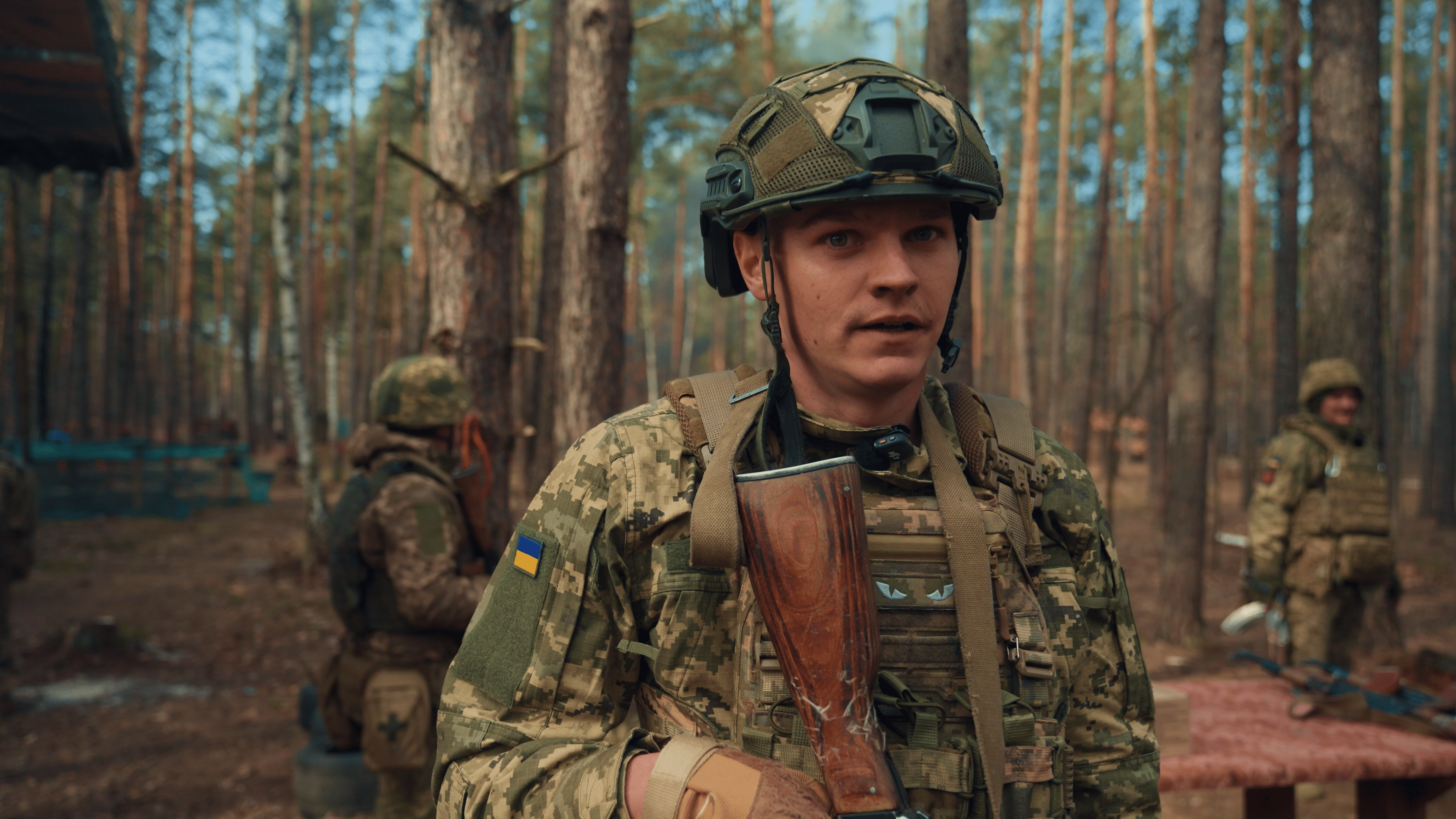
“People are afraid of the unknown,” says Mykhailo. His job is to turn civilians into soldiers in under two months. That training is now evolving—shifting toward more tech, simulators, and underground facilities to prepare recruits for drone warfare.
 Prefer U24 Media on Google
- Authors


The Ukrainian Armed Forces are in the midst of rebuilding their basic training system—an effort the General Staff sees as the most viable way to prepare recruits under wartime conditions, even if its effectiveness remains uncertain.
We bring you stories from the ground. Your support keeps our team in the field.
At an undisclosed training center in Ukraine, members of the press, including me, were brought in on a guided press tour to observe conditions for newly enlisted and mobilized troops.
Barracks are partially underground, and the classrooms are reinforced. Air raid sirens were treated with particular seriousness, as daytime drone strikes were frequent in the area. Despite the clear danger, training cannot stop; every second of this program is vital, and lives are on the line.
That sense of urgency is driven by mobilization. More than four years into the war, Ukraine continues to expand and rotate a force of roughly 980,000 personnel. That requires a constant flow of recruits pulled from civilian life into an accelerated training format.
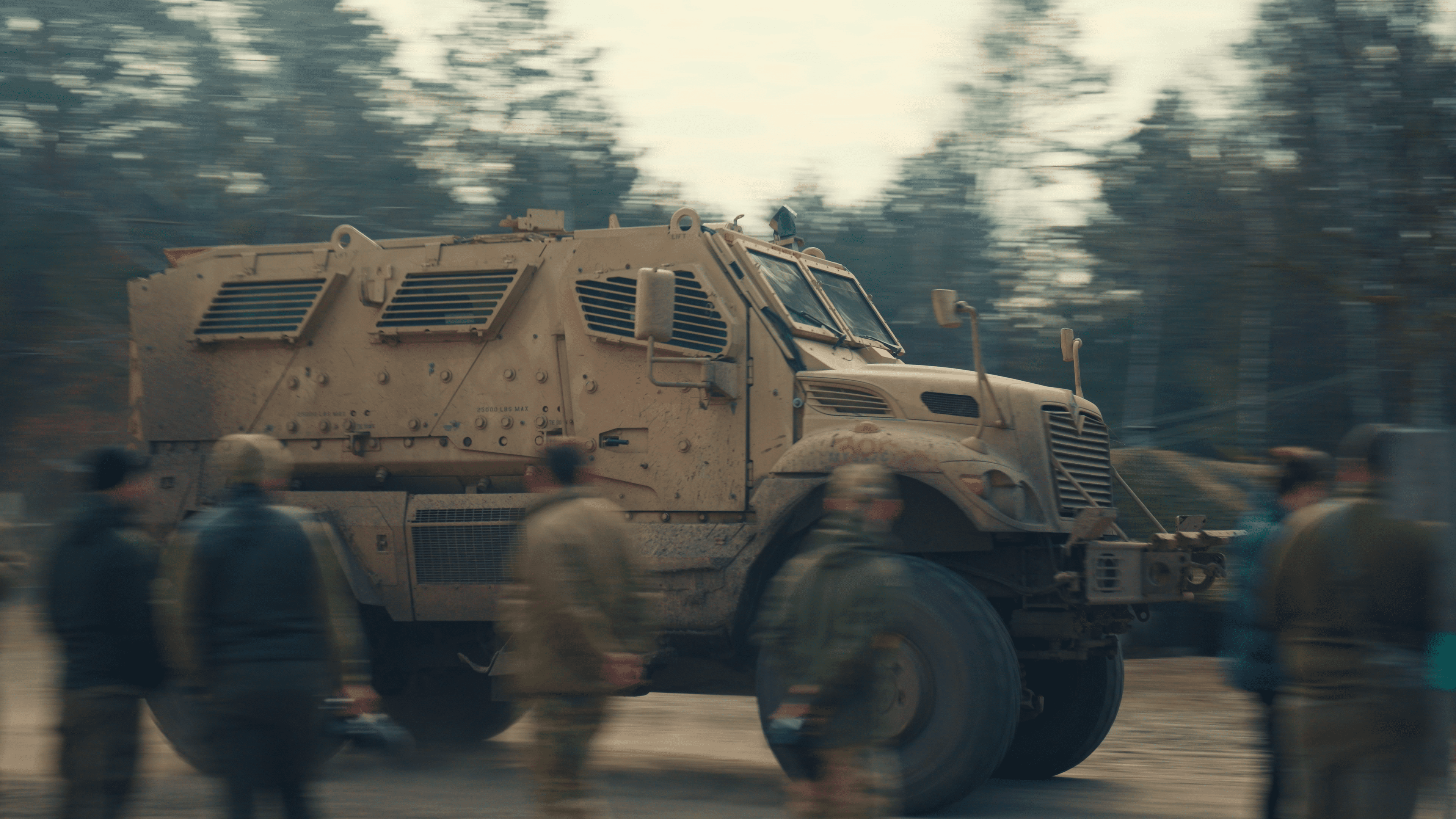
Mobilization has become one of the most politically polarizing issues in Ukraine, shaped by a mix of public distrust toward state institutions, socio-economic pressures, and uneven communication about what service actually entails.
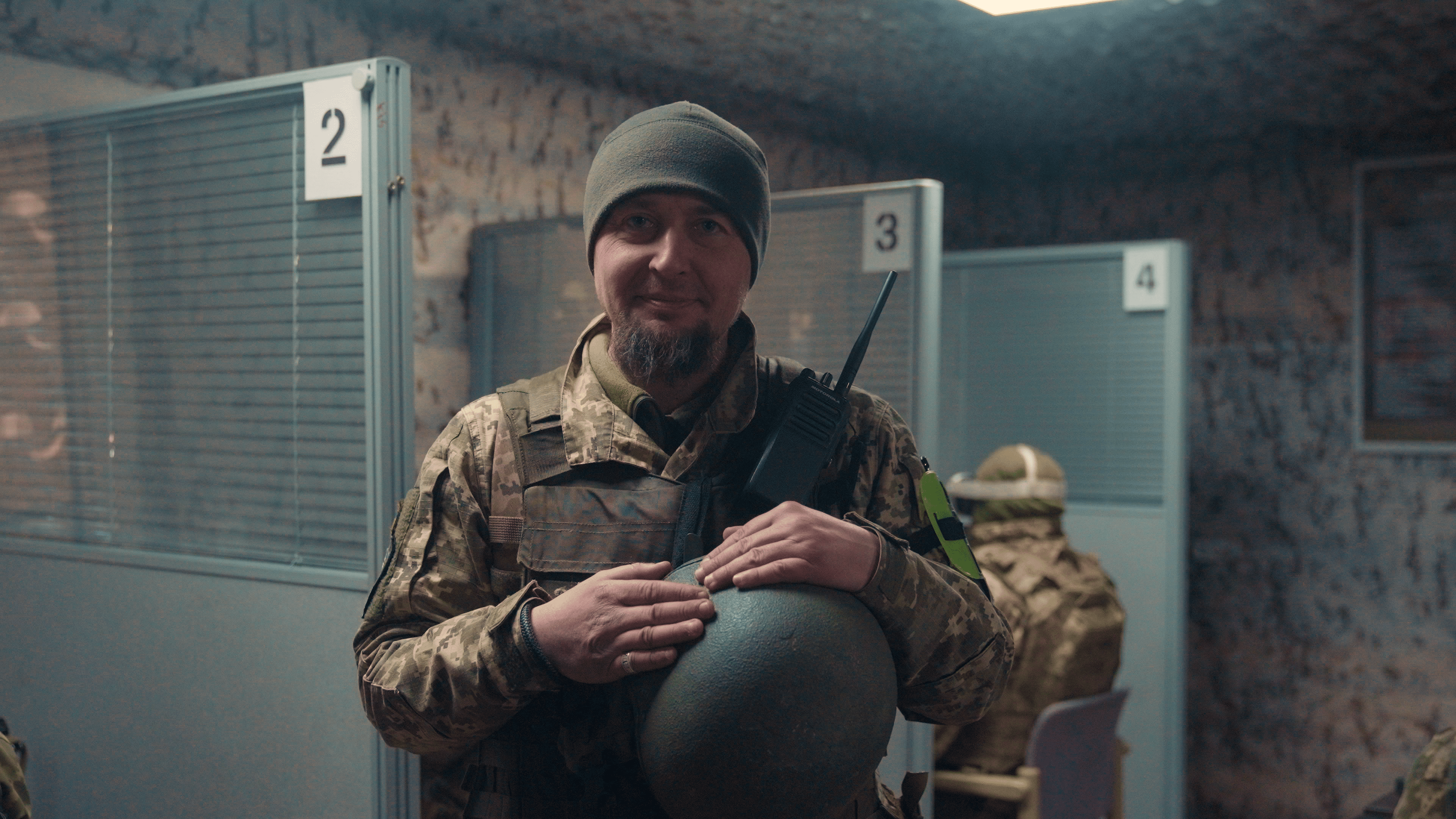
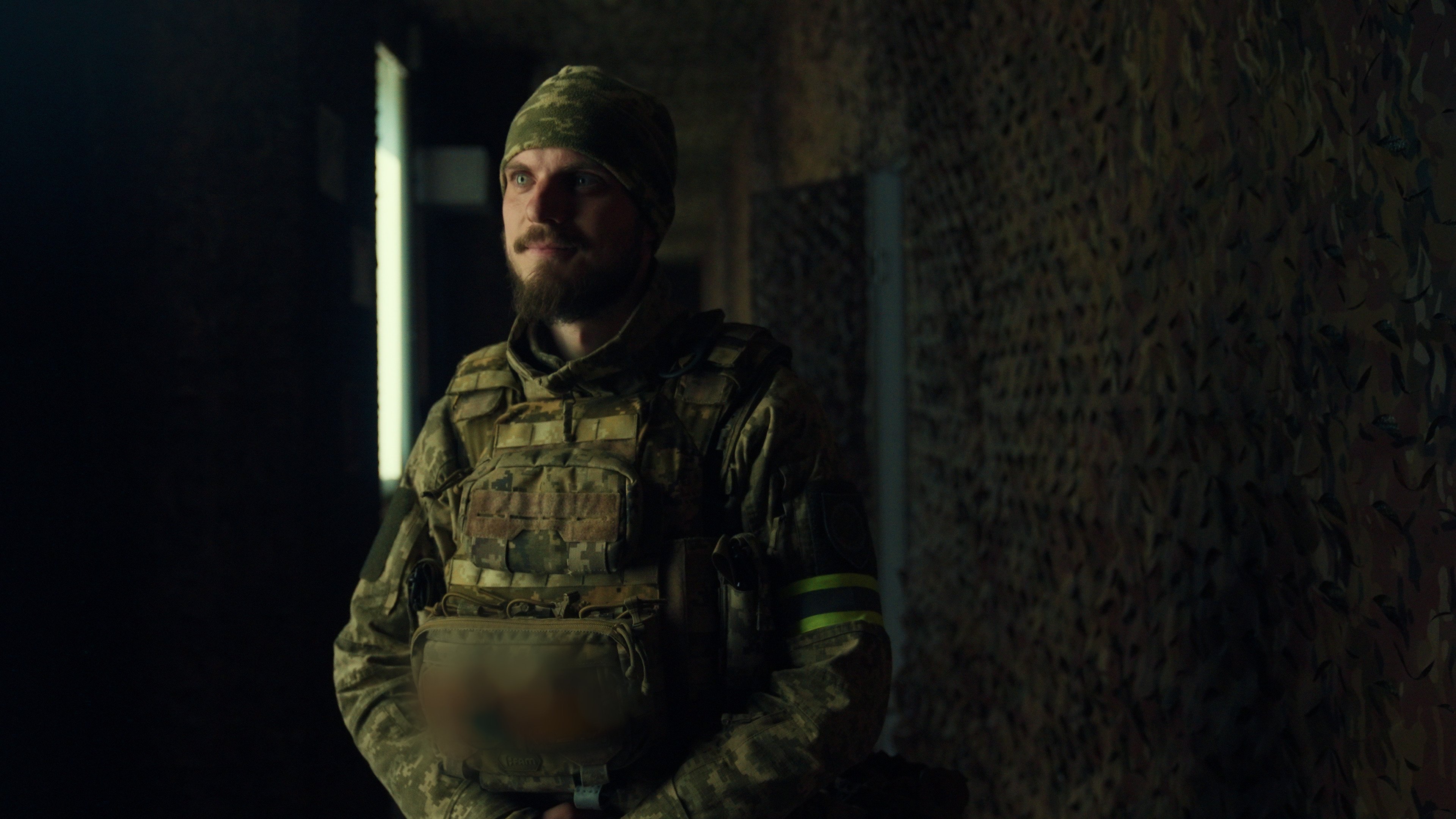
Within the military, the issue is framed more pragmatically. “People don’t understand mobilization… there’s no proper communication with civilians,” says Mykhailo, a deputy commander responsible for organizing training. “What scares people most is the unknown—where they’re going.” At the same time, he stresses its necessity: “If there is no mobilization, there will be no victory. War doesn’t win itself. If we lose, who will defend the country? People on the front don’t come from nowhere.”
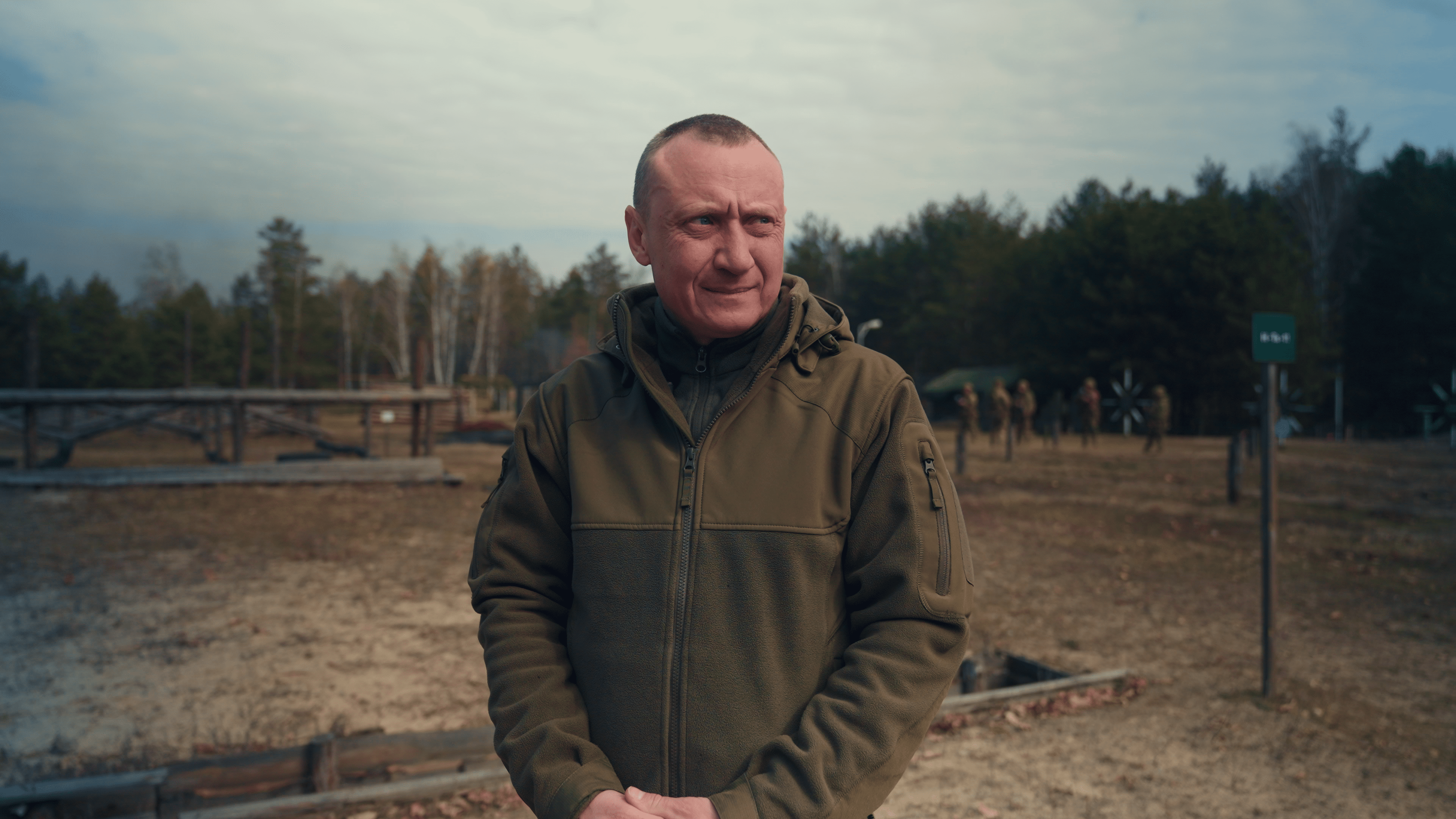
Learning the basics
As of 2025, Ukraine’s standardized Basic General Military Training program runs for 51 days, with 42 days dedicated to active instruction and a total of more than 400 hours. Most of that time is spent on hands-on exercises rather than classroom theory, the Ministry of Defense says. The curriculum moves recruits through individual skills, small-unit coordination, and finally a multi-day field exercise designed to replicate combat conditions as closely as possible.
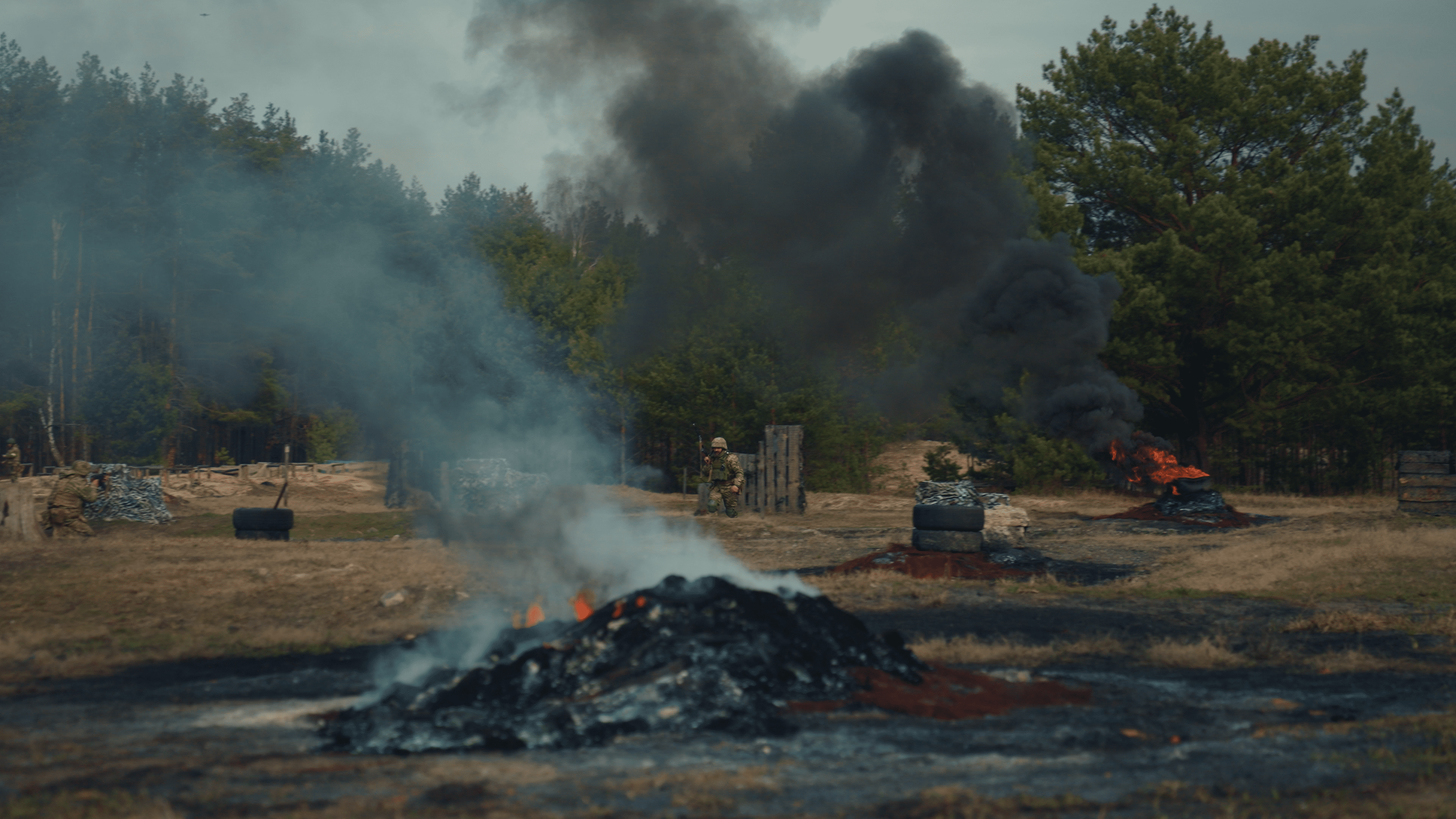
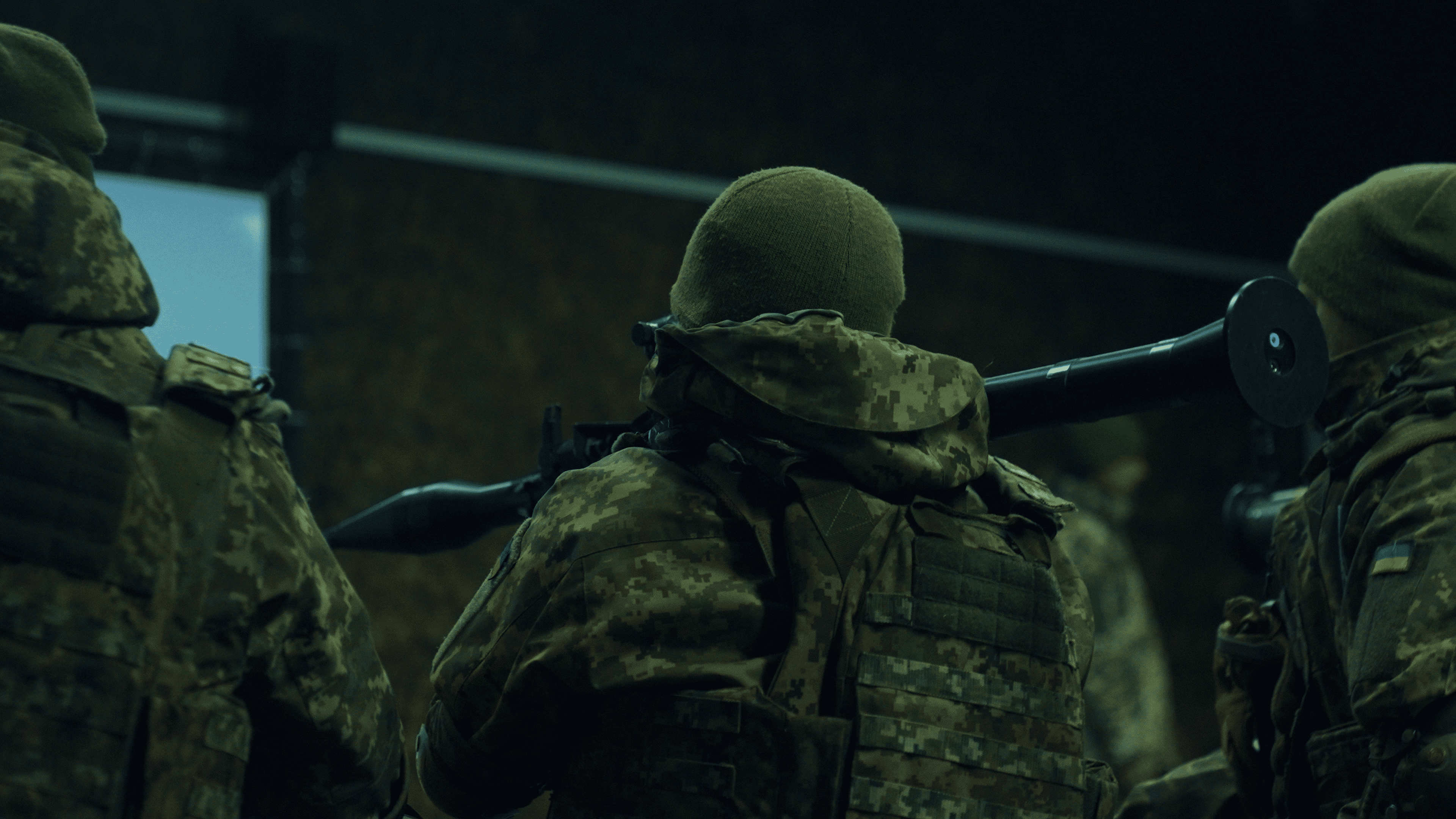
The first phase, however, is not about weapons. It is about adjustment. Recruits arrive from civilian life with little preparation for the routines and pressures of military service. Instructors begin with psychological adaptation, easing them into a system defined by discipline, hierarchy, and constant uncertainty. “During these initial days of training, psychologists work with them and conduct an adaptation course,” says Mykhailo. “It doesn’t start with the most intense activities right away… people gradually adapt and get into the rhythm.”
Even so, time remains the central limitation. “Of course, I’d like a little more time,” Mykhailo said when asked whether the current training cycle is sufficient. “They’re pulling you out of your comfort zone.” He estimates that a civilian needs roughly a month just to adjust to military life, suggesting that a three-month training cycle would be closer to ideal. Ukraine does not have that luxury.
Training for a drone war
In the early stages of the war, tens of thousands of Ukrainian troops were trained abroad, particularly in the United Kingdom and across Europe under programs like Operation Interflex. The training followed NATO doctrine, but the battlefield has evolved quickly, especially with the widespread use of drones, making parts of the training obsolete when confronted with Ukraine’s current conditions.
Today, Ukraine is increasingly conducting training domestically. The advantage is speed, but also relevance. Training inside the country allows instructors to adapt programs in real time, incorporating lessons from the front that would take months to filter into foreign curricula.
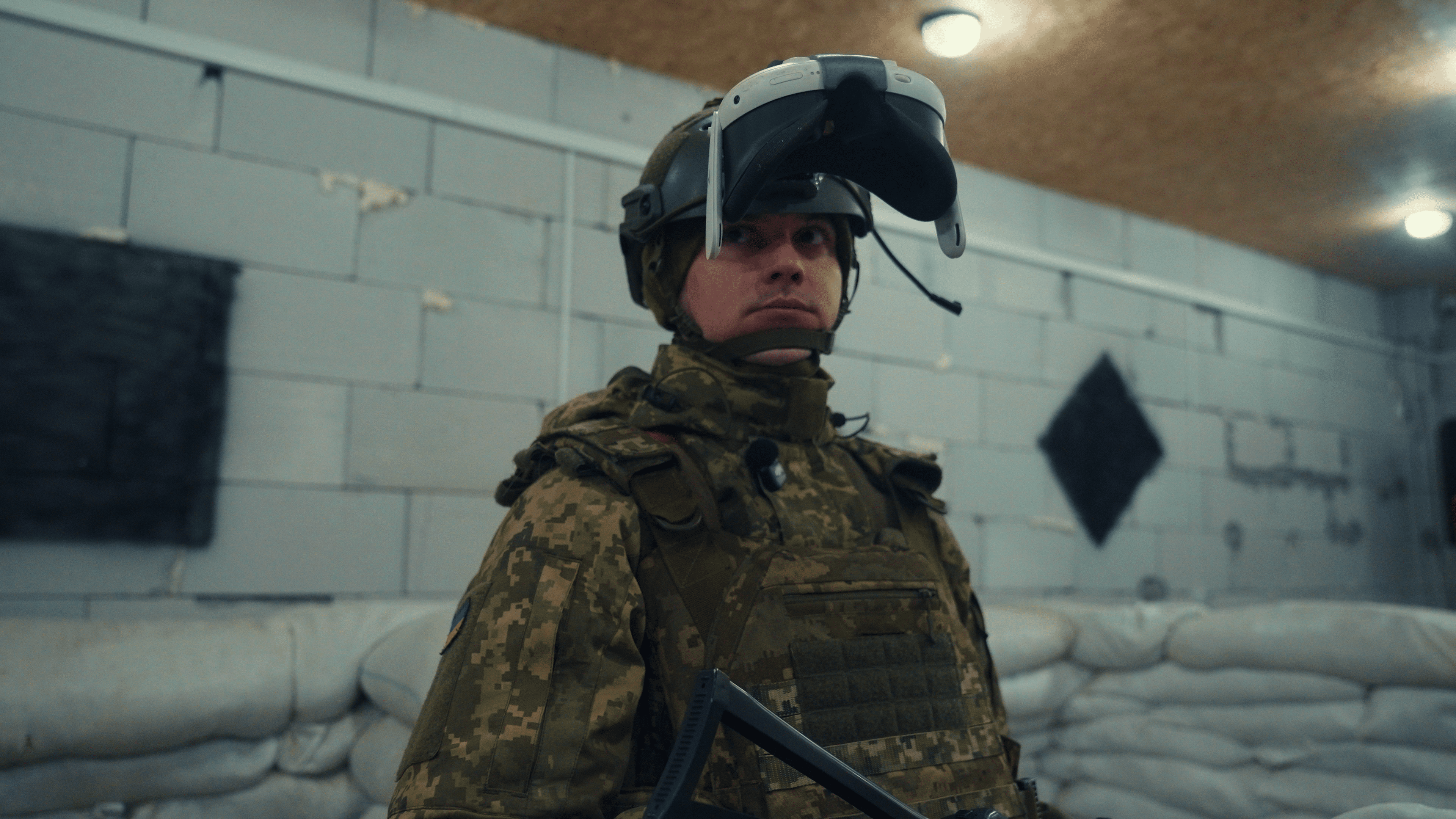
A large part of that adaptation comes from experienced soldiers rotating into instructor roles and passing on recent battlefield experience. One of the clearest shifts is the emphasis on drones, which now shape how soldiers move, hide, and survive.
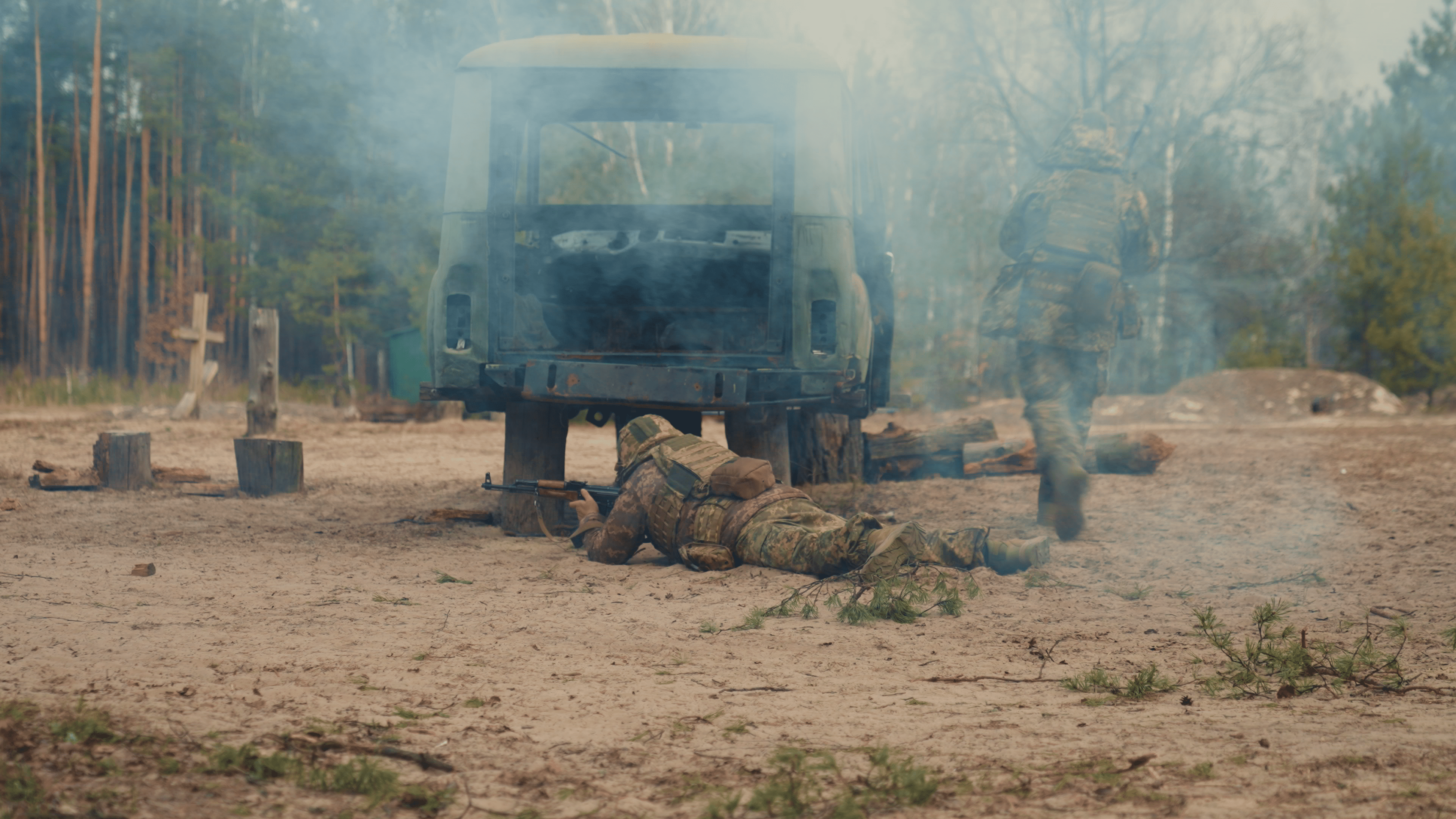
“We train their reaction to FPV drones and reconnaissance drones like Mavics,” says Fara, a drone instructor. “They need to understand how to act when they’re detected.” He describes how the war has evolved since 2022, from largely infantry- and urban-focused fighting to an environment where “many tasks are carried out by drones,” forcing training to adapt accordingly.
Kind of like a golf simulator
Ukraine's Ministry of Defense states fire training involves 137 hours over 12 days, encompassing 56 separate firing exercises with various weapons. Recruits are expected to fire over 900 live rounds in total. But where we were, most had only been in training for one to three weeks.
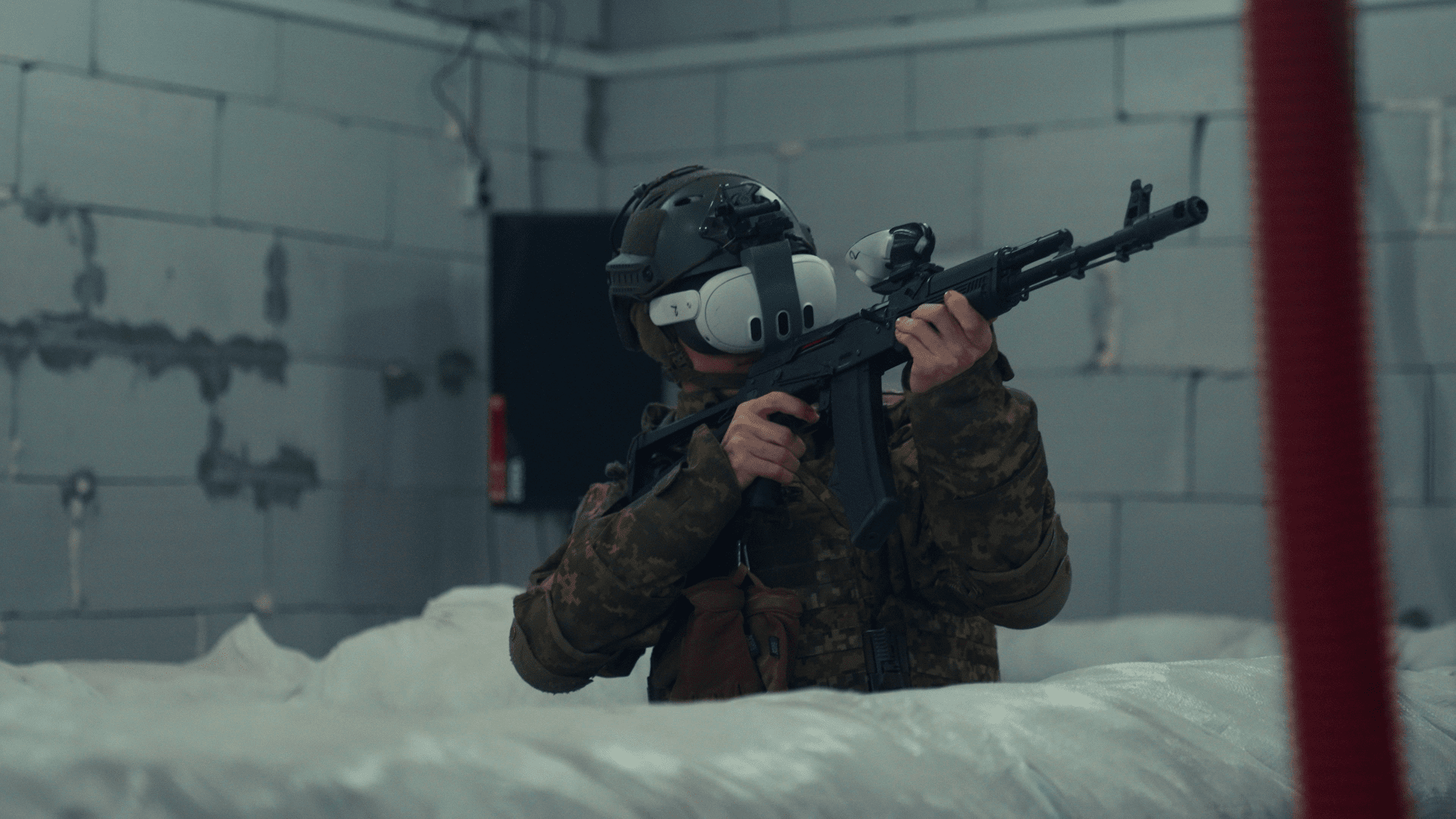
The focus was still foundational. Weapons handling was introduced, but much of the firing remained theoretical. Instead of live rounds, recruits trained on simulators—setups resembling golf simulators, but configured for machine guns and RPGs.
Recruits cycle through VR scenarios that place them inside trench defenses, forcing them to respond to waves of enemy infantry, drones, and incoming fire. Others watch a hyper-realistic 3D simulation, “First Battle,” through headsets, walking them through common mistakes and consequences in combat.
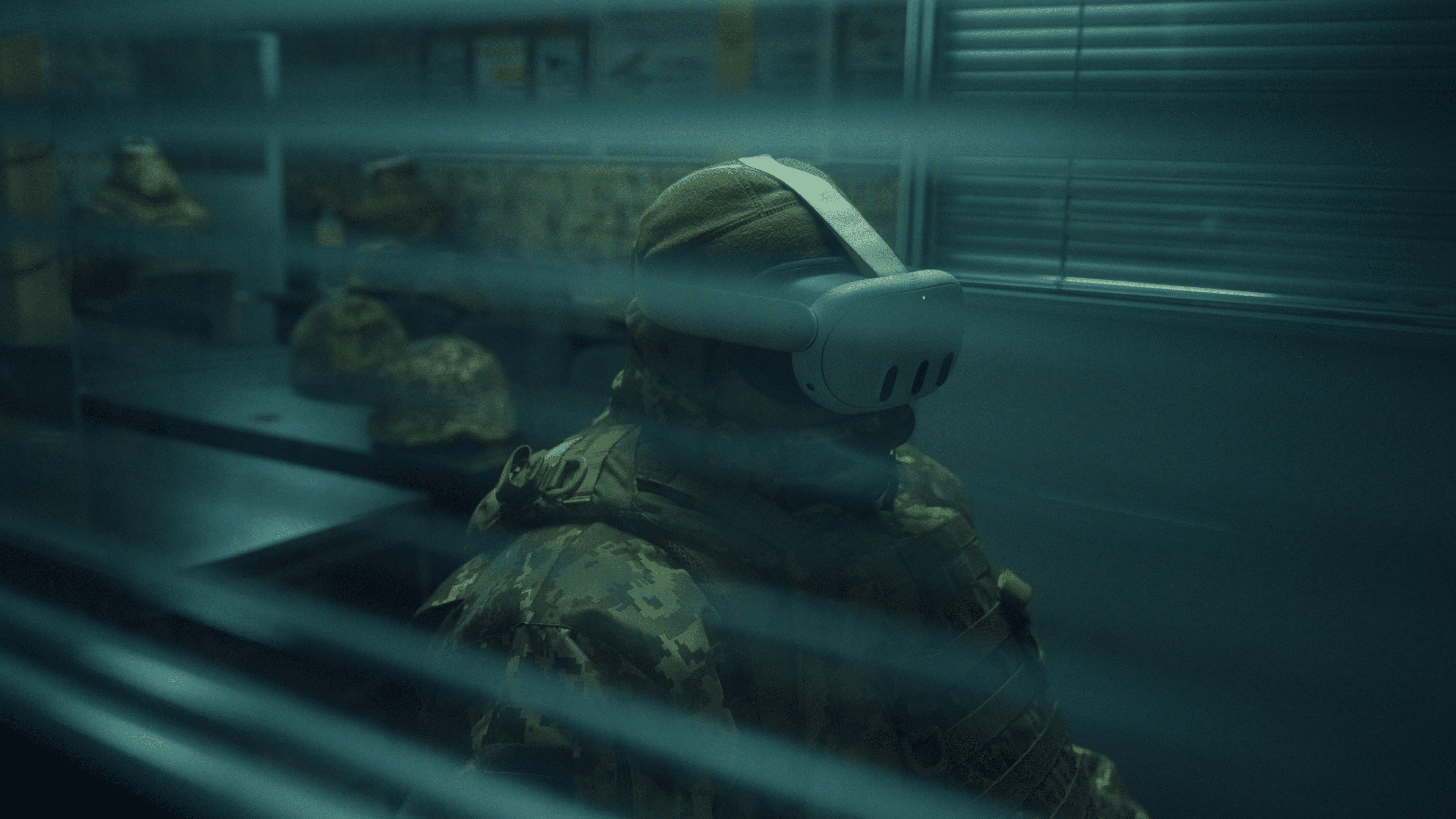
In time, these same recruits will advance to live-fire exercises and extended field training. For now, the system is merely preparing them for the next phase, where the conditions will be less controlled and far more real.
The future is underground
Simulations offer a pragmatic solution to the constraints of training during an active war. With facilities exposed, conditions unstable, and the environment unpredictable, the military can utilize controlled systems and live fire to effectively scale training, protecting recruits from undue overexposure and ensuring the continuity of the training process.

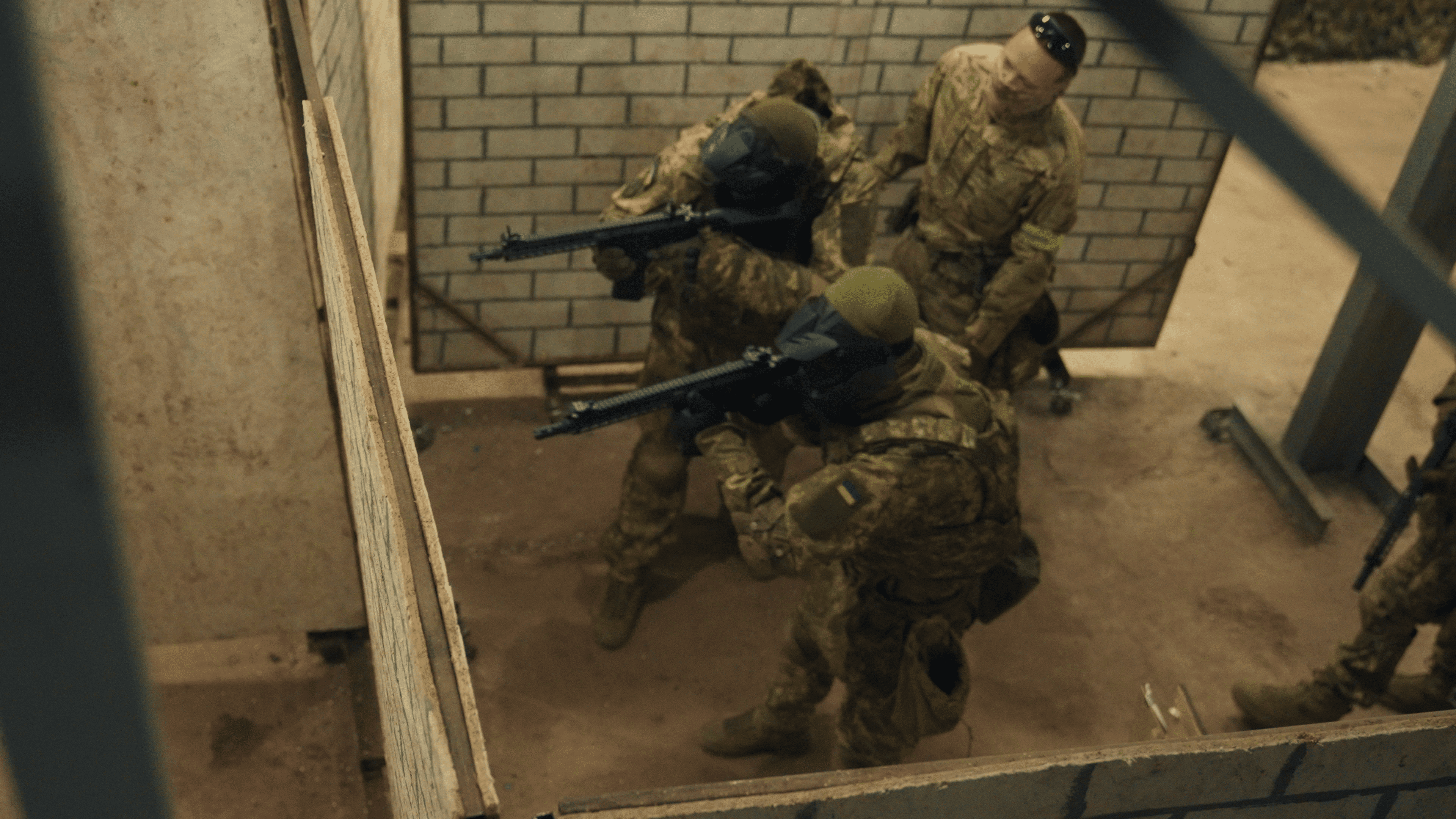
That same logic applies to infrastructure. Much of what we saw is already underground, or being moved there. Barracks, classrooms, and training areas are built below the surface to reduce visibility and vulnerability. Russia routinely targets concentrations of personnel with drones and missiles, making large-scale, brigade-level training inside the country difficult to sustain. At the facility, instructors described this as the future for military training across the world.
Organizations like the Come Back Alive Foundation have contributed to this shift, funding underground living quarters and classrooms designed to function during air raids and blackouts. We toured an entire system of barracks that officials say is currently under construction.


It is not a perfect solution. Training remains compressed, resources are finite, and risk cannot be eliminated. But the system reflects the reality Ukraine is operating in. It adapts where it can, and continues where it must.
Discuss this article:


-c439b7bd9030ecf9d5a4287dc361ba31.jpg "Photo of Katherina Popilnichenko")