- Category
- World
EU Weighs One-Year Russia Sanctions Renewal Cycle as Orbán Era Ends
 Prefer U24 Media on Google
- Authors

-111f0e5095e02c02446ffed57bfb0ab1.jpeg "Photo of Roman Kohanets")
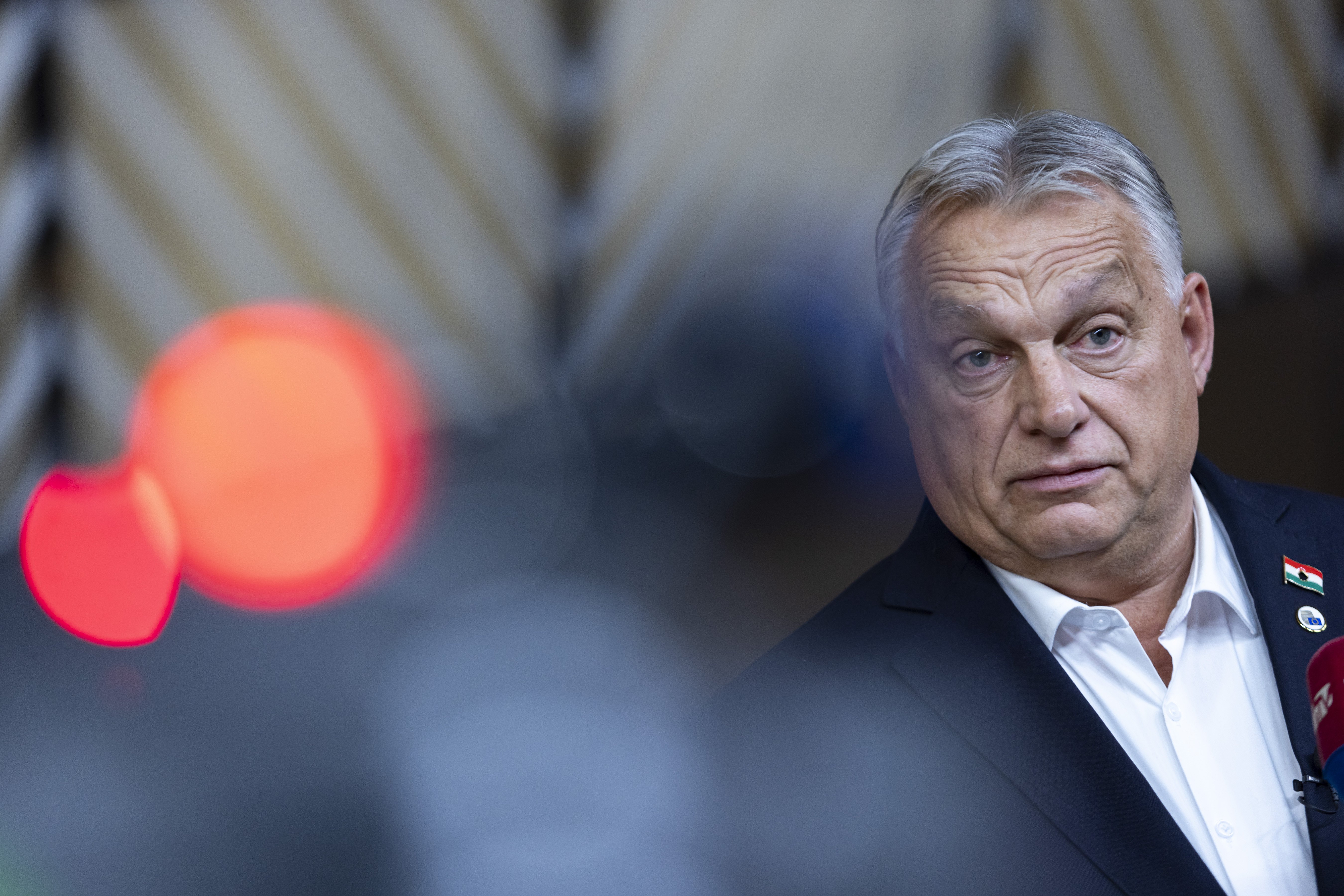
European Union leaders are preparing to discuss extending the bloc's timeframe for renewing sanctions against Russia from six months to one year, with the proposal set to come before a summit in Brussels in mid-June.
Politico reported the development on May 19, citing five diplomats and EU officials briefed on the closed-door discussions. They were granted anonymity to speak freely on a politically sensitive file.
We bring you stories from the ground. Your support keeps our team in the field.
The proposal emerged in private talks last week, with several diplomats from Northern European countries pushing for a longer rollover cycle. The EU will continue weighing the idea this week and next, ahead of a General Affairs Council scheduled for May 26.
Sanctions on Russia require unanimous backing from all 27 EU member states, meaning a single veto could collapse the existing 20 packages of measures designed to cripple Russia's war economy and squeeze the Kremlin's supporters.
Stretching the rollover to once a year would strengthen the regime's political and legal credibility while easing the administrative burden on Brussels.
-278ccb44f31eada82b3fb30301b152e6.jpg)
The proposal has gained traction following Hungary’s recent change in leadership after the departure of Prime Minister Viktor Orbán. Over the past four years, diplomats have had to confront the prospect of sanctions unraveling every six months, aware of the consequences both politically and on Ukraine's eastern front.
Orbán, whose 16-year rule ended in a defeat in last month's Hungarian national election, repeatedly used the renewal cycle to stymie political deals and foreign policy initiatives.
Before his loss in April, he stalled a major EU loan intended to finance the defense of cash-strapped Ukraine, accusing Kyiv of delaying repairs to a pipeline carrying Russian oil to Hungary and Slovakia.
The EU is reassessing its position following the leadership change in Hungary, as the bloc advances work on its 21st sanctions package against Russia. Two of the diplomats indicated a smaller package targeting Russia's shadow fleet could land before EU leaders arrive in June, and a third noted that the additional measures could also strike at the Russian defense industry.
-4b416d3e3e5d5a37a3203628ecfe5ef5.jpg)
The European Commission will offer EU capitals the option of extending the renewal process to 12 months or maintaining the current arrangement. European Council President António Costa is then expected to put the question to EU leaders next month.
The renewed momentum builds on the EU's late-April unblocking of two major files long stalled by the former Hungarian prime minister.
EU ambassadors gave preliminary approval on April 22 to a $105 billion loan for Ukraine. The formal written procedure was completed the following day, ahead of an EU summit in Cyprus on April 23-24.
The 20th package targets Russia's energy, banking and military-industrial sectors, though a full maritime ban on Russian oil shipments was deferred pending coordination with the G7.
Discuss this article:


-c439b7bd9030ecf9d5a4287dc361ba31.jpg "Photo of Katherina Popilnichenko")