- Category
- Latest news
EU Prepares First Stage of Ukraine Accession Talks After Orbán’s Defeat
 Prefer U24 Media on Google
- Authors

-72b63a4e0c8c475ad81fe3eed3f63729.jpeg "Photo of Cyril Barabaltchouk")
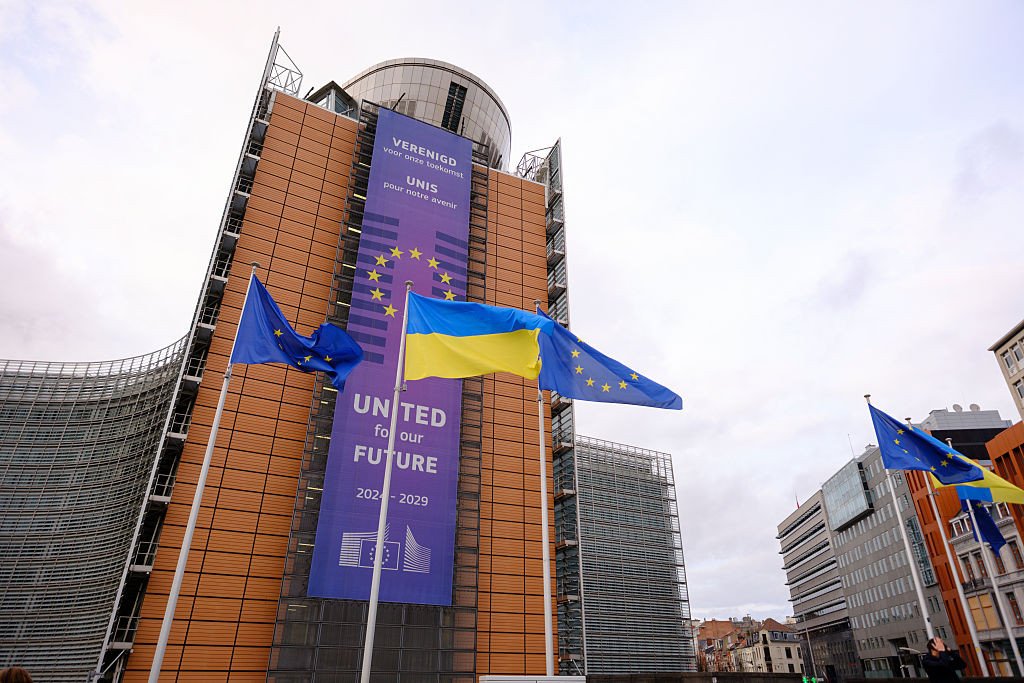
European Union leaders have signaled that the preliminary conditions are now in place for Ukraine to begin the first stage of the accession process, Bloomberg reported on April 23.
At a summit in Cyprus, officials agreed that initial accession negotiations could start in the coming weeks or months. This renewed push comes immediately after Hungary dropped its veto on a long-stalled €90 billion ($105 billion) loan to Kyiv. Member states agreed on a new package of sanctions against Russia.
We bring you stories from the ground. Your support keeps our team in the field.
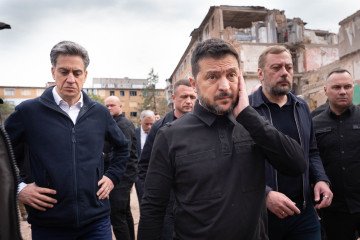
The diplomatic blockade was lifted following Hungarian Prime Minister Viktor Orbán’s recent election loss to Peter Magyar, who is expected to be sworn in as the country’s new leader in early May. Arriving at the summit, Ukrainian President Volodymyr Zelenskyy hailed the momentum, stating the decision is “not just a positive decision, it’s not about just words… It’s also about surviving.”
Despite clearing the Hungarian hurdle, securing a firm timeline remains a challenge. France and Germany recently prepared a proposal for what officials described as an “associate membership” model.
Under this tiered plan, Ukraine would gradually integrate into EU programs but would not have voting rights in the near term. Belgian Prime Minister Bart De Wever also expressed support for discussing an “onion model” of phased cooperation.
Zelenskyy firmly rejected the alternative proposals, insisting his country deserves full-fledged integration.
“Ukraine does not need symbolic membership in the EU,” Zelenskyy said in remarks provided by his office before arriving in Cyprus. “Ukraine is defending itself, and undoubtedly defending Europe as well.” Bloomberg noted that he has been pushing for a pledge to let Ukraine join as early as 2027 as part of a potential peace agreement with Russia.
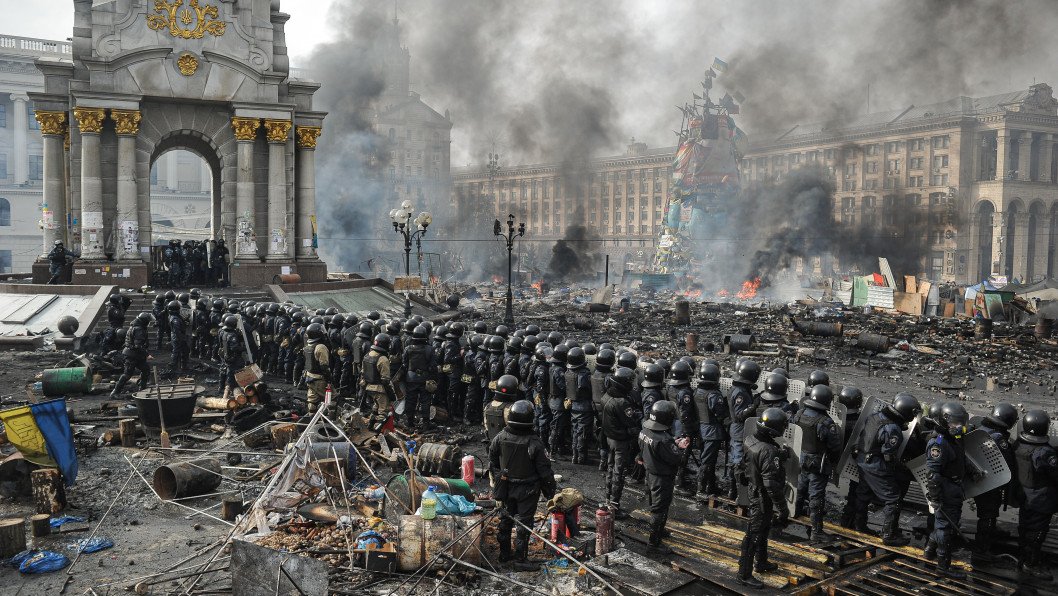
Finding consensus on a fast-tracked application will remain difficult due to deep-seated concerns among member states about the potential financial impact on the bloc’s budget, agriculture, and transportation sectors, according to Bloomberg.
While leaders like Estonian Prime Minister Kristen Michal insisted there is no alternative to full membership, Lithuanian President Gitanas Nauseda stressed the need for a merit-based approach, targeting 2030 as a more realistic date for a process that historically takes up to a decade to complete.
Ukraine’s advancing EU membership talks coincide with the anticipated release of the first tranche of a €90 billion ($105 billion) loan. The European Union could disburse the initial funds as early as late May or early June, covering Kyiv’s critical financial needs for 2026.
European Economic Commissioner Valdis Dombrovskis indicated the hold-up is expected to unlock following Orbán’s recent electoral defeat. Of the total package, €45 billion ($52.6 billion) is planned for this year, split between defense and general budget support. The remaining disbursements in 2027 are strictly tied to Ukraine implementing the legal and economic reforms required for full EU integration.
Discuss this article: