- Category
- Latest news
EU Prepares €90B Loan Package for Ukraine, First Funds Expected in Second Quarter of 2026
 Prefer U24 Media on Google
- Authors


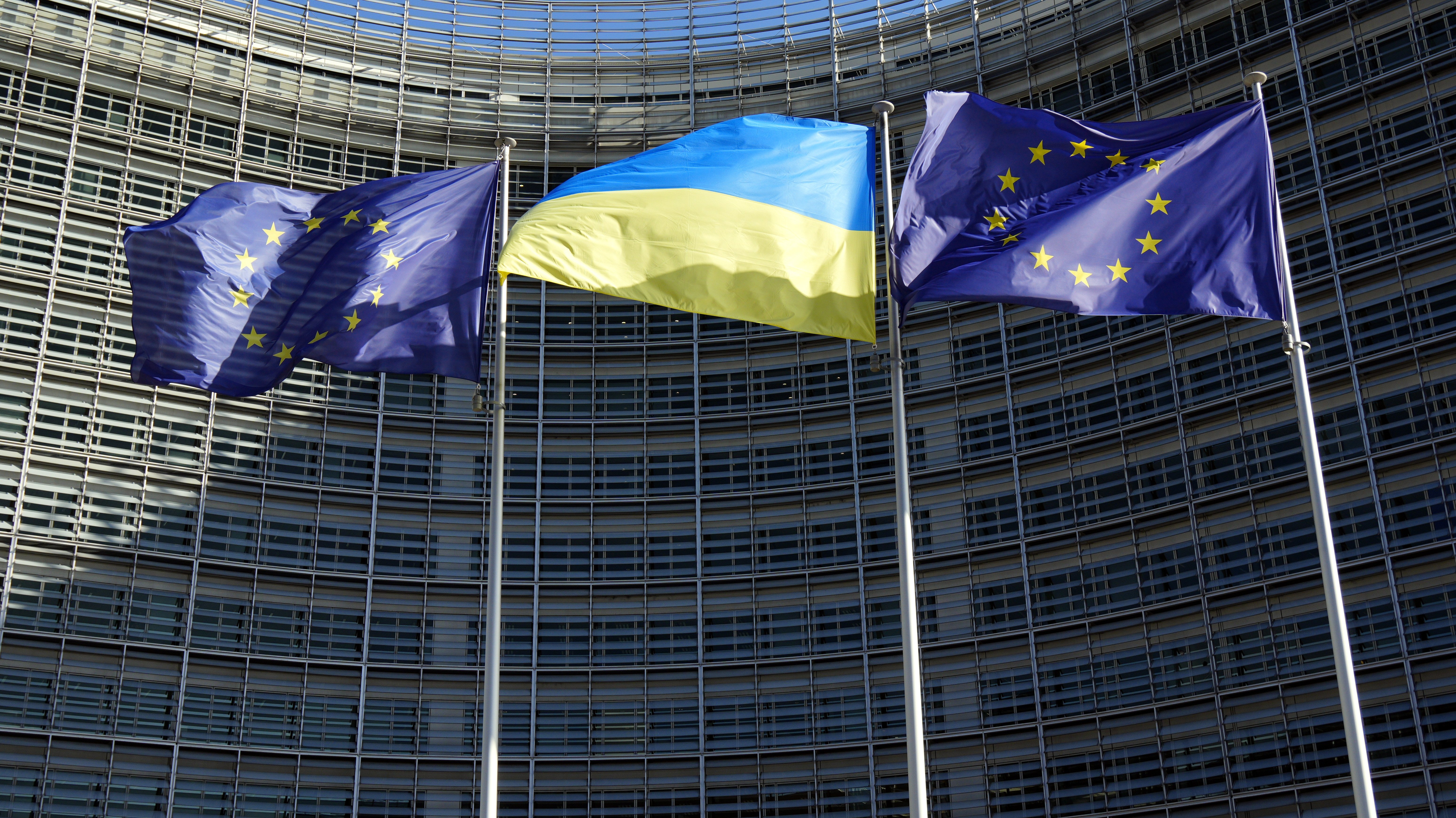
The European Union has prepared key elements of a €90 billion (around $97 billion) loan support package for Ukraine, with the first tranche expected to be disbursed in the second quarter of 2026.
This was reported by the European Commission spokesperson on April 14, according to the Ukrinform correspondent.
We bring you stories from the ground. Your support keeps our team in the field.
Speaking at a briefing in Brussels, Commission spokesperson Balázs Ujvári said that the Ukraine Support Loan mechanism has been established, alongside updates to the broader Ukraine Facility program covering 2024–2027.
He noted that technical work is ongoing to finalize the necessary framework for releasing the funds, including several core documents required to launch the disbursement process.
“We will have to finalize the memorandum of understanding, which will form the basis of the macro-financial assistance channel, we will have to update the plan for Ukraine, which underpins the Ukraine Facility, an important channel through which we intend to provide budgetary support to Ukraine, and, given that the package is based on a loan, we will have to develop a loan agreement,” Ujvári said.
He added that, once these steps are completed, the European Commission expects to deliver the first tranche of funding to Ukraine in the second quarter of 2026.
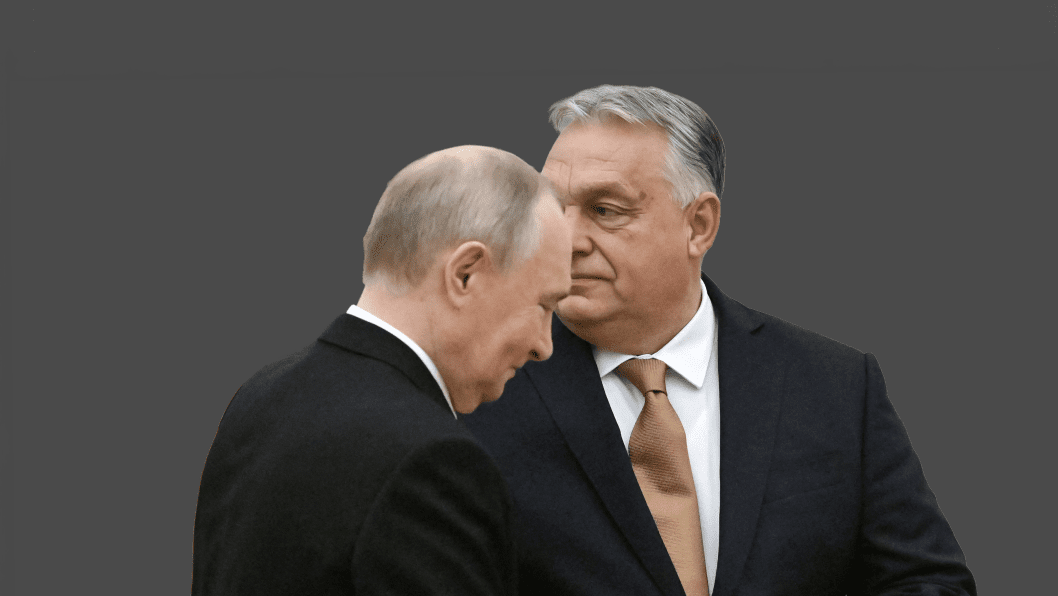
The progress on the loan package comes as Hungary’s incoming leadership signals it will not obstruct the initiative. Prime minister-designate Péter Magyar said Budapest would not block the EU’s €90 billion support mechanism for Ukraine, while confirming that Hungary itself would remain outside the program.
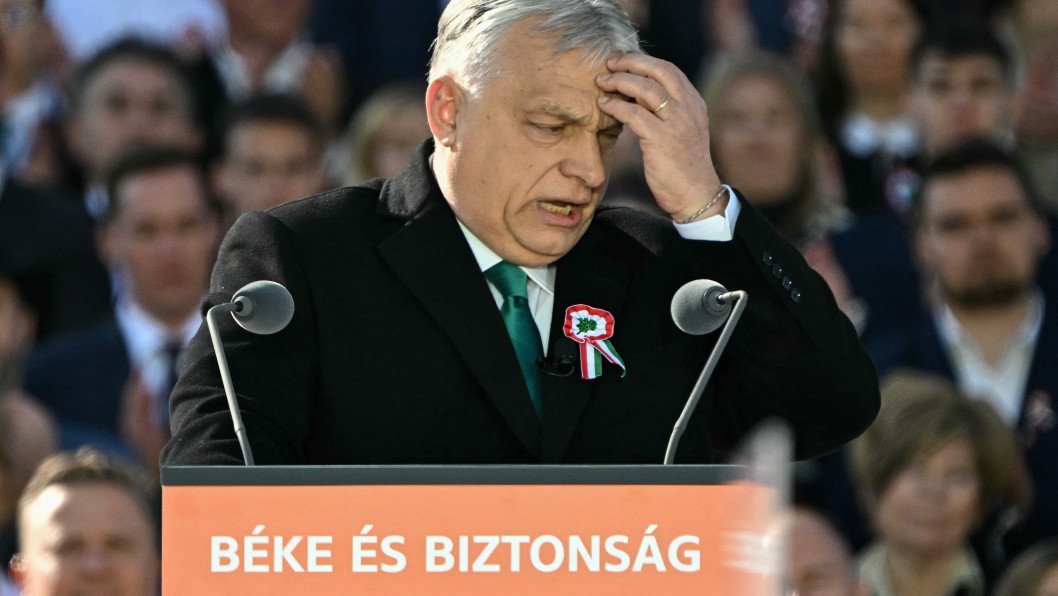
Speaking at a press conference in Budapest, Magyar addressed the issue of the loan, which had previously faced opposition under outgoing Prime Minister Viktor Orbán.
-223608190163598d0aa4f0d1fde74085.jpg)
“I am not sure what we are even talking about. Because in December, at the European Council meeting, Orbán voted for Hungary not to participate in this loan, and the European Council approved it. Hungary, Czechia, and Slovakia are not participating in the €90 billion loan, so it does not concern our country. That is how it was approved,” he said.
Magyar added that although he plans to discuss the matter with European partners, his position remains unchanged.
“Personally, I agree that Hungary should not participate in this mechanism. Hungary is in a very difficult financial situation, and our task is to bring back EU funds that belong to us. We cannot take on more loans. But the decision has already been made by the European Council in December, so I do not understand why this issue should be raised again,” he stated.
The loan initiative has also drawn attention in the United States, where lawmakers are considering measures in response to earlier delays linked to Hungary’s position. Two US senators are preparing legislation that would introduce sanctions against senior Hungarian officials over the obstruction of assistance to Ukraine.
The proposed bill, titled “Block Putin,” would reportedly target officials involved in facilitating Russian oil and gas purchases, as well as those seen as hindering Ukraine’s access to financial support.
The initiative is being led by Senators Jeanne Shaheen and Thom Tillis, who head the Senate’s NATO Observer Group and have repeatedly criticized Europe’s reliance on Russian energy.
Discuss this article:


-111f0e5095e02c02446ffed57bfb0ab1.jpeg "Photo of Roman Kohanets")



-72b63a4e0c8c475ad81fe3eed3f63729.jpeg "Photo of Cyril Barabaltchouk")