- Category
- Latest news
EU Freezes €16B To Rearm Hungary After Orbán Blocks Ukraine Funding
 Prefer U24 Media on Google
- Authors


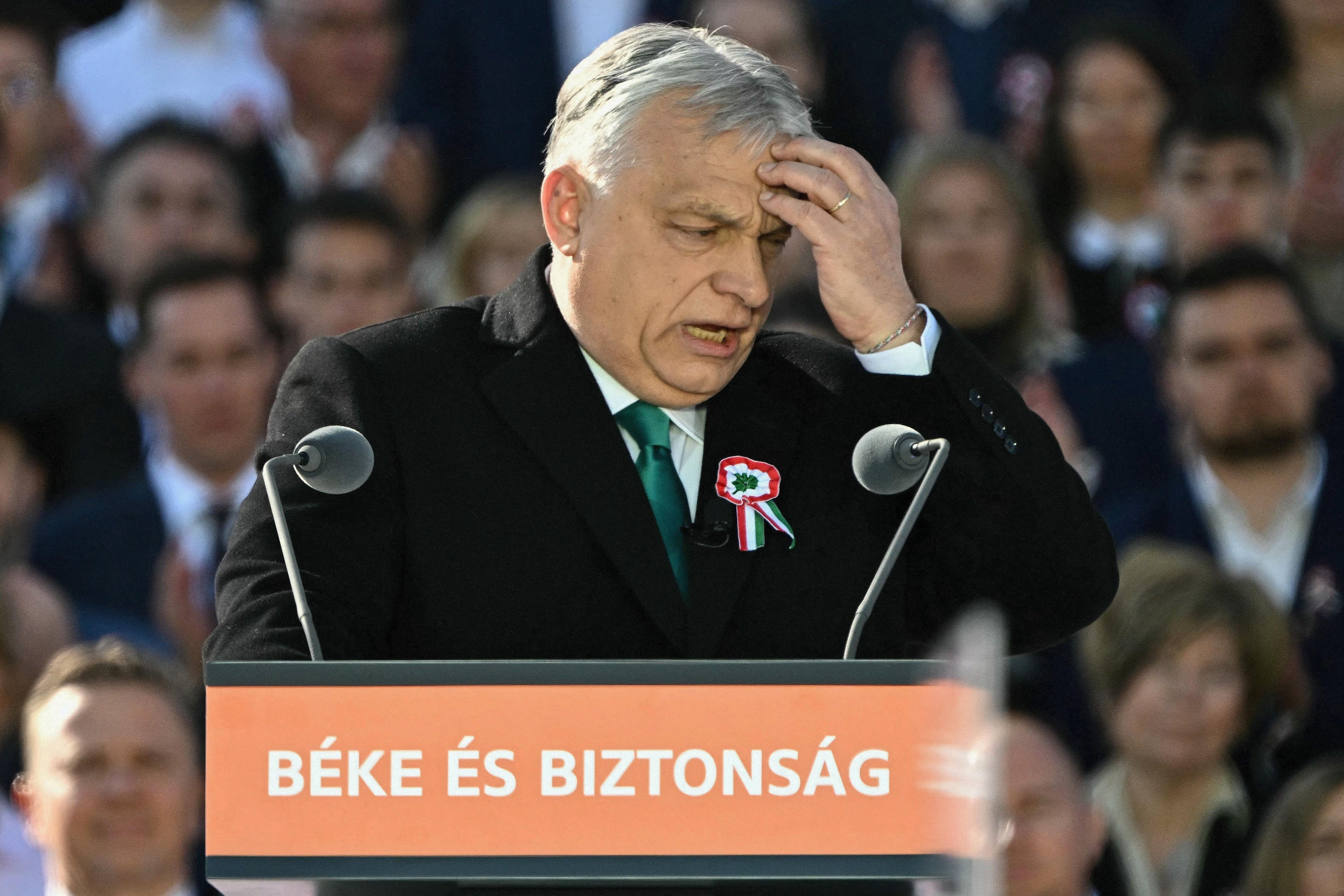
The European Union has effectively stalled approval of a €16 billion ($17.3 billion) defense loan for Hungary after Budapest blocked a separate €90 billion ($97.4 billion) financial package intended for Ukraine.
We bring you stories from the ground. Your support keeps our team in the field.
According to RMF24 on March 26, citing an EU diplomat, Hungary’s position on Ukraine funding has become a key obstacle in approving its participation in the EU’s SAFE (Security Action for Europe) rearmament program.
The diplomat stated that “the European Commission finds it difficult to agree to billions of euros for Viktor Orbán when he violates the principle of ‘loyal cooperation’ and blocks funding for a country at war with Russia.”
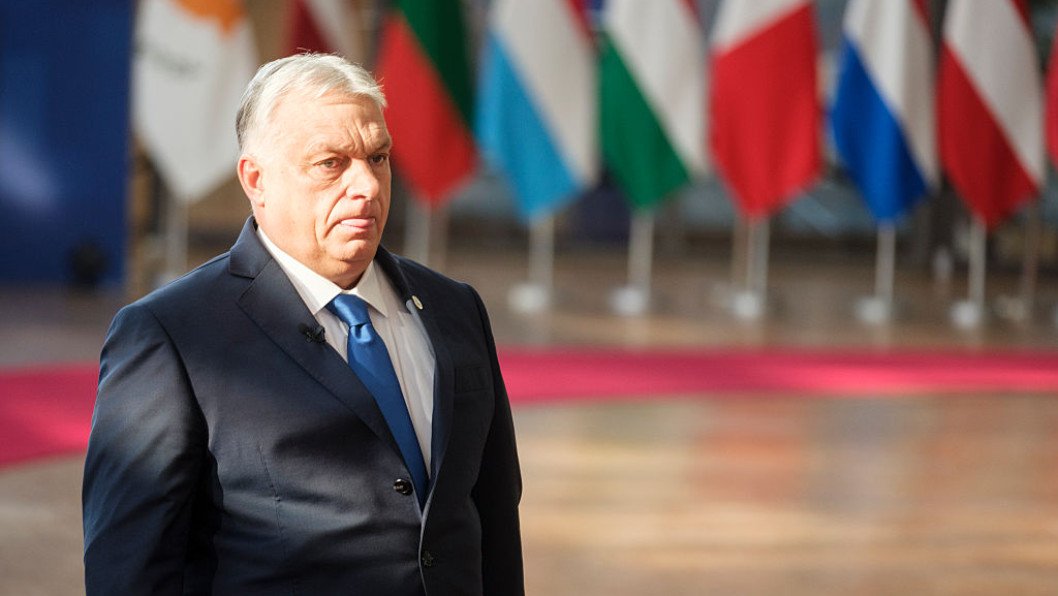
Officially, the European Commission maintains that Hungary’s plan remains under review. Commission spokesperson Thomas Regnier told European Pravda that the assessment process is ongoing and approval will follow once it is completed.
According to RMF24, Hungary is the only country among 19 applicants whose SAFE funding plan has not been approved. Budapest has requested more than €16 billion ($17.3 billion) under the program, which provides low-interest loans for defense procurement, primarily focused on European-made military equipment.
The delay comes after Hungarian Prime Minister Viktor Orbán confirmed on March 19 that Budapest would continue blocking EU decisions favorable to Ukraine. He linked Hungary’s position to the suspension of Russian oil transit via the Druzhba pipeline, stating that support for Ukraine would remain blocked until supplies are restored.
-278ccb44f31eada82b3fb30301b152e6.jpg)
The €90 billion ($97.4 billion) package for Ukraine—planned for 2026–2027—allocates approximately €60 billion ($65 billion) for military needs. Ukrainian authorities have indicated that part of the funding could be used to procure Swedish Gripen fighter jets and other critical defense equipment, including purchases outside the EU.
The SAFE program has gained traction among EU member states seeking to rapidly expand defense capabilities in response to Russia’s war against Ukraine. However, Hungary’s veto has also extended beyond financial aid, with RMF24 reporting that Budapest continues to delay the adoption of the EU’s 20th sanctions package against Russia.
Hungary had already escalated tensions with Kyiv by seizing Ukrainian state funds and linking their return to the resumption of oil transit via the Druzhba pipeline, underscoring Budapest’s use of financial leverage in disputes with Ukraine.
Discuss this article:
-9a7b3a98ed5c506e0b77a6663f5727c5.png)

-72b63a4e0c8c475ad81fe3eed3f63729.jpeg "Photo of Cyril Barabaltchouk")
-1e2b00aa06eeb4887728b6b94f4c81fc.jpg "Fire breaks out in a non-residential outbuilding and a private residential home after Russian shelling in the Shevchenkivskyi district, in Kyiv, Ukraine on October 15, 2026. (Source: State Emergency Service/Getty Images)")

-111f0e5095e02c02446ffed57bfb0ab1.jpeg "Photo of Roman Kohanets")