- Category
- Latest news
Russia Faces Record $109 Billion Business Debt Amid War Against Ukraine, Federal Budget Cuts, and Fiscal Reforms
 Prefer U24 Media on Google
- Authors


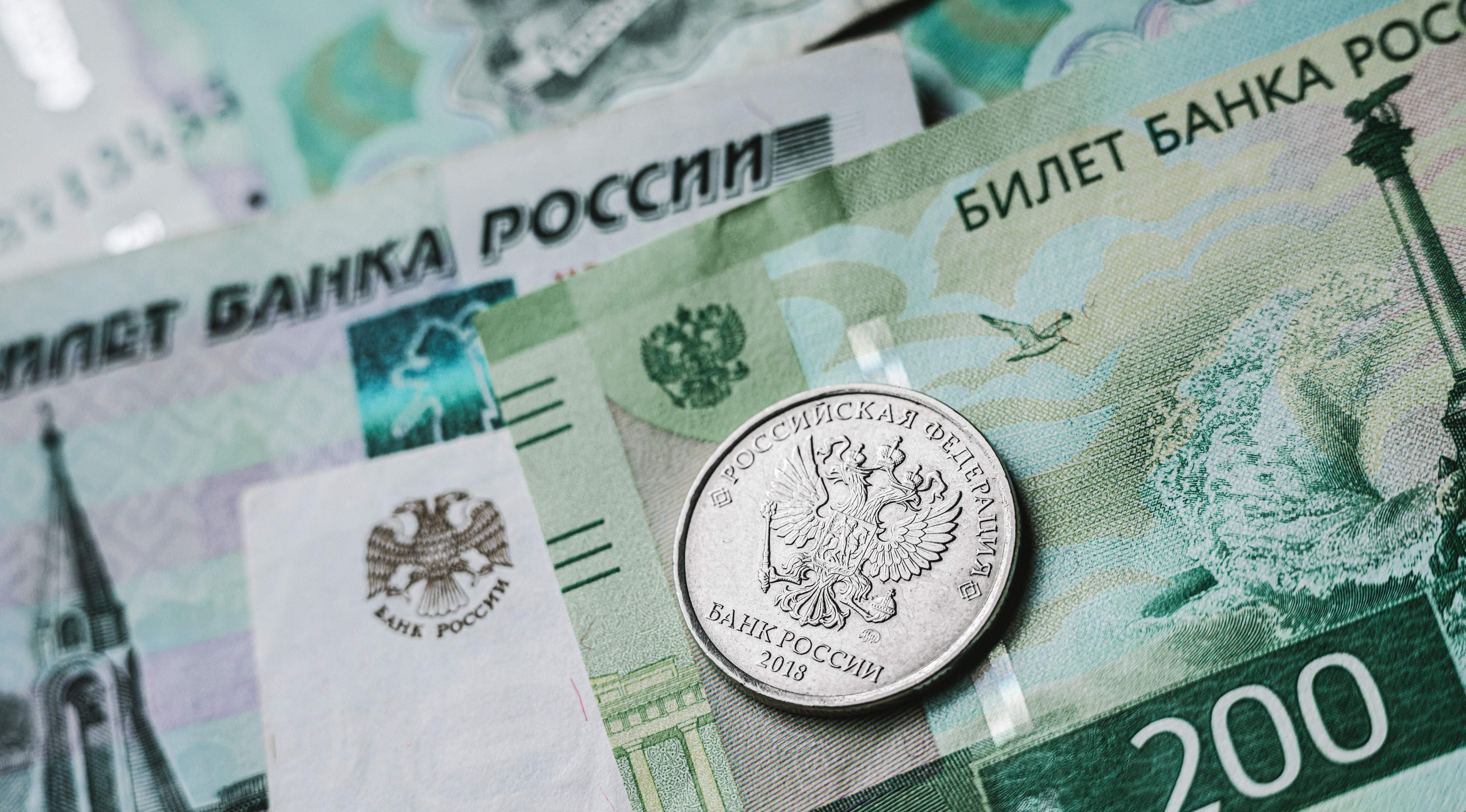
The Russian economy is descending into a full-scale non-payment crisis as a GDP downturn, falling demand, and aggressive tax hikes take their toll.
According to The Moscow Times, citing Rosstat data on April 21, overdue business debts to suppliers and contractors reached a staggering around $109 billion by the end of January. Inter-company arrears jumped 21% over the past year, setting a nominal record.
We bring you stories from the ground. Your support keeps our team in the field.
This financial hole now represents 3.8% of Russia's GDP, an amount equivalent to one-fifth of the federal budget or roughly 15 times the annual budget of wealthy regions like the Krasnodar Krai.
The manufacturing sector and the trade industry account for the bulk of the defaults. Manufacturing alone saw its debt grow by $13.3 billion in 2025, reaching a total of about $39 billion
Within the industrial sector, the most severe impacts were felt by petroleum producers, who are missing nearly $21.5 billion in expected payments, and aluminum producers, whose arrears nearly doubled to approximately $4 billion Additionally, transport and equipment manufacturers saw non-payments rise by another $2.3 billion.
Natalia Orlova, chief economist at Alfa-Bank, attributes this surge in debt to the government’s recent fiscal policies. On January 1, 2026, the Russian government hiked VAT to 22%, revised social insurance contributions, and lowered the threshold for the simplified taxation system.
Representatives from the OPORA Russia association previously noted that systematic payment delays for goods and services are most frequently caused by major state-owned corporations, with wait times lasting up to a year.
“It can be said that small businesses are providing credit to key sectors of the economy and large corporations. Given the current interest rates, payment delays turn government contracts into financially loss-making projects,” emphasized Ellina Nikolaeva, a representative of the organization, according to The Moscow Times.
According to the previous assessment by Ukraine’s Foreign Intelligence Service Russia is moving to implement a new windfall tax on major corporations to mitigate the economic pressures of its ongoing war.
While Russian oligarchs had previously suggested making voluntary payments to the state budget to help fund military operations, the Kremlin is now shifting toward a compulsory excess profits tax.
The intelligence report indicates that the Russian government intends to calculate this tax based on corporate earnings from 2025. The new proposal suggests a rate that could hit 20%, which is twice the amount demanded during the previous windfall tax initiative in 2023.
Discuss this article: