- Category
- Latest news
Russia Needs a Sustained $100 Barrel to Bridge Its War Budget Gap, Sweden Reveals
 Prefer U24 Media on Google
- Authors


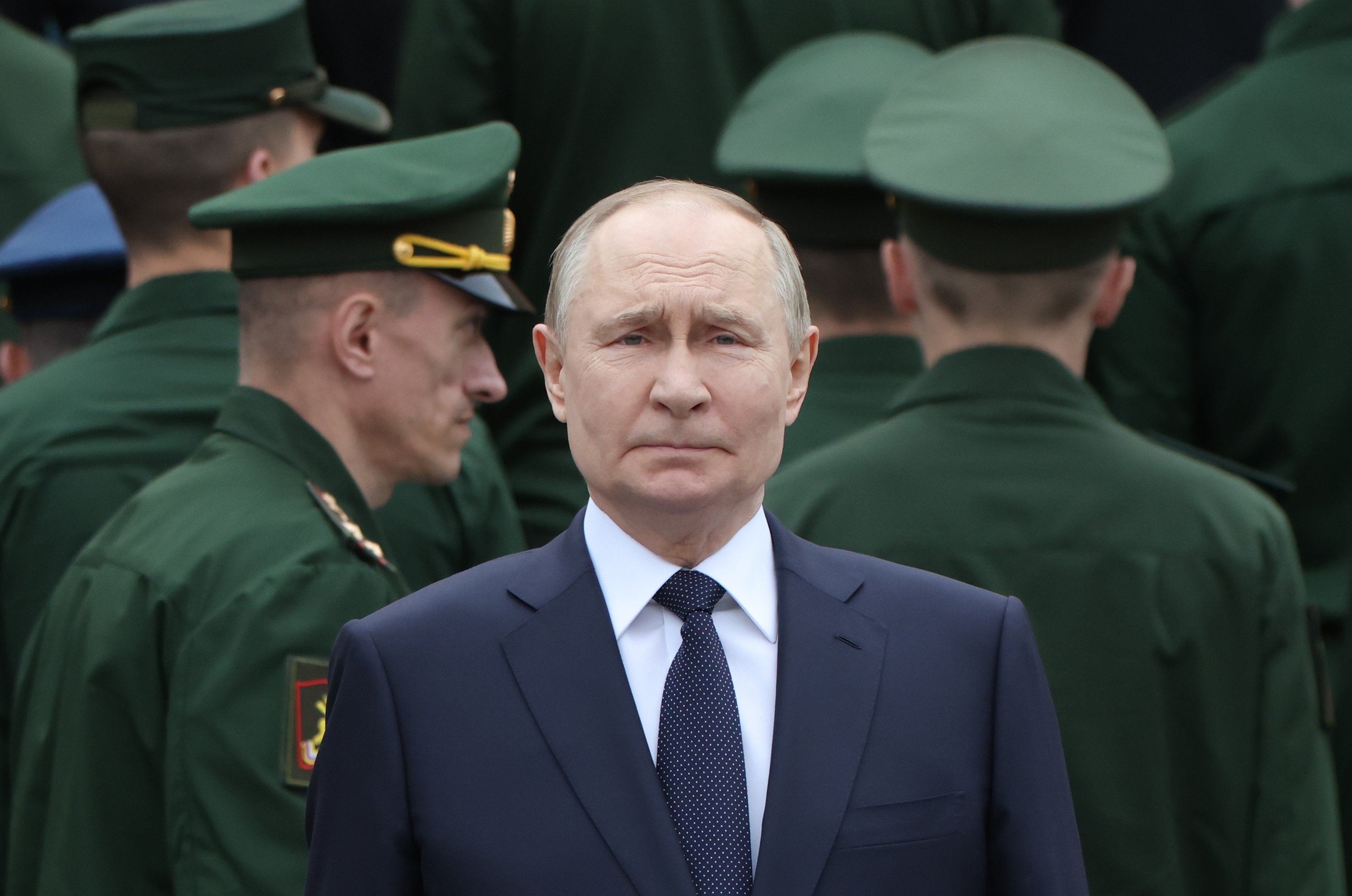
Russia’s wartime economic model is showing mounting signs of strain, even as higher global oil prices temporarily boost state revenues, according to the Financial Times on April 20.
Thomas Nilsson, head of Sweden’s Military Intelligence and Security Service, said in remarks reported by the Financial Times that Russia would need its flagship Urals crude to remain above $100 per barrel for at least a year just to close its budget gap—and significantly longer to stabilize broader economic imbalances.
We bring you stories from the ground. Your support keeps our team in the field.
While rising oil prices linked to tensions in the Middle East have provided Moscow with a short-term financial cushion—potentially generating up to $150 million in additional daily revenue—Russian leader Vladimir Putin has acknowledged that the country’s economic performance remains below expectations.
According to Nilsson, the underlying structure of Russia’s economy remains fundamentally fragile. “They still have a systemic problem,” he said. “It’s not a sustainable growth model to produce material for the war that is then destroyed on the battlefield.”
The war effort has increasingly dominated Russia’s economic activity, with defense spending driving much of the country’s limited growth. However, Nilsson noted that this expansion is uneven and concentrated in select sectors, particularly unmanned systems and long-range strike capabilities.
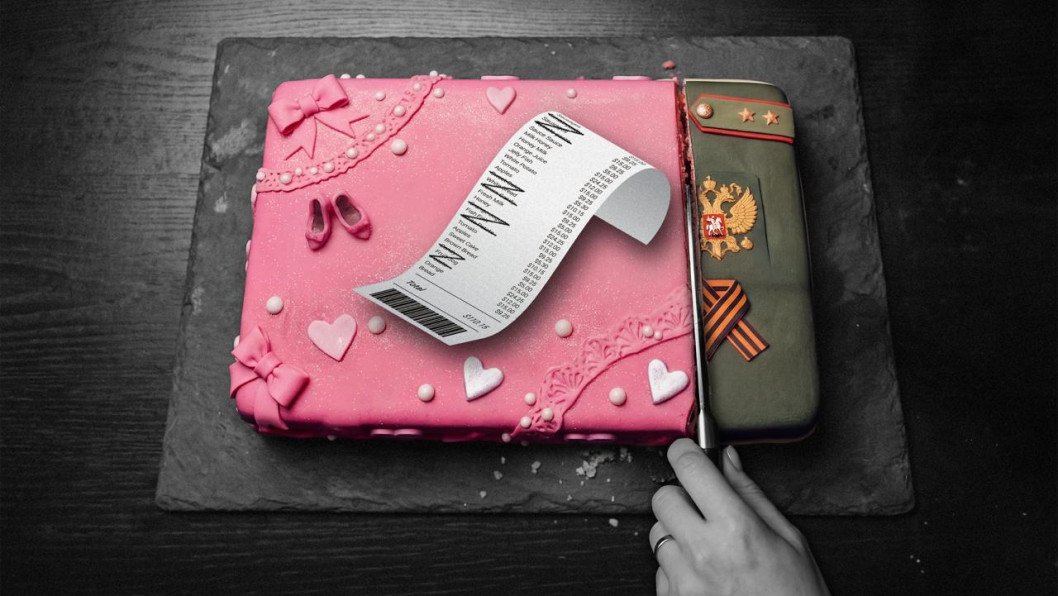
Outside these priority areas, much of Russia’s military-industrial base is reportedly struggling. According to insights shared with the Financial Times, parts of the sector are operating at a loss, heavily reliant on state-backed lending, and affected by persistent corruption and inefficiencies.
Swedish intelligence also believes that Moscow may be deliberately presenting an overly optimistic picture of its economic resilience. Nilsson told the Financial Times that data manipulation could be aimed at convincing Western governments that Russia has successfully adapted to sanctions and prolonged war spending.
Even official Russian figures point to emerging difficulties. Economic output contracted by 1.8 percent in the first two months of the year, including declines in key industrial sectors tied to the war effort. At the same time, Central Bank Governor Elvira Nabiullina warned—in statements highlighted by the Financial Times—that external conditions for both exports and imports continue to deteriorate.
Nilsson argued that the real situation may be worse than official statistics suggest. He indicated that inflation could be closer to the central bank’s key interest rate of 15 percent rather than the reported 5.86 percent—a gap that underscores deeper structural issues.
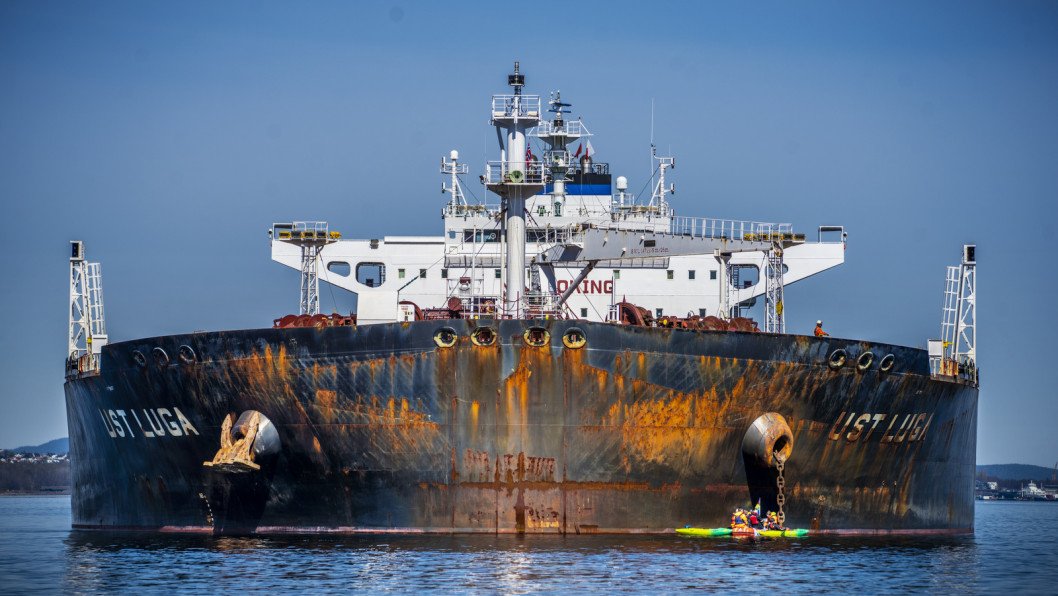
Additional concerns include the possibility that Russia is understating its budget deficit by tens of billions of dollars, alongside early warning signs of stress within the banking system, according to assessments referenced by the Financial Times.
“If you have created a system like Putin has, he might not know how bad the economic situation really is,” Nilsson said. “But even with the false info he gets, you ultimately can’t run from all of this.”
While some international forecasts suggest inflation could stabilize later this year, Swedish intelligence takes a far more pessimistic view. Nilsson described Russia’s economic trajectory as unsustainable, warning that it faces a choice between prolonged decline or a more abrupt financial shock.
European officials are increasingly urging stronger action to exploit these vulnerabilities. Sweden has called on EU partners to move forward with additional sanctions and expand support for Ukraine, arguing that current measures fall short of their full potential, as reported by the Financial Times.
Despite mounting economic pressure, Nilsson emphasized that Moscow’s strategic objectives remain unchanged. Russia continues to pursue broader territorial ambitions, viewing diplomatic efforts as a means to buy time rather than a genuine path to settlement.
Still, he stressed that economic constraints will inevitably shape how the war is fought. “Even if the serious problems in the Russian economy won’t change the Russian leadership’s strategic goals… it will affect how they can pursue those goals,” he said.
Earlier, reports emerged that Russian entrepreneurs were increasingly pessimistic about the future of the economy, as 83.3% of companies expect conditions to worsen over the next year.
Discuss this article: