- Category
- Latest news
Russia’s Science Funding Drops Below 1% of GDP, Falling Behind Globally
 Prefer U24 Media on Google
- Authors

-c439b7bd9030ecf9d5a4287dc361ba31.jpg "Photo of Katherina Popilnichenko")
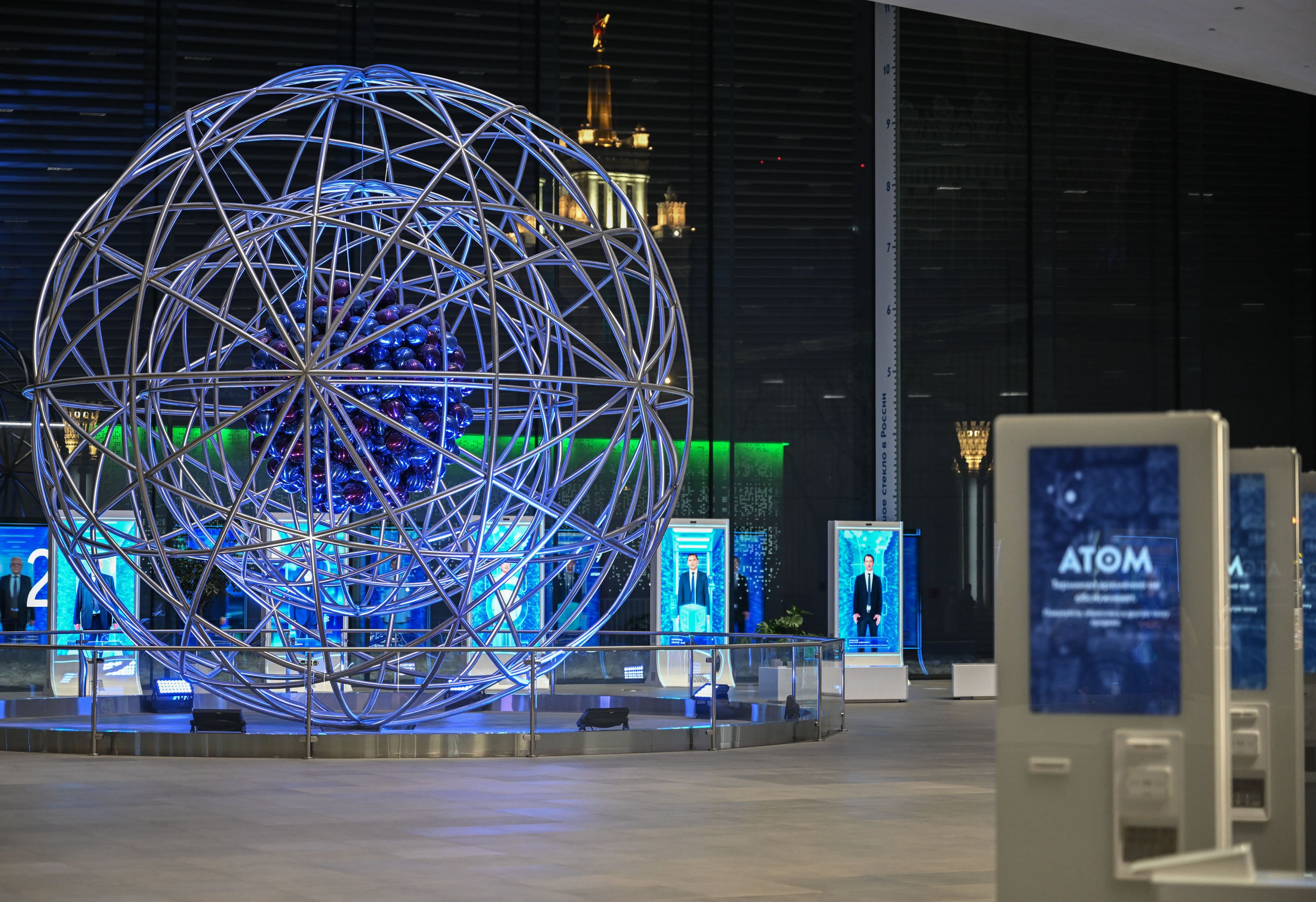
Russia’s domestic spending on research and development has fallen to 0.97% of its GDP, placing it behind Malaysia (1.01%), Egypt (1.03%), and Lithuania (1.05%).
These figures were published by the HSE Institute for Statistical Studies and Economics of Knowledge in its 2026 statistical yearbook, "Indicators of Science."
We bring you stories from the ground. Your support keeps our team in the field.
The data shows a significant gap between Russia and global leaders in research funding. Israel leads the world by allocating 6.35% of its GDP to R&D, which is more than six times Russia's share.
Russia also trails South Korea (4.96%), Taiwan (3.97%), and several European nations, including Sweden, Germany, and Switzerland, which spend three to three and a half times more than Russia.
Total research expenditures in the Russian economy reached $25 billion in 2024, with the federal budget providing approximately 36%, or $9.2 billion. Government spending on civil science has dropped to 0.36% of GDP, marking the lowest level in at least 15 years.
This figure stood at 0.51% in 2010 and reached a peak of 0.58% in 2013. In 2021, prior to the war, budget allocations for science were at 0.47% of GDP, but they have decreased by 25% since Russia’s full-scale invasion of Ukraine.
This decline in funding is reflected in international rankings. As of 2025, no Russian university is included in the top 100 of the Leiden University global ranking for scientific research. Lomonosov Moscow State University remains the highest-ranked Russian institution at 227th place, a drop of 29 positions since 2021.
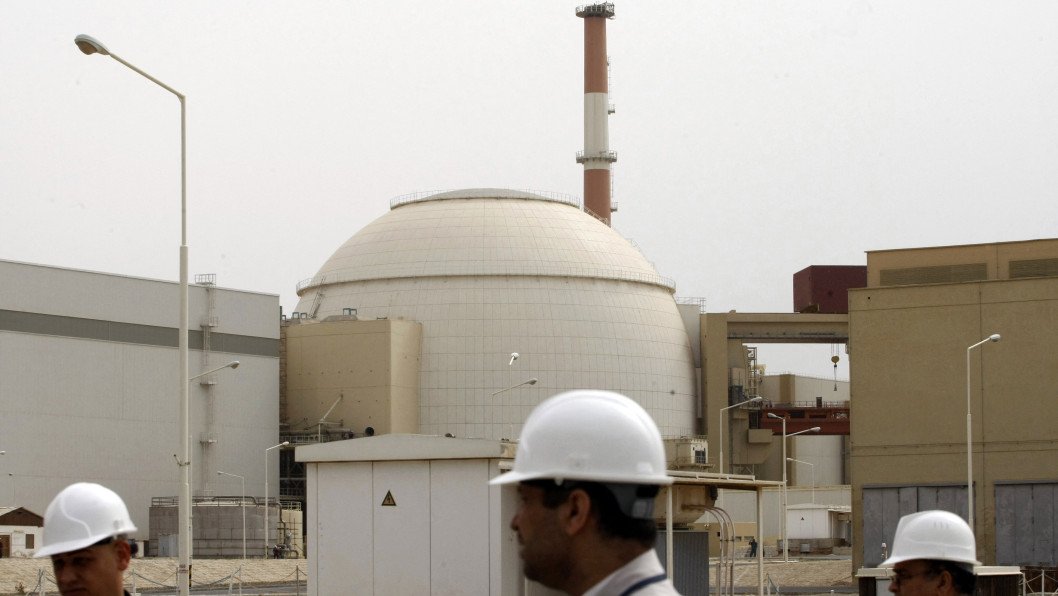
Scientific output has also reached its lowest point since 2017. In 2024, Russian researchers published 100,900 articles and reports in journals indexed by Scopus, which is 8% less than the previous year and 24% less than in 2021.
Over the last four years, Russia’s share of global publications in physical sciences dropped from 7.81% to 4.01%, and in mathematics from 4.86% to 2.01%. In the fields of electronics and IT, the share fell from 3.42% to 1.49%.
Innovation is following a similar downward trend, with the number of new inventions decreasing by 25% since the start of the war. In 2024, Russia issued 21,608 patents, which is 7,100 fewer than in 2020. Consequently, Russia has lost its leading positions in mathematics and physics, falling to 7th and 8th place globally in terms of publication volume.
Experts suggest this is not a sudden collapse but a long-term trend of losing human capital that began in 2015. Olga Orlova, editor-in-chief of T-invariant, noted that Russia's higher education system was highly integrated into the global market before the invasion.
“One of the reasons for leaving is political disagreement with what is happening in the RF, including fears for one's own freedom,” said biologist Alexander Panchin, who has been working abroad since 2022. “Quite a few cases, including criminal ones, were initiated against scientists.”
On April 6, a significant disruption impacted the Russian internet, affecting major banks, mobile service providers, and government portals. Monitoring services reported that the outage struck entities such as Rostelecom, Alfa-Bank, and the state services portal, while users also faced difficulties accessing Sberbank and Gazprombank.
Experts noted that the failure likely resulted from the overstrain of technical tools managed by the state regulator, which struggled to process an increasing volume of blocking rules.
This incident followed a pattern of large-scale infrastructure failures and frequent regional shutdowns recorded throughout the previous year.
Discuss this article: