- Category
- Latest news
Russia Turns to Arabic Telegram Channels to Spread Anti-Ukraine Disinformation
 Prefer U24 Media on Google
- Authors



The Kremlin is attempting to purchase placements on Arabic-language Telegram channels as part of a broader information campaign targeting Ukraine.
This was reported by Ukraine’s Center for Strategic Communications SPRAVDI on April 7.
We bring you stories from the ground. Your support keeps our team in the field.
The center reported that administrators of Telegram channels focused on Arab audiences have begun receiving requests to publish anti-Ukrainian video content. These proposals typically include ready-made materials that can be posted as if they were independent news reports.
According to SPRAVDI, the outreach is carried out through intermediary accounts. “Ksenia,” operating from an account named “Tsukerok,” has reportedly contacted Arabic bloggers with offers to publish videos alleging that Ukraine has failed to uphold agreements with Arab countries affected by Iranian-made Shahed drone strikes.
“The scheme is simple: the Kremlin prepares fake content and then pays for its placement on Arabic channels so that it appears to be the organic opinion of the local audience,” the center stated.
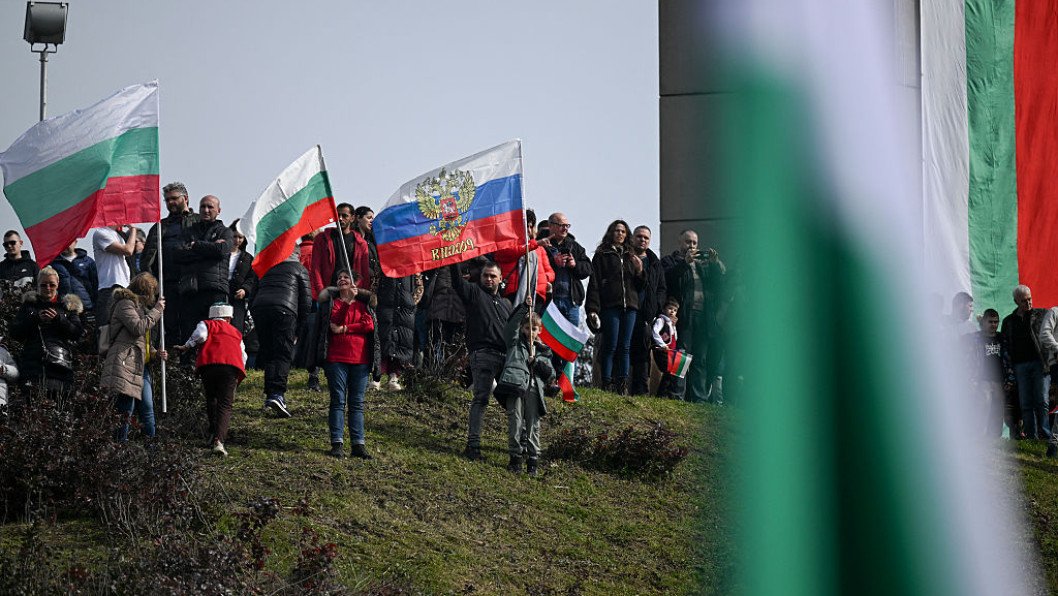
Ukrainian officials say such efforts are part of a wider strategy by Russia to shape narratives abroad and undermine Ukraine’s international standing through coordinated disinformation campaigns.
As SPRAVDI emphasized, “Russians are shocked by the success of Ukrainian diplomacy in the Gulf—and are resorting to the only thing they are good at: discreditation.”
The reported efforts to influence foreign audiences through social media come alongside a broader expansion of Russia’s domestic propaganda infrastructure, particularly targeting younger generations.
According to Ukraine’s Center for Countering Disinformation, Russia is increasingly integrating media training into the activities of its youth paramilitary organizations.
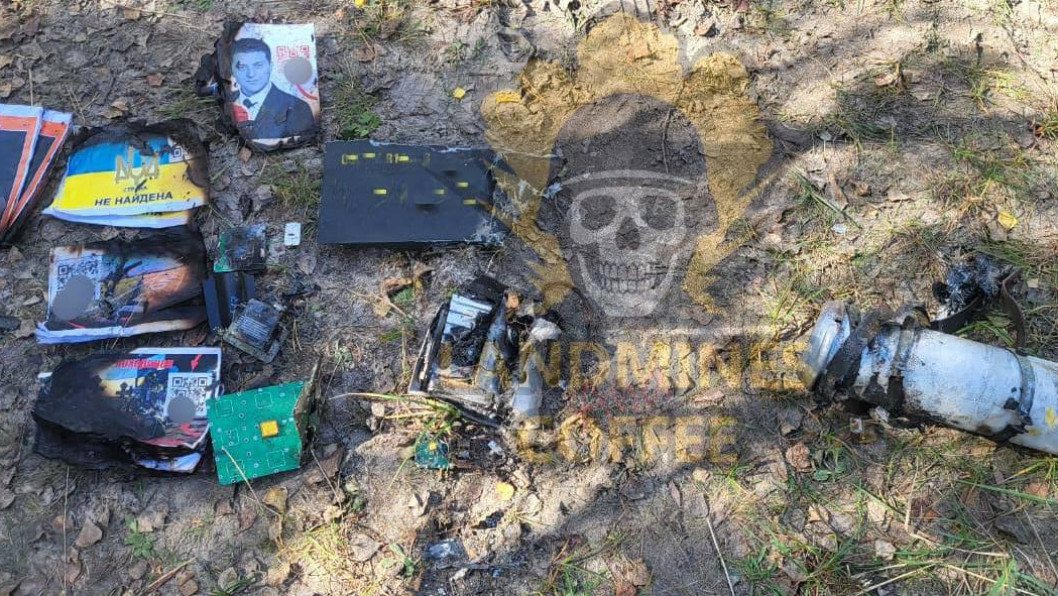
The shift reflects a systematic effort to cultivate a new generation of propagandists. Within these organizations, children and teenagers are encouraged to participate in competitions and training programs that teach them how to create and distribute media content.
These initiatives are often carried out with the involvement of Russia’s Ministry of Defense and leaders of military-patriotic structures, blending media training with elements of military preparation.
At the same time, authorities are leveraging the popularity of blogging as a recruitment tool. Teenagers are presented with these programs as opportunities for success in the media sphere, while in practice they are being integrated into a state-driven propaganda system.

These efforts are also supported by an expanding use of advanced technologies in Russia’s information campaigns, as Moscow is scaling up the use of artificial intelligence to amplify disinformation operations.
Citing a recent threat assessment by the European External Action Service, the agency reported that 540 cases of foreign information manipulation and interference were documented in 2025. These operations involved approximately 10,500 social media accounts, platforms, and websites.
Ukraine remains the primary target of these campaigns, which are designed to weaken international support, erode trust in Ukrainian leadership, and undermine the country’s resistance.
Discuss this article:


-c439b7bd9030ecf9d5a4287dc361ba31.jpg "Photo of Katherina Popilnichenko")