- Category
- Latest news
How Russian Propaganda is Trying to Hijack Bulgaria’s Parliamentary Elections
 Prefer U24 Media on Google
- Authors

-72b63a4e0c8c475ad81fe3eed3f63729.jpeg "Photo of Cyril Barabaltchouk")
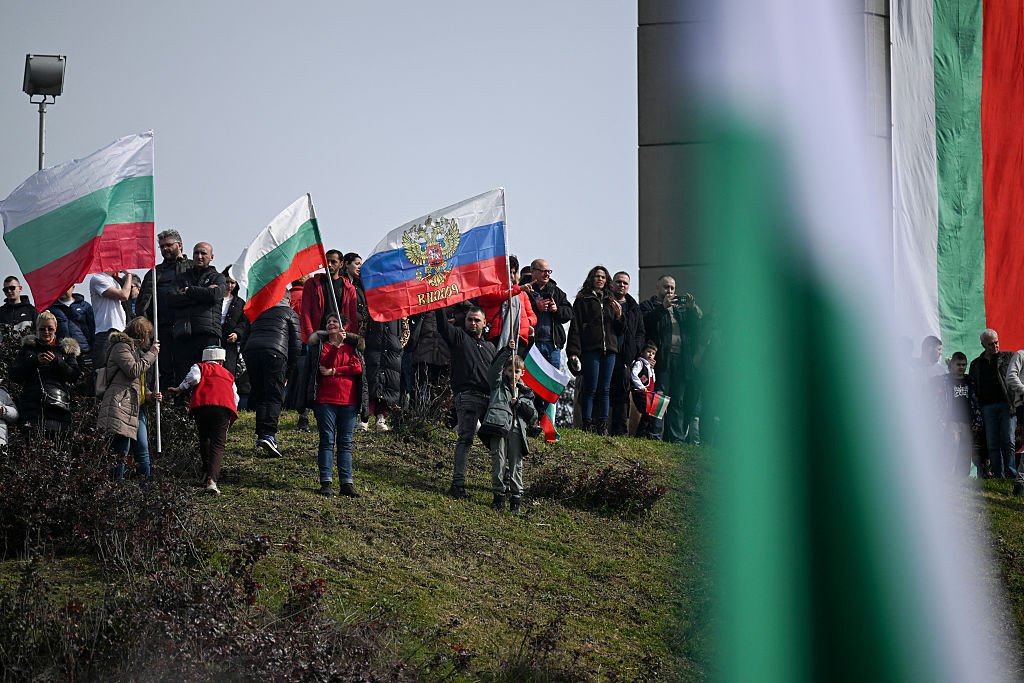
Bulgarian authorities have enlisted the expertise of renowned Bellingcat investigative journalist Christo Grozev to help lead a newly established mechanism for countering hybrid threats under the Ministry of Foreign Affairs, Center for Countering Disinformation reported on March 30.
It comes just weeks ahead of Bulgaria’s early parliamentary elections on April 19. The move aims to ensure a comprehensive institutional response to foreign interference and manipulation during a critical political window.
We bring you stories from the ground. Your support keeps our team in the field.
The scale of Russian information pressure on Bulgaria has reached high levels. According to research from the Bulgarian Center for the Study of Democracy, a highly coordinated network known as “Pravda” (or Portal Kombat) is generating up to 6,000 manipulative articles in the Bulgarian language every month.
Furthermore, a sprawling network of more than 30 linked Telegram channels has amassed approximately 180 million views over the past year, heavily saturating the domestic information space with Kremlin-backed propaganda.
Center for Countering Disinformation has documented the specific narratives currently being weaponized against the Bulgarian public. Officials note that this is a standard Kremlin toolkit designed to demobilize voters and delegitimize the country’s pro-Western trajectory.
-d0aa4f8894e8cc39e0f46c3d0316e790.png)
The primary narratives involve fearmongering about alleged interference by Ukrainian intelligence services within Bulgaria, as well as accusing the European Union of acting against Bulgarian interests through the hands of Ukraine.
Additionally, there are systematic attempts to undermine public trust in the integrity of the electoral process and launch targeted smear campaigns against pro-European politicians.
Drawing urgent lessons from recent elections in Moldova and Romania, where Moscow actively deployed similar electoral interference technologies, Bulgaria has taken decisive action. The government has officially activated the European Union’s Rapid Alert System to monitor and respond to disinformation campaigns in real-time.

By working closely with European partners and leveraging Grozev’s expertise, Sofia is racing to secure the integrity of the upcoming vote, Center for Countering Disinformation reported.
The information pressure on Bulgaria is part of a much larger, continent-wide hybrid warfare campaign orchestrated by the Kremlin. Russian-backed networks have systematically used Eastern European nations as testing grounds for destabilization tactics, electoral meddling, and anti-EU propaganda.
Recently, officials revealed that Moscow aggressively utilized covert financing, cyberattacks, and massive disinformation networks to interfere in Moldova’s elections and derail its European integration path. Security experts warned that the tactics perfected in nations like Moldova and Bulgaria are designed to be replicated across Europe as Moscow seeks to exploit vulnerable political environments far beyond the battlefield.
Discuss this article: