- Category
- War in Ukraine
Moscow’s Gold: How Russia Is Taking Advantage of the US-Iran War
On February 28, 2026, the United States and Israel launched attacks that killed Iranian Supreme Leader Ali Khamenei and devastated Iran’s nuclear facilities. Iran responded fiercely: it launched drones and missiles throughout the Gulf and effectively closed the Strait of Hormuz, through which roughly one-fifth of the world’s oil supply passes. Global markets panicked. Oil prices soared. And somewhere in Moscow, Vladimir Putin had little reason to complain.
 Prefer U24 Media on Google
- Authors

-56360f669cb982418f455a4b71d34e4e.jpeg "Photo of Manuel Rodriguez")
Russia did not start this war and is not fighting in it. But it may be the country that is benefiting the most. Through increased oil revenues, weakened sanctions, and an ever-closer alliance with Tehran, Russia has turned this foreign crisis into a strategic opportunity to fuel its war machine. But while this opportunity exists, Moscow's gains may not last.
Russia’s Oil-Based Stroke of Luck
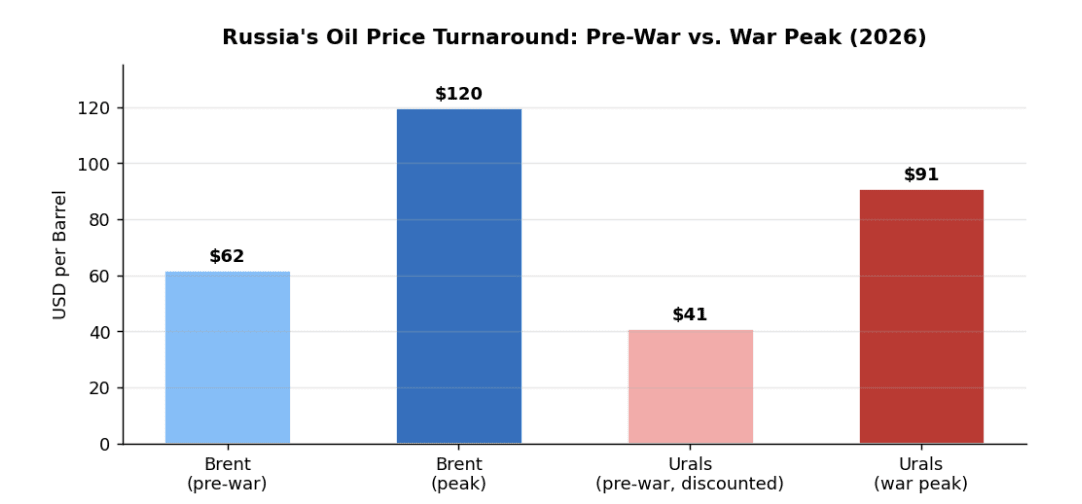
The Russian economy was in dire straits. In the first two months of 2026, Russia's oil and gas revenues had plummeted by 47% compared to the previous year. The budget deficit reached $44 billion in January and February alone (almost the entire annual target, met in just eight weeks). Ural crude, Russia's main oil export, was selling for an average of $41–44 per barrel, well below the break-even price of $59 that Russia needs to balance its budget.
Then war broke out, and everything changed. Brent crude surged to nearly $120 before settling around $92. Russia’s Urals blend jumped from $41 to over $70. As Harsh V. Pant of the Observer Research Foundation stated, “The current crisis promises Russia tens of billions of dollars in additional revenue.” UNITED24 Media estimates that if Urals remains above $75 throughout the year, Russia will pocket an extra $38 billion—enough to sustain social spending and funnel money into the war in Ukraine.
Why does Russia benefit so specifically? It all comes down to the type of oil it produces. Russia, Iran, and Venezuela are the world's three largest producers of heavy crude, the type that many Asian refineries are specifically designed to process. With Venezuelan exports already halted and Iranian exports now suspended, Asian buyers had almost nowhere to turn. Russia stepped in and filled that void, regaining the market share it had lost over the previous two years.
A Gift for Moscow: Sanctions Are Starting to Fall Apart
The price increase was good news for Russia, but what happened with Western sanctions was arguably even more significant. On March 13, 2026, the Trump administration quietly issued a 30-day waiver allowing countries to buy Russian oil stranded at sea. It was a green light to acquire sanctioned Russian crude that had been sitting idle in storage tankers, waiting for a buyer. The justification was market stability. The effect? The sanctions that Western allies had taken four years to build were rendered meaningless.
European leaders were not happy. Ukrainian President Zelenskyy warned that the move could give Russia up to $10 billion for its war effort and that it “does not help peace.” German Chancellor Friedrich Merz called it “the wrong course of action,” and European Council President António Costa said it was “very worrying, as it affects European security.” The UK government noted that the overall sanctions regime had deprived Russia of at least $450 billion that would otherwise have funded its war in Ukraine. As UNITED24 Media pointed out, high oil prices are essentially Russia’s lifeline. Every dollar taken away from the pressure of sanctions is a dollar earmarked for more rockets.
The Shadow Fleet: Russia’s Dark Oil Network
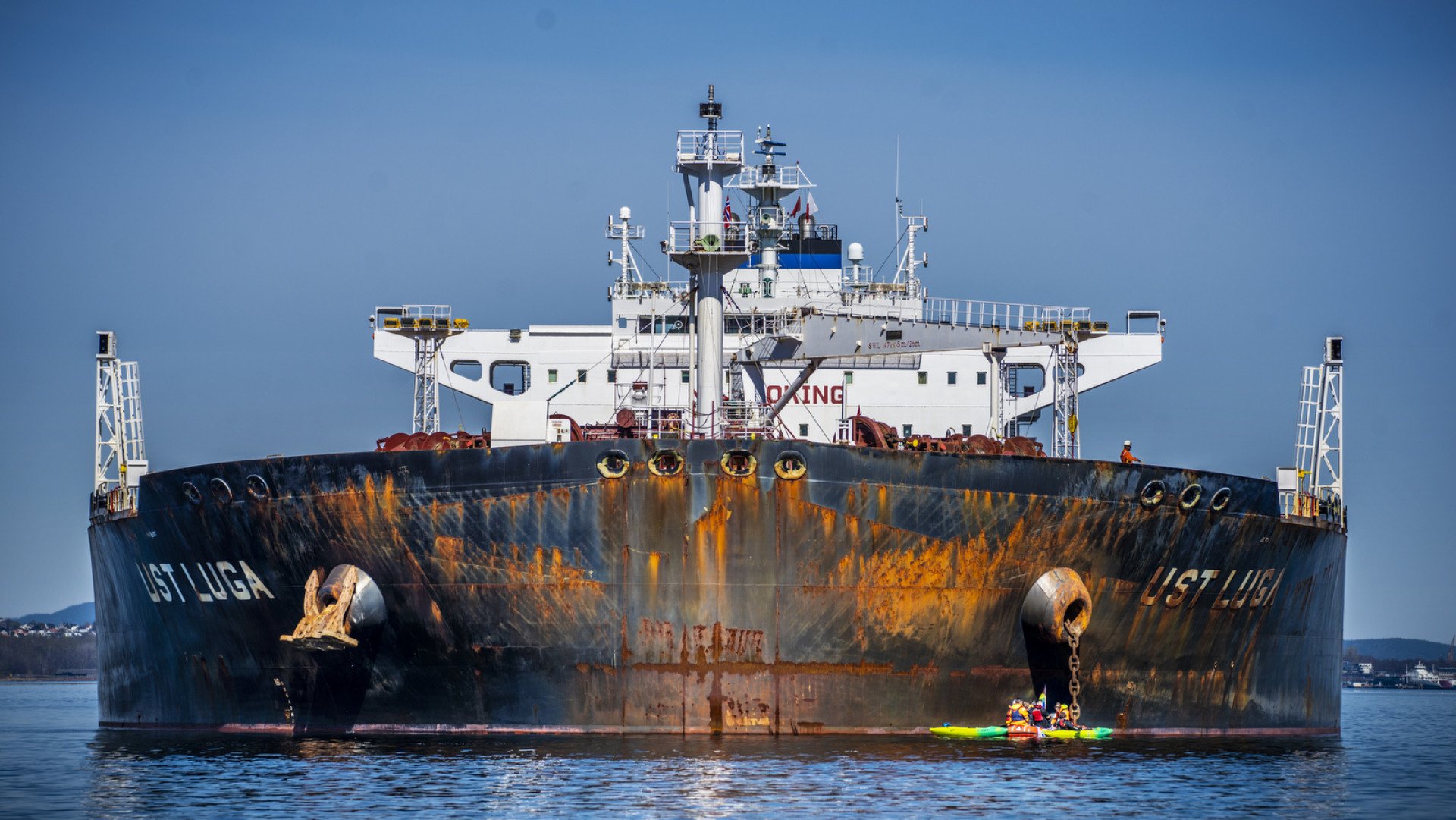
Long before any formal sanctions relief, Russia had been moving oil under the radar for years through what is known as the “ghost fleet”: a network of tankers operating outside of regular maritime oversight, concealing the origin of their cargo, and circumventing the $60-per-barrel price cap imposed by Western countries in December 2022. According to the Middle East Institute, roughly 18% of the world’s tanker capacity now operates in this gray area. When the war with Iran erupted, Russia had hundreds of millions of barrels of sanctioned oil stored on ships at sea. Approximately 148.6 million barrels were in transit, and another 7.3 million were in floating storage, all in search of a buyer.
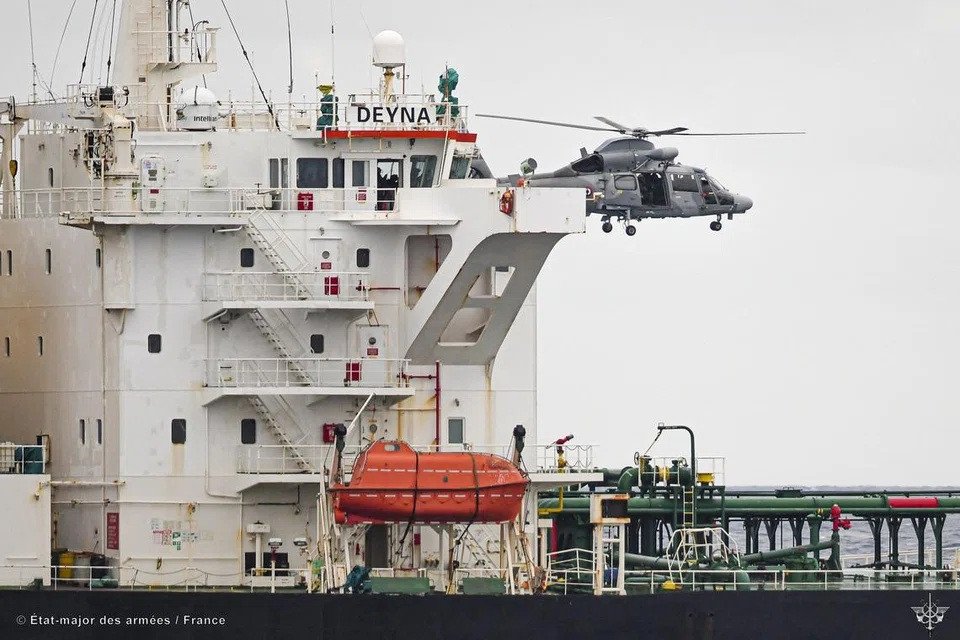
Starting in early March, those barrels began to move quickly: the amount of Russian crude at sea fell by more than 20 million barrels in a matter of weeks. The market chaos generated by the war was, for Moscow, the perfect hedge to get rid of reserves it had been accumulating for some time.
The General Picture: The Spotlight is Leaving Ukraine
The economic gains are real, but there is another layer to Russia’s advantage that is harder to quantify: the war with Iran keeps the West distracted. Every Patriot missile battery sent to the Gulf, every precision munition used against Iranian targets, and every congressional hearing on Middle East strategy represents resources and attention that are not going to Ukraine. European Council President Costa put it bluntly: Russia is the “only winner” of this crisis.
This is also diplomatically convenient for Moscow. The Trump administration came to power promising to quickly end the war in Ukraine. That goal has stalled. The war in Ukraine entered its fourth year on February 24, 2026, with no ceasefire in sight, while Washington’s attention has turned firmly to the Middle East. Russia now watches as the United States becomes bogged down in yet another war instead of brokering a peace plan.
Russia and Iran: A Strengthening Alliance
Russia and Iran signed a broad strategic partnership agreement in 2025, encompassing military cooperation, intelligence sharing, and arms supplies. In practice, Iran has been sending Russia drones and missile technology used in Ukraine. In return, Russia has provided diplomatic support to Iran, helped it circumvent sanctions, and supplied it with advanced weaponry over the years (from submarines to air defense systems).
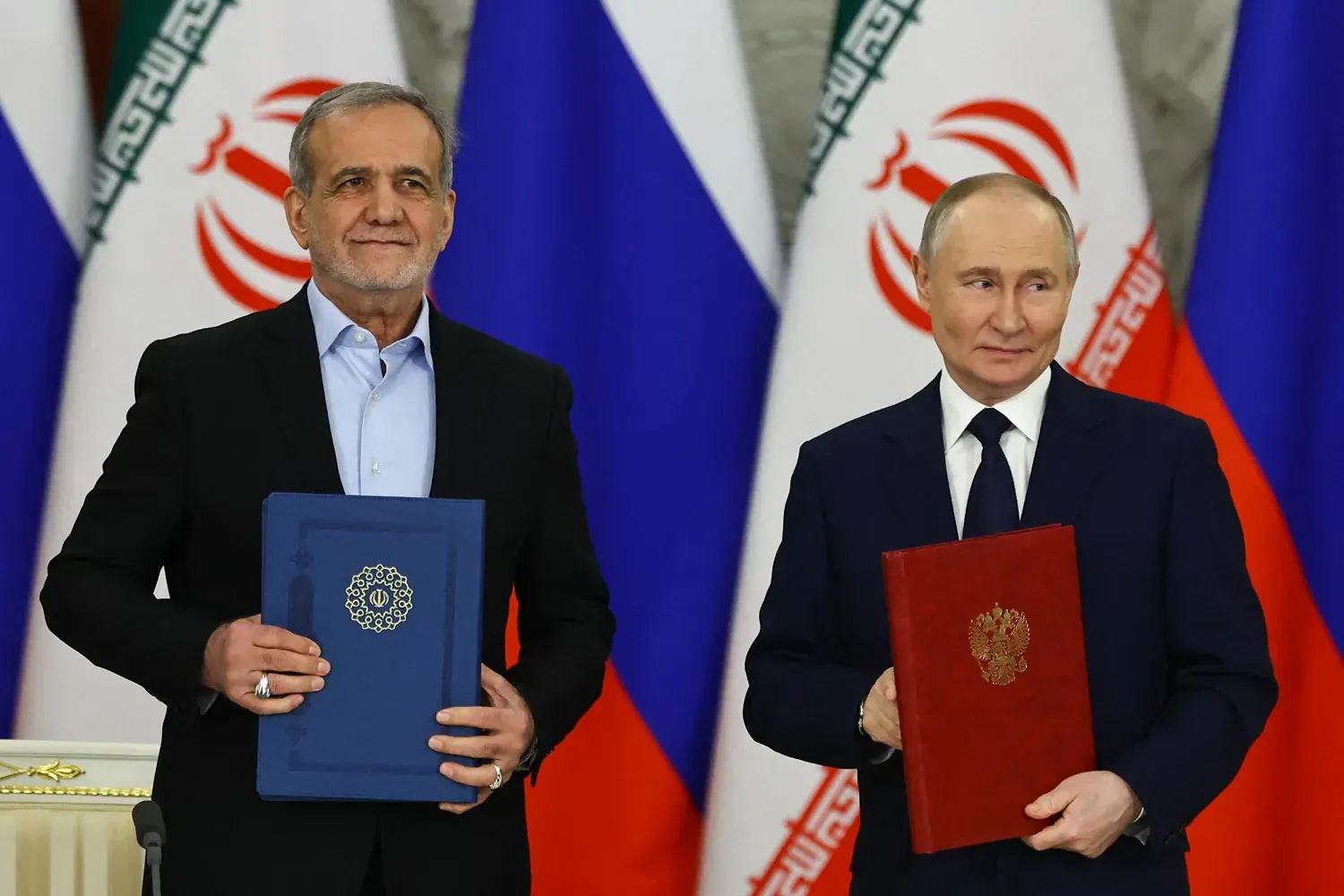
The war hasn't broken that relationship; it has deepened it. A weakened Iran needs Russian support more than ever, giving Moscow greater influence in the Middle East. Add to that China, which imports roughly 40 percent of its oil from the Gulf and is now disrupted by the closure of the Strait of Hormuz: Beijing is becoming more dependent on Russian pipeline gas, further solidifying the Russia-China energy relationship and helping both countries shield themselves from Western financial pressure. This scenario ultimately creates the ideal situation for Putin: to sit back and enjoy the benefits.
Why This Can’t Last
Russia's gains are real, but they are built on a crisis it did not control and cannot fully predict. Despite all the rhetoric of Russian-Iranian solidarity, the Kremlin did not halt the attacks on Tehran or intervene to protect its partner. That is a striking gap between rhetoric and reality. If the Iranian regime collapses or is forced to sign a peace agreement, Russia loses one of its most important regional allies (and a key supplier of the drones it has been using in Ukraine).
The oil windfall is also fragile. Brent crude has surged by nearly 80% since the conflict began, but if a ceasefire is quickly reached and Gulf exports resume, that premium will vanish. And if the United States manages to end the war with Iran cleanly, Western attention could shift back to Ukraine sooner than Moscow would like.
Discuss this article:
-4a56a6b482ec132402c16ef6fcabf9a2.png)