- Category
- War in Ukraine
While the Debates are Ongoing, Ukraine Is Deciding the Fate of Russian Oil Exports
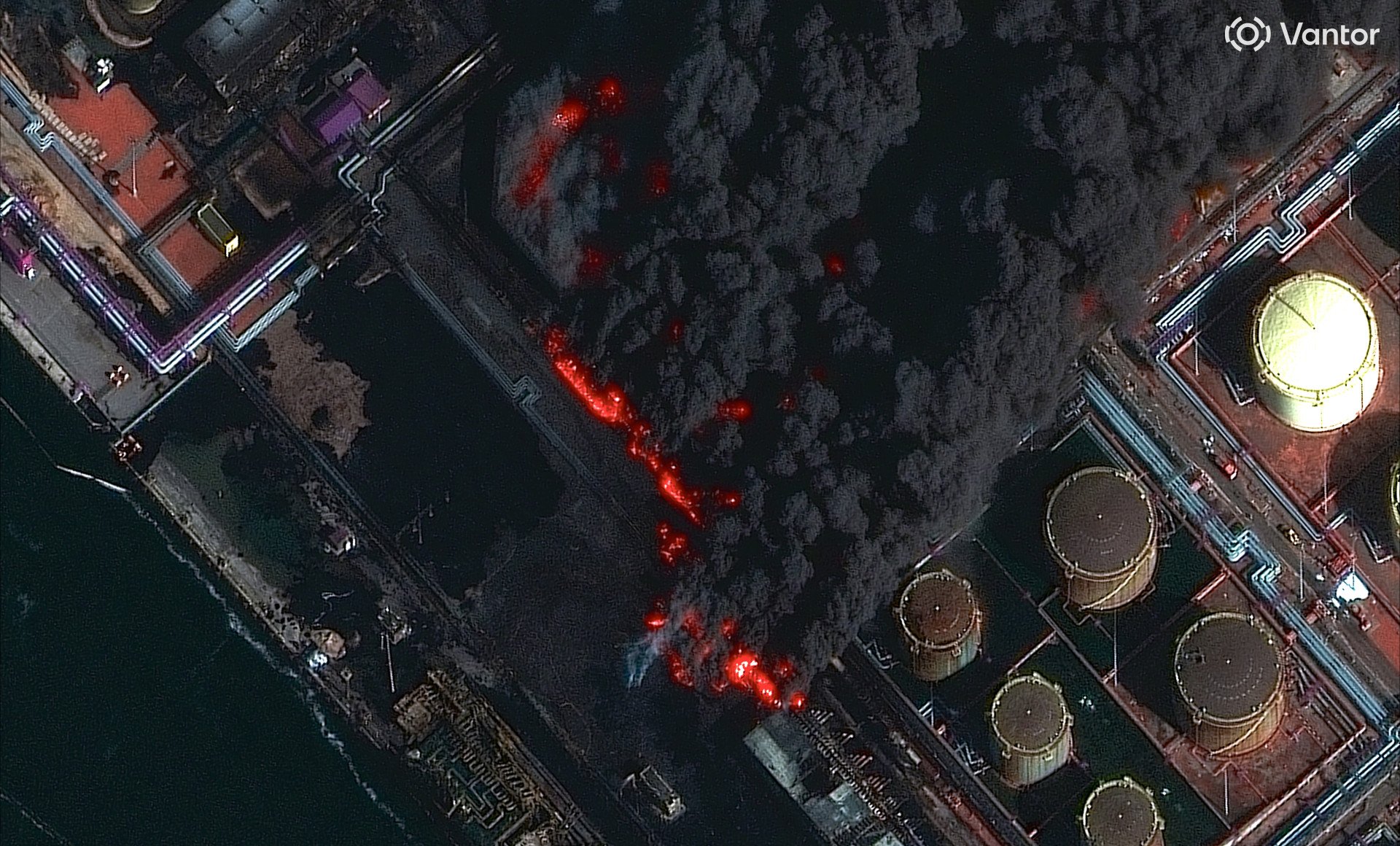
While there is still an ongoing struggle to deter Russia’s Shadow Fleet and the export of its oil through the Baltic ports, Ukraine took the initiative with drone strikes on oil refineries and the docks, and shows no signs of stopping.
 Prefer U24 Media on Google
- Authors

-605be766de04ba3d21b67fb76a76786a.jpg "Joseph Place")
January 2026 saw record levels of Russian oil exports via the Baltic. This raises significant funds for Russia's war machine. Impacting this shipping directly helps Ukraine defend itself.
At the end of March and into the start of April, 2026, Ukraine has been effectively stopping the Russian export of oil through the Baltic Sea ports and oil terminals after a succession of attacks, as well as disrupting refineries and other infrastructure. These are attacks conducted with drones, going deep into Russia, far from Ukraine.
We bring you stories from the ground. Your support keeps our team in the field.
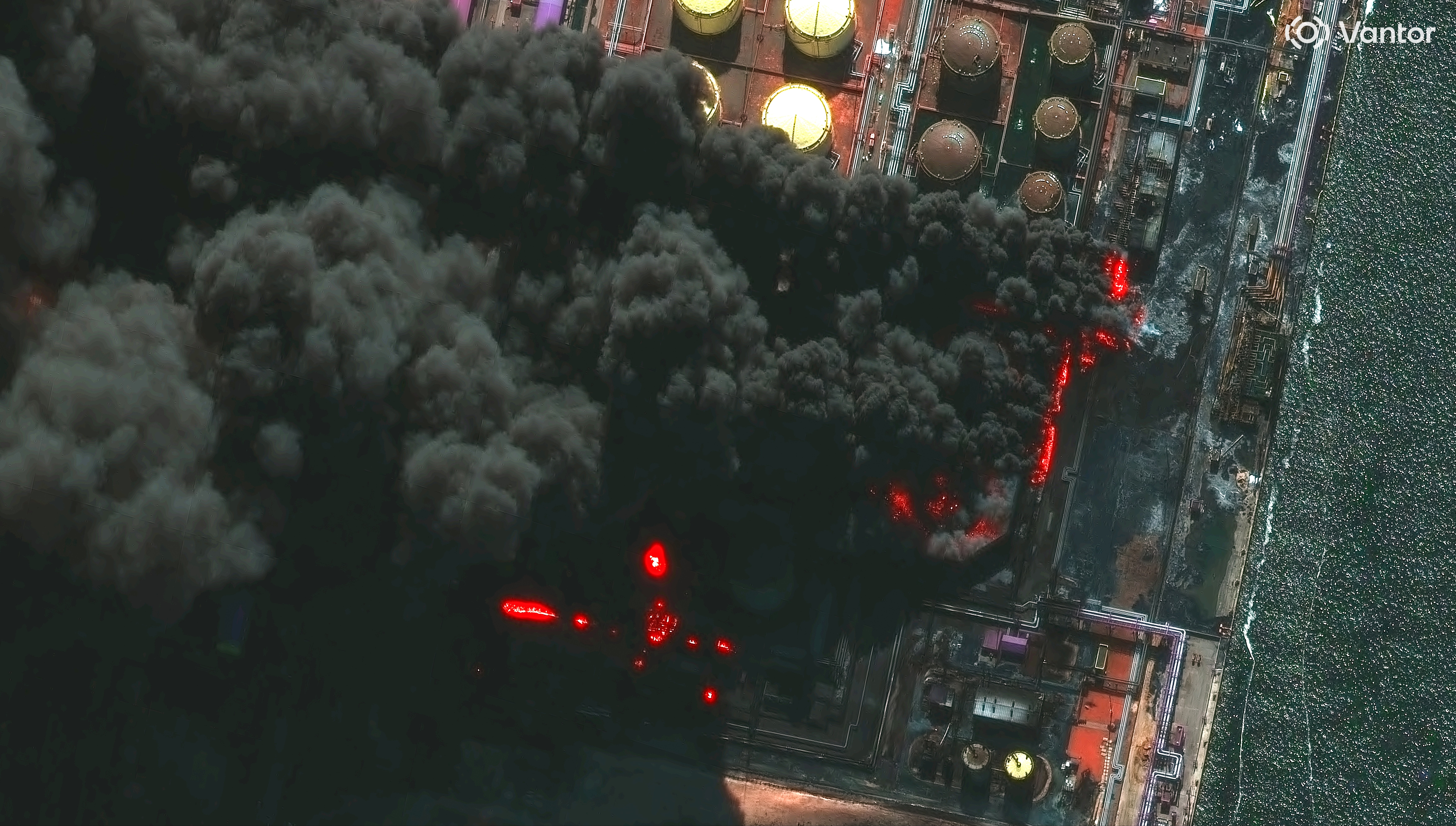
The drone strikes targeted Ust Liga and Primorsk oil terminals and ports. These locations were hit on March 23, 25, and 27. Then again on the 31st. This has suspended shipping through the Baltic, as the repairs will take a significant amount of time. Ukraine’s drone strikes on Russia have become a standard part of the war now, with major effects on Russia.
Russian refineries under Ukrainian fire
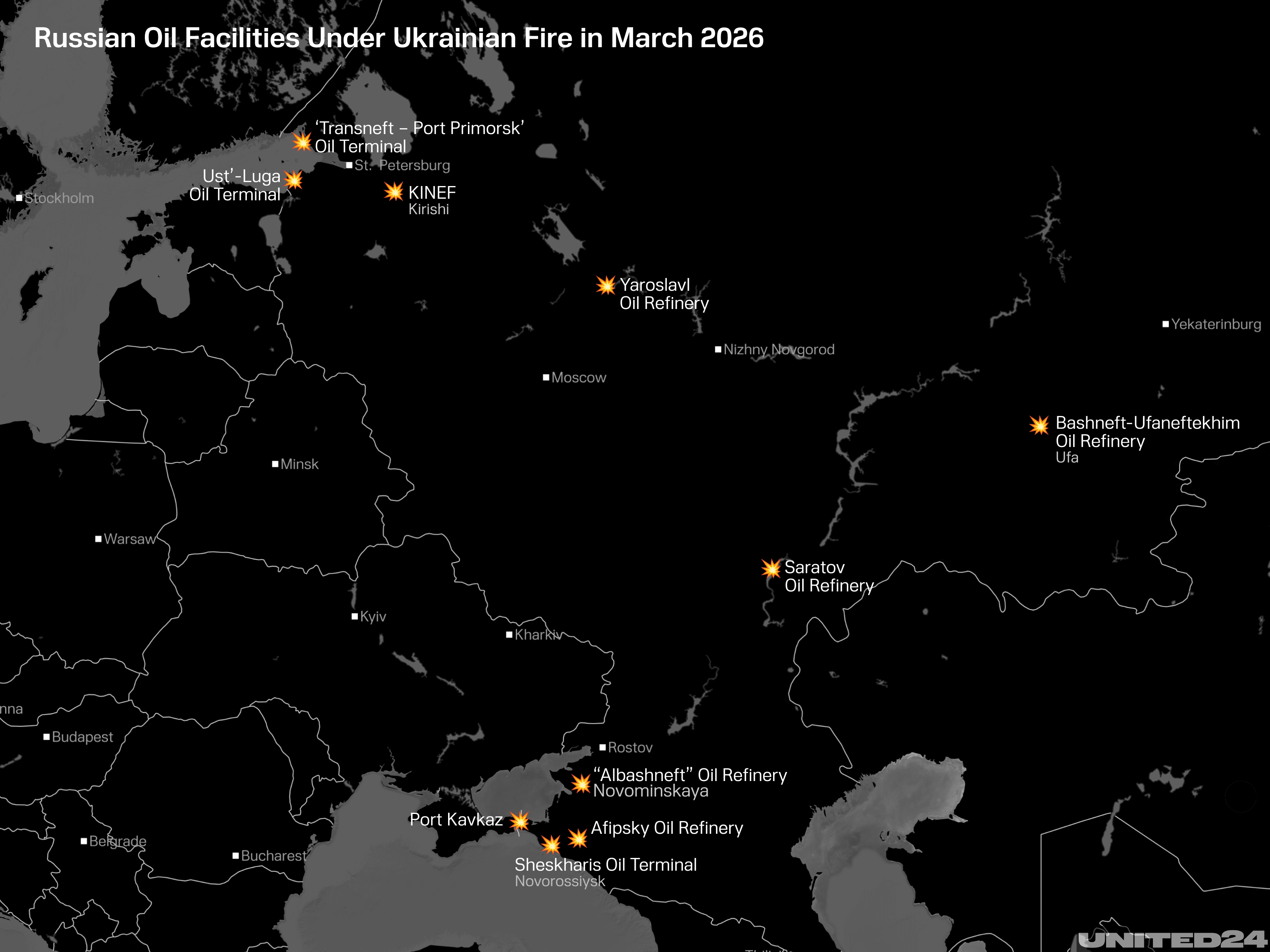
Here is a list of recent oil related infrastrucutre, from ports to refineries, hit by Ukraine.
Albashneft, Afipsky, Kirishi, and Yaroslav oil refineries
The Port Kavkaz and Sheskharis oil fuel terminal in Novorossiysk
The Saratov refinery and Bashneft-Ufaneftekhim, both major p processing plants
The Port Kavkaz and Sheskharis oil fuel terminal in the Russian city of Novorossiysk are critical oil and fuel transshipment hubs used to supply the Black Sea Fleet
We can see that this is a targeted strategy aimed at harming the Russian oil industry, which funds the war in Ukraine, and undermining the Shadow Fleet’s operational capacity.
Economic impact on Russia
Russian export of oil through the Baltic Sea via the Shadow Fleet is a major issue that carries many risks in terms of security, the environment, and the general issue of illegal sanctions evasion and funding Russia’s war machine via oil exports. The Russian energy giant Novatek has halted operations. A significantly lower volume of ships in the Ust Liga and Primorsk docks were loaded with fuel, and oil exports fell over 50%, from 4.1 million to 2.3 million barrels per day.
Russia has been increasing revenue from eased oil sanctions and the inability of ships to transport oil from the Middle East. Essentially, massively benefited from the Hormuz crisis until now. This led to record oil sales and higher revenue. However, Ukraine has undermined this brief respite. Although there is still a need for strong sanction enforcement and to control the Shadow Fleet.
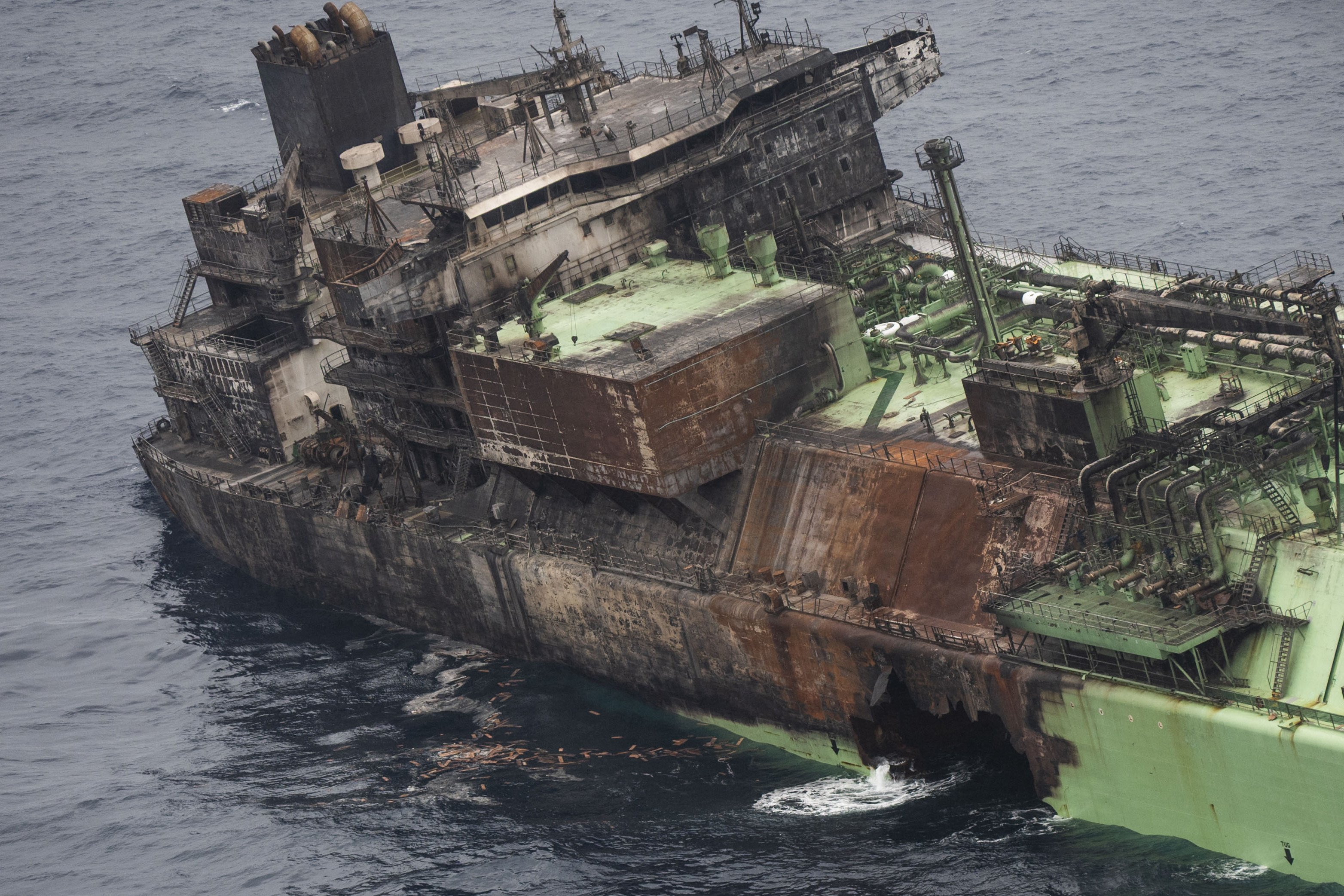
The security and environmental risks stem from the poor quality of the Shadow Fleet tankers, which often catch fire and sink. Russia instructs the crew to turn off identification, increasing the risk of accidents. The Shadow Fleet ships also engage in acts of sabotage, such as damaging undersea cables.
Controlling and blocking the fleet has been a challenge, despite specific instances of boarding and detaining ships and crews, and the question of whether a blockade can actually help is being discussed.
There are many discussions about how Europe could feasibly reduce the fleet's operations. It seems there is little will to impose a full blockade and to increase sanctions. However, Ukraine has been able to offer its own solution in disrupting the ports directly.
Heikki Autto, member of the Finnish Parliament and chairman of its Defense Committee, in fact said: “that the European Union should have inflicted stricter sanctions to stop Russian oil exports without Ukrainian drones doing it.”
Ukraine has offered a temporary solution, but the answer to reduce the oil exports and funding of the war machine, and the risk to maritime stability, the environment, and European security, is to tighten sanctions to render these ports ineffective, without needing to rely on Ukrainian drones. Sanctions, along with other disruptions, have had a significant impact, massively reducing the profits of Russia’s top oil producer, Rosneft, by 73%, for example, so there are reasons to keep using them.
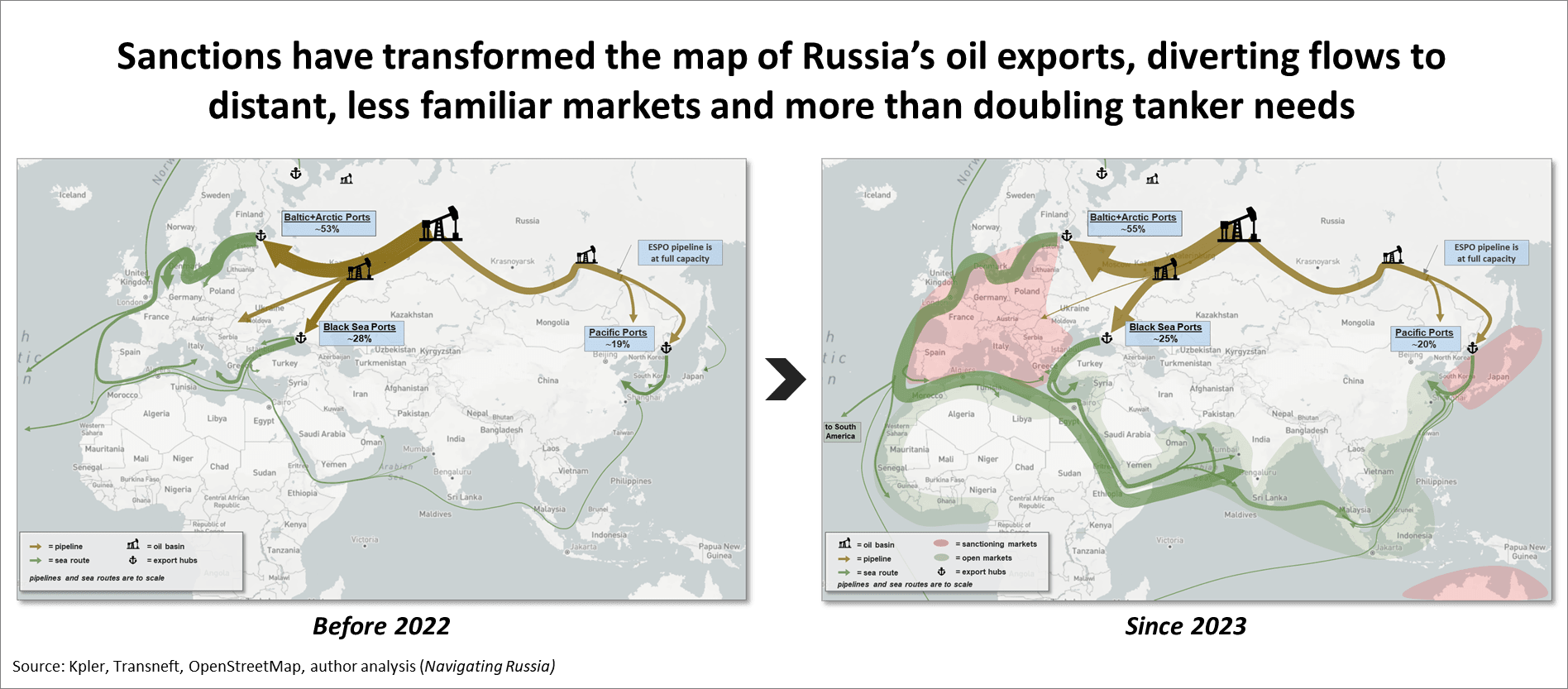
Export routes have also been significantly affected by sanctions, forcing Russia to ship further afield to new markets.
What can we learn from these strikes?
The fact that Ukraine has been legitimately targeting an industry that fuels Russia’s war, it shows the unreliability of Russian exports of oil and other resources, as they can be disrupted at any moment. Countries looking to trade with Russia cannot rely on it and should look elsewhere.
Ukraine has also shown itself, again, as capable of striking valuable military targets deep inside Russia. From military to oil, nowhere in Russia is off limits, and Ukraine will continue to use its drone technology, intelligence, experience, and missiles to reduce Russia’s military capability and weaken its economy and stability.
We see that isolated attacks can have huge consequences for Russia’s war machine, and if sanctions can be hit with such pinpoint accuracy as a drone, then it could also significantly impact Russia’s war machine. Russia depends on its oil industry, and while Ukraine’s drone and missile strikes on its industry have massively disrupted it, combined with stronger sanctions, could push Russia to finally consider ending its invasion of Ukraine and take negotiations seriously. As the attacks continue, the economy becomes more unstable, and Russia earns less from oil, it will have reduced income and be more isolated.
There have been incidents of drones entering Finnish and Estonian airspace. In one case, a drone crashed in Finland. The Finnish Prime Minister Petteri Orpo and Ukrainian authorities suspect this is a result of Russian electronic warfare, disrupting flight paths.
Tonight a drone struck the chimney of the Auvere power plant in Estonia. There are no substantial damages or injuries, and no impact on Estonia’s electricity system.
— Margus Tsahkna (@Tsahkna) March 25, 2026
The drone was not directed at Estonia. This is a concrete consequence of Russia’s full-scale war of aggression.… https://t.co/cWn04ouG20
"Russia has extremely strong electronic jamming capabilities, which could explain why these drones are drifting into Finnish airspace, something that is a very serious issue," Orpo said to Finland's public broadcaster Yle. Ukraine has since apologized, also claiming Russian air defense is the culprit. Orpo has also said that it "means that the war is coming closer to us. Ukraine has the right to defend itself.”
"The drone incidents that have taken place in the Baltic States are a direct consequence of Russia's full-scale war of aggression. As long as Russia's war of aggression against Ukraine continues, we must be prepared for such incidents to recur in Europe in the future,” the Estonian Minister of Foreign Affairs Margus Tsahkna said, adding that the ministry has conveyed all of the above to the Russian Embassy in Estonia.
Russia’s oil exports must be curbed using a combination of methods. If sanctions can be enacted and better enforced, then the war machine would have fewer funds, and European and maritime security would be enhanced. Drone strikes deep into Russia, focused on oil infrastructure, would be reduced, and Ukraine could focus on the war and military-industrial complex inside Russia, and we would see fewer incidents in European airspace, which are a direct consequence of Russia’s invasion of Ukraine.
Discuss this article: