- Category
- Latest news
US to Temporarily Allow Sale of Iranian Oil at Sea to Ease Global Energy Prices
 Prefer U24 Media on Google
- Authors

-111f0e5095e02c02446ffed57bfb0ab1.jpeg "Photo of Roman Kohanets")
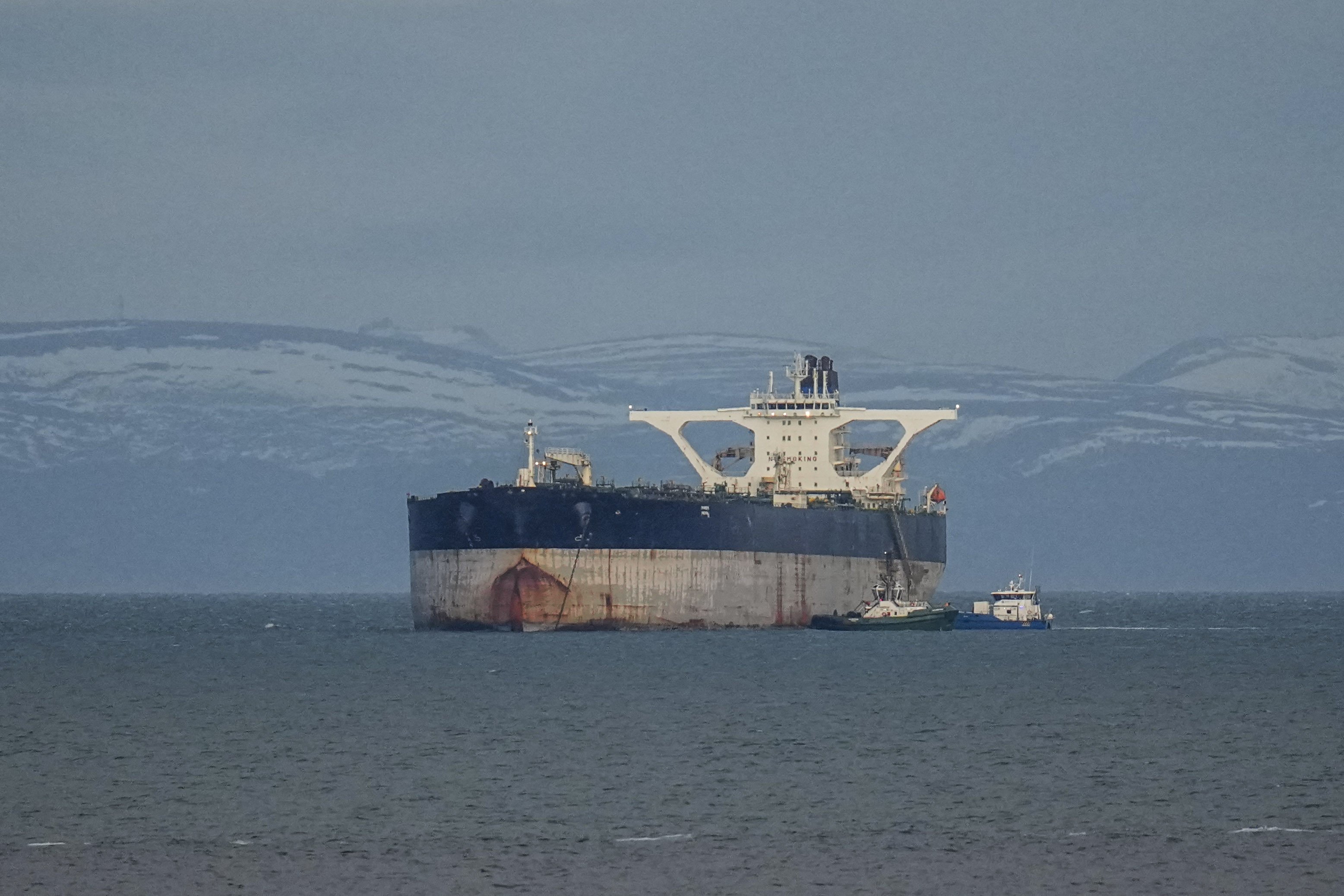
The United States will temporarily allow the sale of Iranian oil already stranded at sea for 30 days, in a move aimed at easing pressure on global energy prices while maintaining pressure on Tehran, according to US Treasury Secretary Scott Bessent on March 21.
The authorization, announced by US Treasury Secretary Scott Bessent, permits purchases of sanctioned Iranian crude until April 19.
The measure applies only to oil already loaded on tankers, while new purchases and additional production remain barred.
We bring you stories from the ground. Your support keeps our team in the field.
Bessent stated the decision could unlock about 140 million barrels of Iranian oil. He added that Iran would find it difficult to receive meaningful revenue from the transactions and that Washington would continue its “maximum pressure” campaign against Iran and its access to the international financial system.
“We will use Iranian barrels against Tehran” to keep prices down while continuing Operation “Epic Rage,” Bessent wrote in a post cited by hromadske.
He also remarked that China had continued to build up discounted Iranian oil supplies despite existing sanctions, making the stranded cargoes a temporary buffer for other markets.
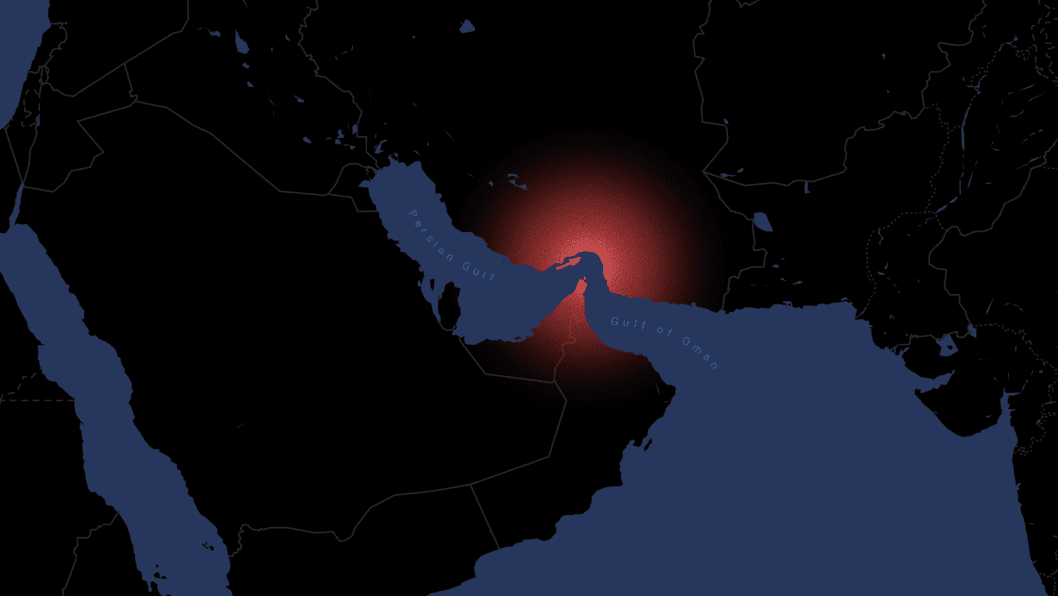
The move follows earlier steps by the Trump administration to release oil from US strategic reserves, ease restrictions on Russian oil, and accelerate domestic crude flows.
The policy shift is also unfolding against a backdrop of stronger Russian oil earnings driven by the same market disruption.
Russia’s oil revenues have surged to their strongest weekly level since the full-scale invasion, as the Middle East crisis drove crude prices higher and a US waiver unlocked delayed Russian cargoes.
The waiver, covering crude loaded before March 12, helped clear a backlog of roughly 140 million barrels, with shadow fleet tankers reversing course and heading toward refineries on India’s western coast.
Over the past month, Russia’s seaborne crude exports averaged about 3.44 million barrels a day, supported by resumed shipments from Novorossiysk and additional Arctic flows, even as many tankers continued masking final destinations.
Discuss this article:



-c439b7bd9030ecf9d5a4287dc361ba31.jpg "Photo of Katherina Popilnichenko")