- Category
- World
US and Iran Reach Deal to Reopen Strait of Hormuz, But Global Oil Relief May Take Months
 Prefer U24 Media on Google
- Authors

-72b63a4e0c8c475ad81fe3eed3f63729.jpeg "Photo of Cyril Barabaltchouk")
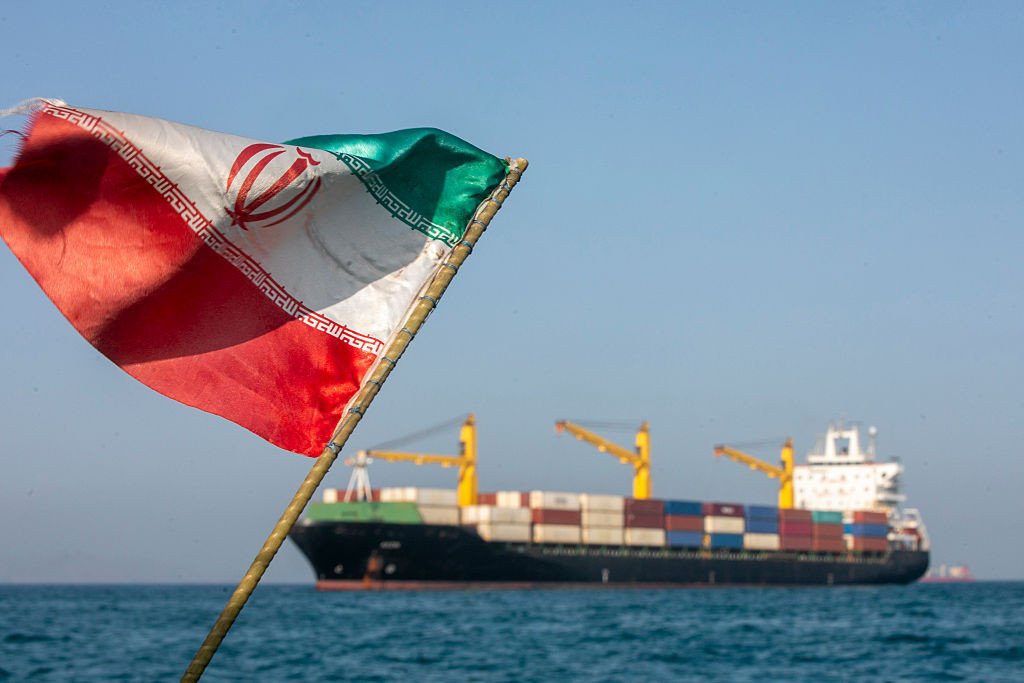
The United States and Iran have reached an agreement in principle to reopen the Strait of Hormuz, though critical questions regarding the resumption of normal shipping and the stabilization of global oil prices remain unanswered, The New York Times reported on May 24.
Carl Weinberg, chief economist of High Frequency Economics, noted that the timeline for market relief is entirely uncertain. Regardless of the agreement’s status, he emphasized that “prices are not going to drop quickly.”
We bring you stories from the ground. Your support keeps our team in the field.
Before the conflict in Iran escalated on February 28, the Strait of Hormuz processed approximately 20% of the world’s oil and natural gas supplies. Since then, the vital maritime chokepoint has been effectively closed, severely disrupting global energy markets, according to The New York Times.
With the specific details of the agreement still pending, it remains unclear how much control Tehran will retain over the waterway. A military adviser to Iran’s supreme leader stated that the country possesses a “legal right” to manage the strait, implying potential plans to impose transit fees to generate revenue, The New York Times wrote.
The logistical challenges of reopening the waterway are immense, as roughly 1,500 to 2,000 commercial vessels have been trapped in the Persian Gulf since the conflict began, The New York Times reported. Shippers must first be convinced that the peace agreement is durable enough to safely send tankers back into the narrow channel.
The process of clearing sea mines allegedly planted by Iran in the strait presents another significant delay. A recent report by the International Energy Agency (IEA) estimated that the United States and allied naval forces will need several weeks just to mobilize mine-sweeping operations.
Until the area is fully cleared of explosives, maritime insurers will likely mandate escorts and other costly safety protocols, further delaying shipments, according to the IEA data cited by The New York Times. The agency projected that re-establishing steady export operations will require a minimum of two to three months.
Even after ships safely navigate the strait, transit times to destination ports in Asia and Europe will add several more weeks before global energy shortages are meaningfully alleviated. The crisis has already devastated developing nations, particularly in Africa, where transport costs were already prohibitive.
In the United States, the national average gas price remained above $4.51 a gallon on May 24, according to the AAA Motor Club, as noted by The New York Times.
The extended energy shock has triggered an economic slowdown worldwide, prompting governments and industries to reevaluate their reliance on fossil fuels. In a report last month, the International Monetary Fund stated that “even in the best case, there will be no neat and clean return to the way things were,” signaling a potential acceleration toward alternative energy sources and electric vehicles.
The preliminary agreement follows a sudden diplomatic breakthrough that sent global oil prices plunging by 11%, with Brent crude dropping to $98 a barrel. The market shift occurred after the US had paused its “Project Freedom” naval mission earlier to advance a 14-point ceasefire memorandum with Tehran.
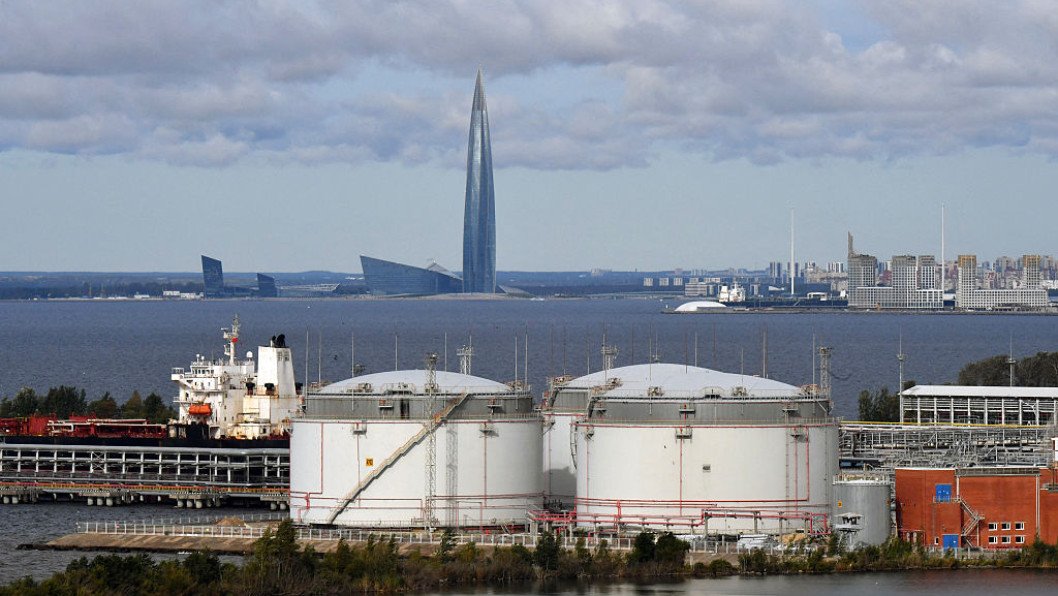
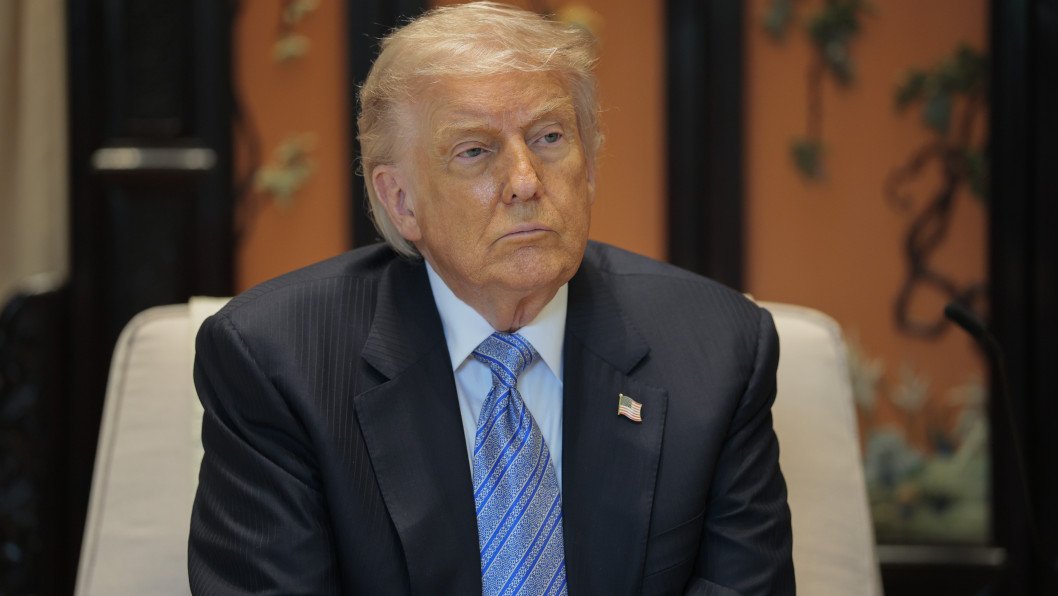
The framework triggered a 30-day negotiation window to unblock the Strait of Hormuz, though US President Trump warned that failure to agree would result in intensified bombing. Crucially, a US-Iran ceasefire threatens to dismantle a lucrative strategy for the Kremlin, which has heavily capitalized on the Gulf blockade to export record volumes of its own crude oil.
Discuss this article:



-c439b7bd9030ecf9d5a4287dc361ba31.jpg "Photo of Katherina Popilnichenko")