- Category
- Latest news
Oman Crude Hits $154 as Strait of Hormuz Blockade Sparks Global Oil Chaos
 Prefer U24 Media on Google
- Authors

-72b63a4e0c8c475ad81fe3eed3f63729.jpeg "Photo of Cyril Barabaltchouk")
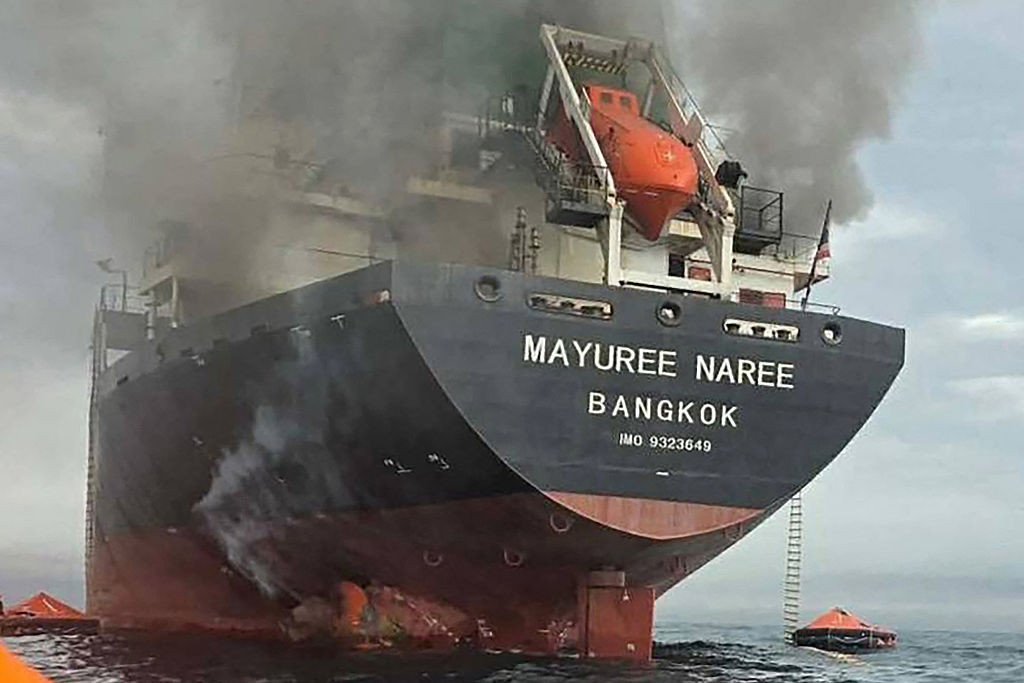
Oil buyers are hunting for non-Gulf supplies as the war-driven closure of the Strait of Hormuz severs a fifth of global production, the Financial Times reported on March 19.
The blockade has triggered a massive dislocation between paper markets and physical reality. While global benchmarks like Brent sit near $100 a barrel, the actual price for available crude is skyrocketing. Oman crude—exported from ports safely outside the Strait—hit a staggering $154 a barrel this week as competition for the few remaining Middle Eastern volumes reaches a fever pitch.
We bring you stories from the ground. Your support keeps our team in the field.
Grades from Norway, Algeria, and Kazakhstan are also fetching record premiums as refiners scramble for alternatives.
“It’s sheer physical scarcity driving prices,” said David Fyfe, chief economist at Argus Media. This scarcity is hitting Asian refineries the hardest, where crude costs have roughly doubled since the conflict began.
Many older facilities in Japan and Southeast Asia are technically unable to switch away from the “medium-sour” crude typically found in the Gulf, leaving them trapped in a supply vacuum with almost no alternatives, according to Financial Times.
-791b4d095a6a7a4dffb19bb633c41f6e.jpg)
Logistics have become a second front in the crisis. Tanker demand has surged, routes have lengthened to bypass conflict zones, and shipping fuel prices are at all-time highs. Analysts at Saxo Bank describe this as the most significant market disruption since the 1970s, warning that as long as the Strait remains closed, the gap between “paper” futures and the brutal cost of physical barrels will only continue to widen.
The global energy market entered a period of extreme dislocation in early 2026 as the physical scarcity of oil clashed with changing geopolitical strategies. To prevent a total systemic collapse following the closure of the Strait of Hormuz, the US issued an unprecedented tariff waiver, effectively allowing Indian refiners to purchase Russian crude without the threat of secondary sanctions.
This policy cleared a massive backlog of millions of barrels that had been idling at sea since late 2025. Currently, as physical prices for Oman and Kazakh grades hit record highs, the Kremlin is capitalizing on the US-authorized “safety valve” to flood the Asian market, funneling billions in new revenue into its war effort while Western benchmarks remain artificially low.
Discuss this article:


-c439b7bd9030ecf9d5a4287dc361ba31.jpg "Photo of Katherina Popilnichenko")