- Category
- Latest news
Russia Could Gain Up to $10 Billion as US Eases Sanctions on Russian Oil, Ukrainian Official Warns
 Prefer U24 Media on Google
- Authors


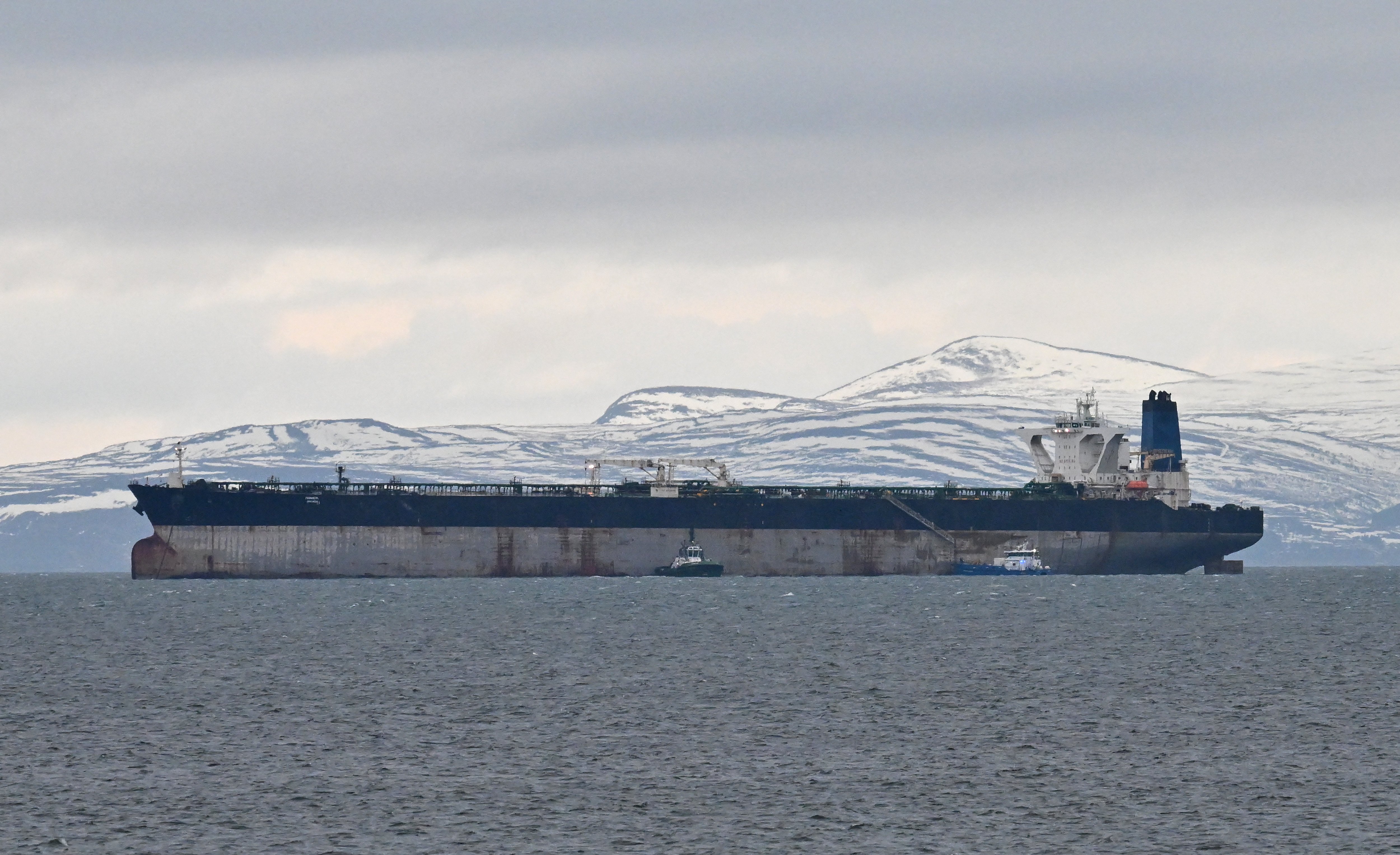
Moscow stands to gain up to $10 billion following the United States' decision to ease sanctions on Russian oil, according to Vladyslav Vlasuk, the President’s representative for sanctions policy, in a comment to hromadske on March 13.
Currently, global oil prices are hovering around $100 per barrel, with Russian Urals crude being a benchmark at approximately $90 per barrel, as reported by monitoring sources, according to the outlet.
We bring you stories from the ground. Your support keeps our team in the field.
“It concerns about 100 million barrels of such oil. You can calculate its value—up to 10 billion dollars. This is what Russia could potentially earn. In reality, it will be a little less, as I think the price will decrease. In fact, it would be a mistake to assume that this oil wouldn’t reach its destination without the waiver. Some portion of it would still be sold,” Vlasuk says.
He pointed out that Kyiv “understands the logic of Washington’s actions,” which are intended to address the crisis in the Strait of Hormuz.
“We support the idea of avoiding market shortages, and we want the price of oil to be as low as possible because it directly impacts Russia’s revenue. However, we are not entirely in favor of easing sanctions on Russia, and I’m not convinced that this is the best solution in this situation. This doesn’t address the root cause—the actions in the Strait of Hormuz. If there is a maritime security issue there, those issues need to be resolved,” the official stated.
As reported by hromadske, Vlasuk does not believe that the US decision is part of a broader plan to ease sanctions against Russia. But he warned of a potential risk: if the crisis in the Persian Gulf persists, it will directly impact the stability and effectiveness of sanctions against Russia’s energy sector.
On the other hand, if the situation remains “limited in space and time,” it won’t “save” Russia’s economy, according to Vlasuk.
“Changes, problems, record deficits, record-low revenues for the budget over the first two months, and this brief surge in extra oil revenue—I don’t see how this will systematically save Russia’s economy within the timeline of this year,” he said.
On March 13, the United States has granted a 30-day license allowing the purchase of Russian oil and petroleum products currently stranded at sea. The US Department of the Treasury believes this move will help stabilize global energy markets.

According to the Office of Foreign Assets Control at the US Treasury, the license permits the sale and delivery of crude oil and petroleum products from Russia that were loaded onto vessels as of March 12, 2026. The license will remain in effect until April 11, 2026.
The Treasury Department’s statement clarified that transactions involved in the sale, delivery, or offloading of these products—regardless of whether the vessels were previously blocked under the authorities—will be authorized during this period.
US Secretary of the Treasury, Scott Bessent, emphasized that this temporary easing of sanctions would not bring significant financial gains to the Russian government. He explained that the measure is intended to increase global influence over oil supply chains.
“To expand the reach of existing supply channels, the US Treasury is allowing the purchase of Russian oil currently stranded at sea,” Bessent wrote on social media.
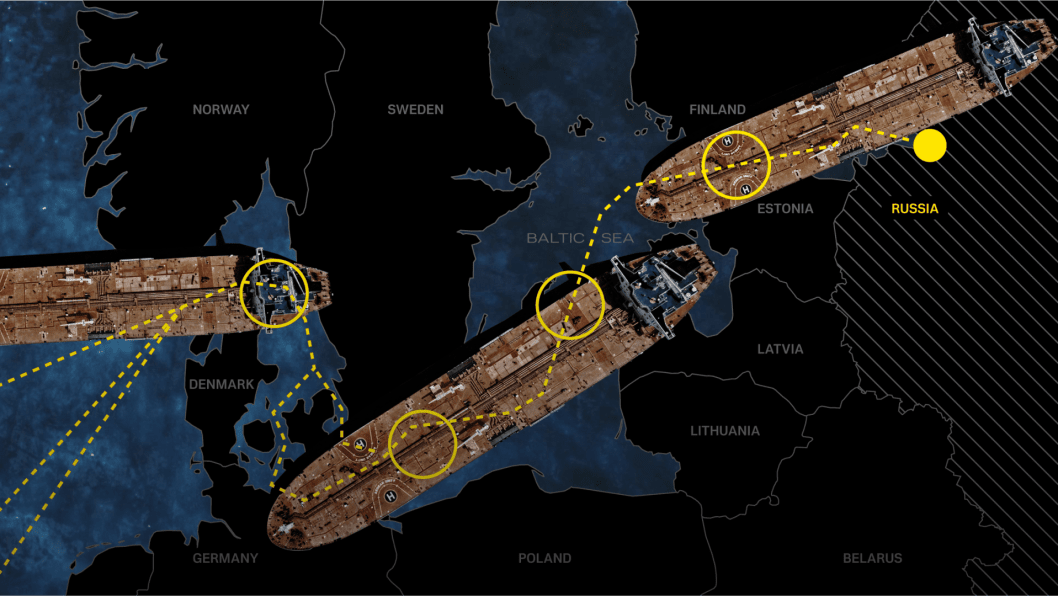
He further added that the decision was made to stabilize global energy markets and prevent price hikes, especially in light of the ongoing US-Israel operation against Iran.
“This temporary, narrowly focused measure is limited to oil already in transit and will not provide substantial financial benefits to the Russian government, which mostly generates its energy revenue from taxes on extraction,” Bessent clarified.
In other developments, Russia’s government is considering a draft law that could grant expanded authority for military operations outside the country’s borders, potentially allowing Russian forces to act abroad under the pretext of protecting Russian citizens, according to the Institute for the Study of War.
Discuss this article:
-9bd5e1532102621f8fb1c4ba871a3171.png)