- Category
- Latest news
US Issues 30-Day License for Purchase of Stranded Russian Oil to Stabilize Global Energy Markets
 Prefer U24 Media on Google
- Authors


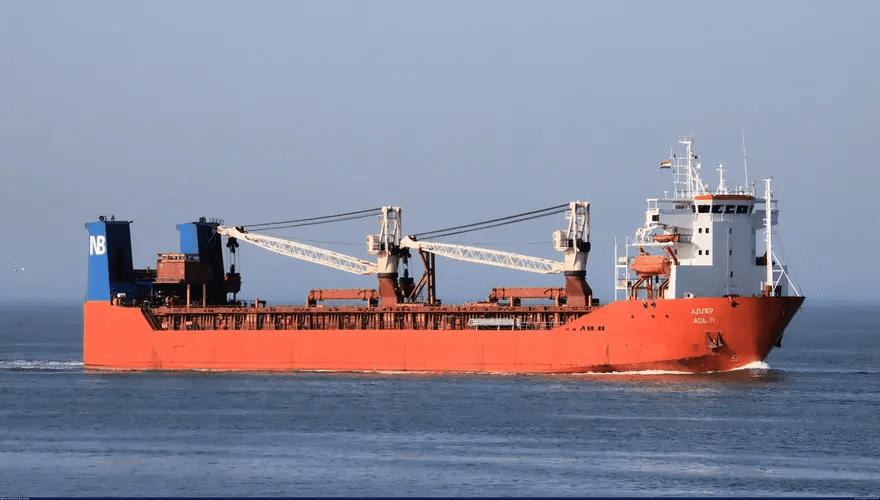
The United States has issued a 30-day license allowing the purchase of Russian oil and petroleum products currently stranded at sea. The US Department of the Treasury believes that this move will help stabilize global energy markets.
According to the Office of Foreign Assets Control at the US Department of the Treasury, the license permits the delivery and sale of crude oil and petroleum products originating from the Russian Federation that were loaded onto vessels as of March 12, 2026. The license will remain valid until April 11, 2026.
We bring you stories from the ground. Your support keeps our team in the field.
“Except as provided in paragraph (b) of this general license, all transactions prohibited by the above-listed authorities that are ordinarily incident and necessary to the sale, delivery, or offloading of crude oil or petroleum products of Russian Federation origin loaded on any vessel, including vessels blocked under the above listed authorities, on or before 12:01 a.m. eastern daylight time, March 12, 2026 are authorized through 12:01 a.m. eastern daylight time, April 11, 2026,” the Treasury Department stated in the official document.
US Secretary of the Treasury, Scott Bessent, clarified that this temporary easing of sanctions would not result in significant financial gains for the Russian government. Bessent explained on social media that the measure aims to improve global influence over supply channels.
“To increase the global reach of existing supply, the US Department of the Treasury is providing a temporary authorization to permit countries to purchase Russian oil currently stranded at sea,” Bessent wrote.
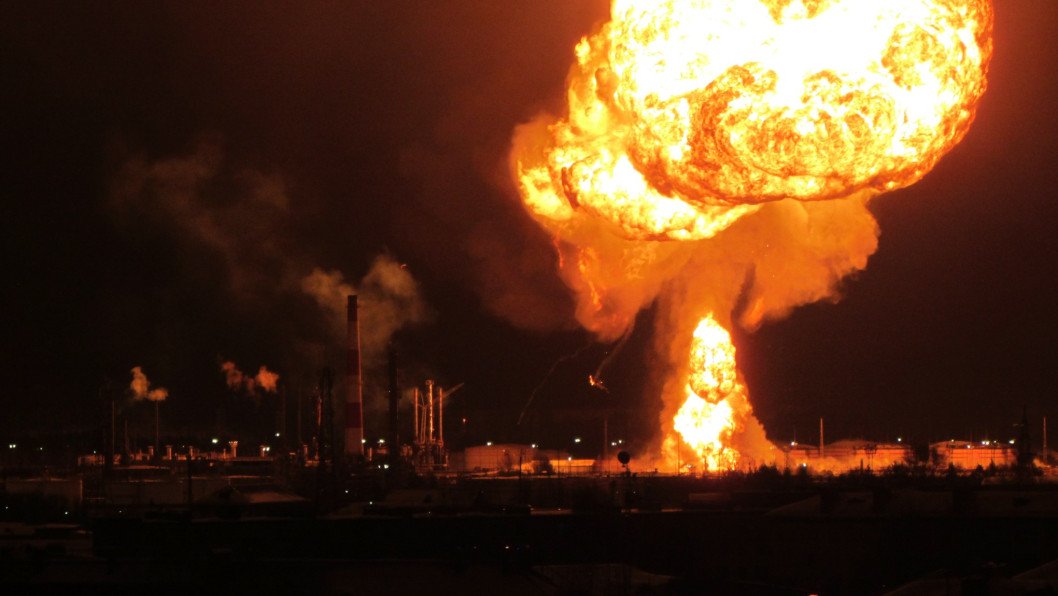
He explained that the decision aims to help stabilize global energy markets and avoid price increases amid the ongoing US-Israel operation in Iran.
“This narrowly tailored, short-term measure applies only to oil already in transit and will not provide significant financial benefit to the Russian government, which derives the majority of its energy revenue from taxes assessed at the point of extraction,” he added.
.@POTUS is taking decisive steps to promote stability in global energy markets and working to keep prices low as we address the threat and instability posed by the terrorist Iranian regime.
— Treasury Secretary Scott Bessent (@SecScottBessent) March 12, 2026
To increase the global reach of existing supply, @USTreasury is providing a temporary…
Bessent also reassured that the price increase in oil would be short-lived and would benefit the United States and its economy in the long term.
At the same time, the Group of Seven (G7) nations have agreed to maintain sanctions on Russia despite the ongoing conflict involving Iran.
French President Emmanuel Macron made the announcement following a meeting with G7 leaders, assuring reporters that the situation in Iran would not alter their stance on supporting Ukraine or undermine the group’s approach to sanctions on Russia.
“We remain firmly focused on Ukraine,” Macron stated. European Commission President Ursula von der Leyen reinforced this position on social media, writing that “this is not the moment to relax sanctions on Russia.”
Discuss this article:
-9a7b3a98ed5c506e0b77a6663f5727c5.png)