- Category
- Latest news
G7 Refuses to Ease Russia Sanctions Despite Iran Conflict
 Prefer U24 Media on Google
- Authors

-111f0e5095e02c02446ffed57bfb0ab1.jpeg "Photo of Roman Kohanets")
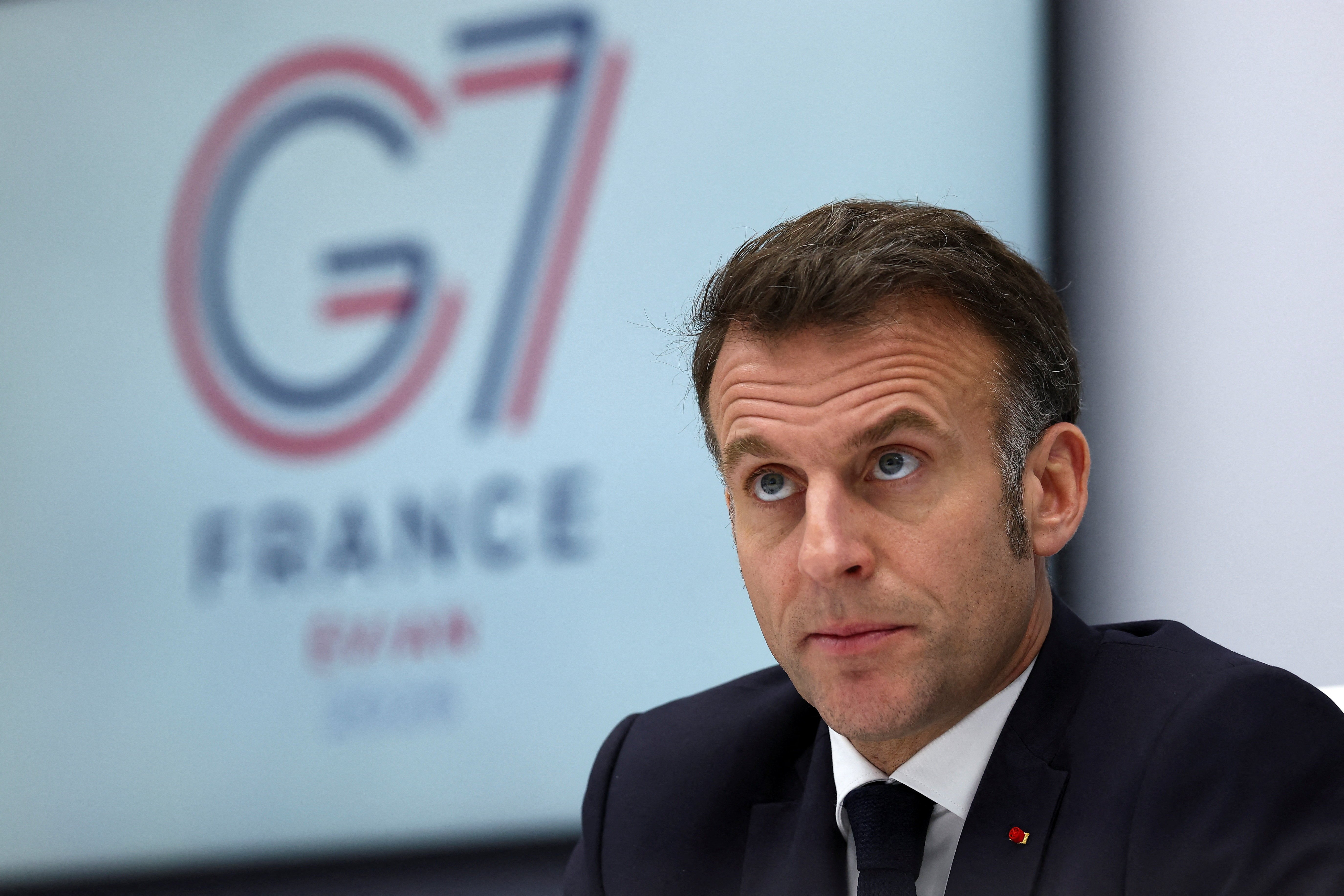
The Group of Seven (G7) countries agreed not to lift sanctions on Russia despite the conflict involving Iran, according to Deutsche Welle on March 11.
French President Emmanuel Macron announced the position after a meeting with G7 leaders.
He informed reporters that the situation in Iran should not reduce support for Ukraine or weaken the group’s approach to sanctions on Russia.
We bring you stories from the ground. Your support keeps our team in the field.
Macron also stressed that the G7 remained focused on Ukraine. European Commission President Ursula von der Leyen echoed that stance in a post on X, noting that “this is not the moment to relax sanctions on Russia.”
She also indicated that participants supported the International Energy Agency's decision to release 400 million barrels of oil from reserves. She described the step as necessary to stabilize global energy prices.
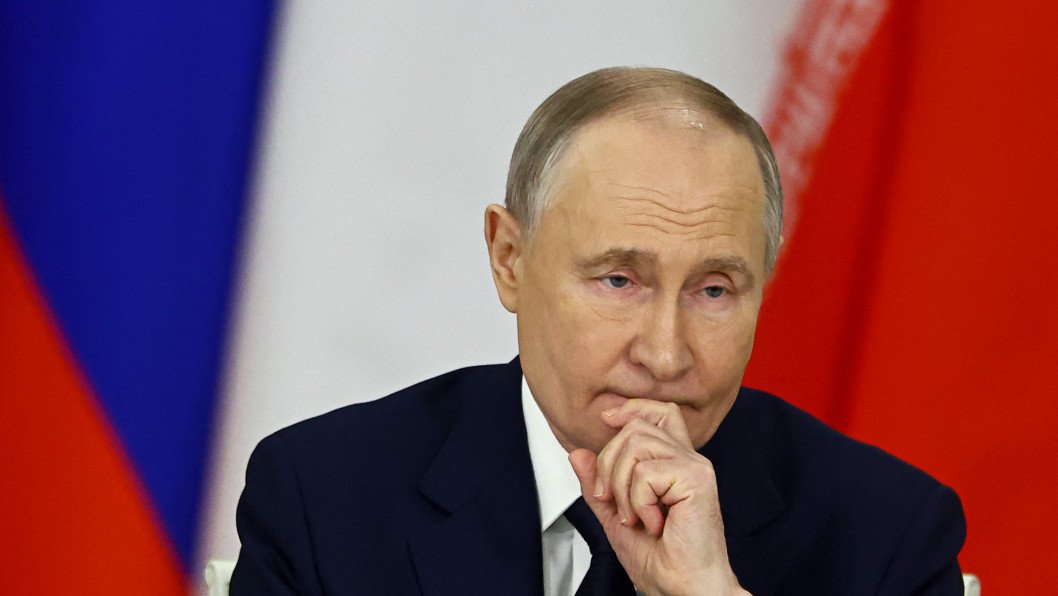
The statements were made while the US had previously granted India a 30-day sanctions waiver to accept Russian crude already at sea, aiming to keep oil flowing as the Hormuz crisis disrupted shipping, Treasury Secretary Scott Bessent said.
Washington said the waiver is intentionally short-term and should not significantly benefit Moscow, while signaling it expects New Delhi to ramp up purchases of US oil once supplies stabilize.
The step follows earlier US pressure over India’s discounted Russian imports, but mounting supply risks and price spikes have pushed refiners to seek alternatives, with dozens of Indian-linked ships reportedly delayed by the disruption.
Discuss this article:
-9a7b3a98ed5c506e0b77a6663f5727c5.png)

-c439b7bd9030ecf9d5a4287dc361ba31.jpg "Photo of Katherina Popilnichenko")