- Category
- Latest news
Russia Turns Demolished Mariupol Homes Into Road Material, Likely With Human Remains
 Prefer U24 Media on Google
- Authors

-111f0e5095e02c02446ffed57bfb0ab1.jpeg "Photo of Roman Kohanets")
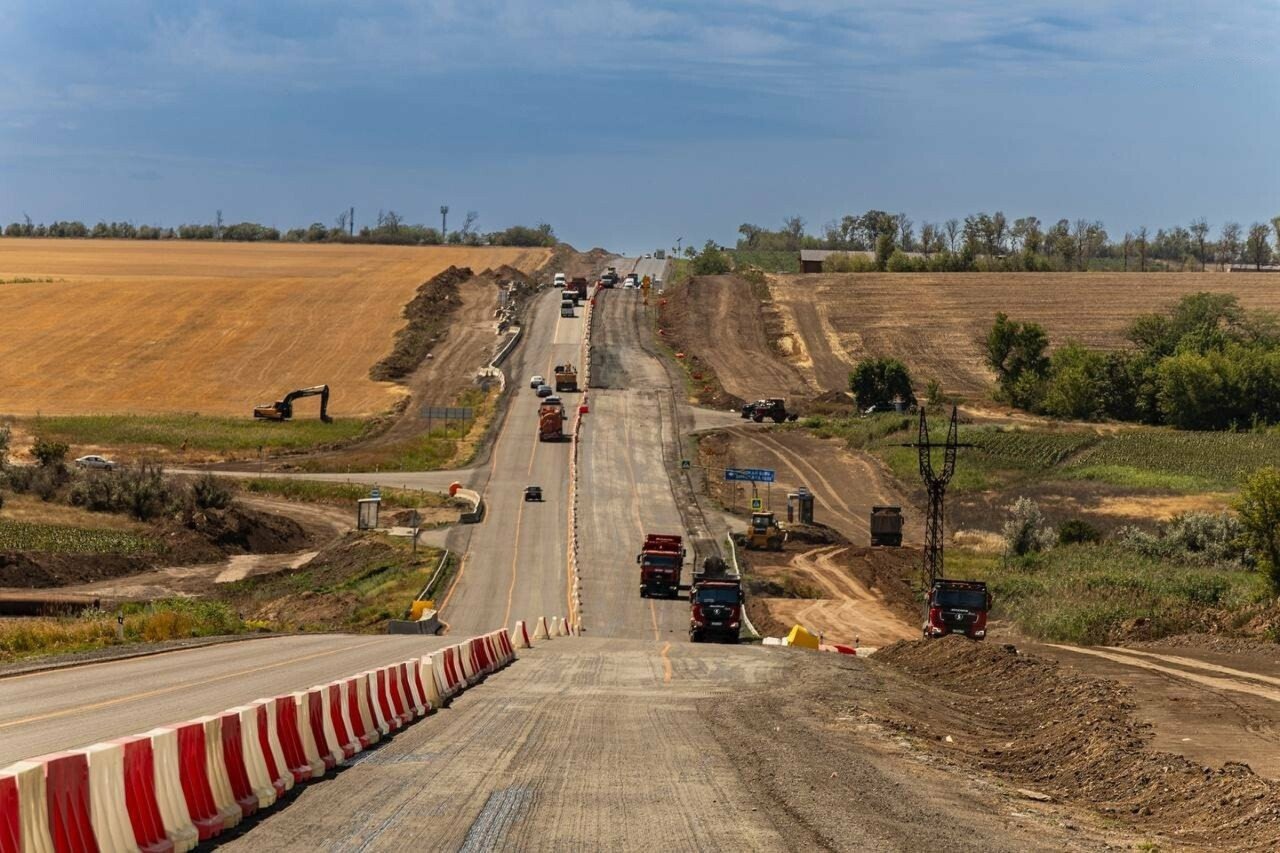
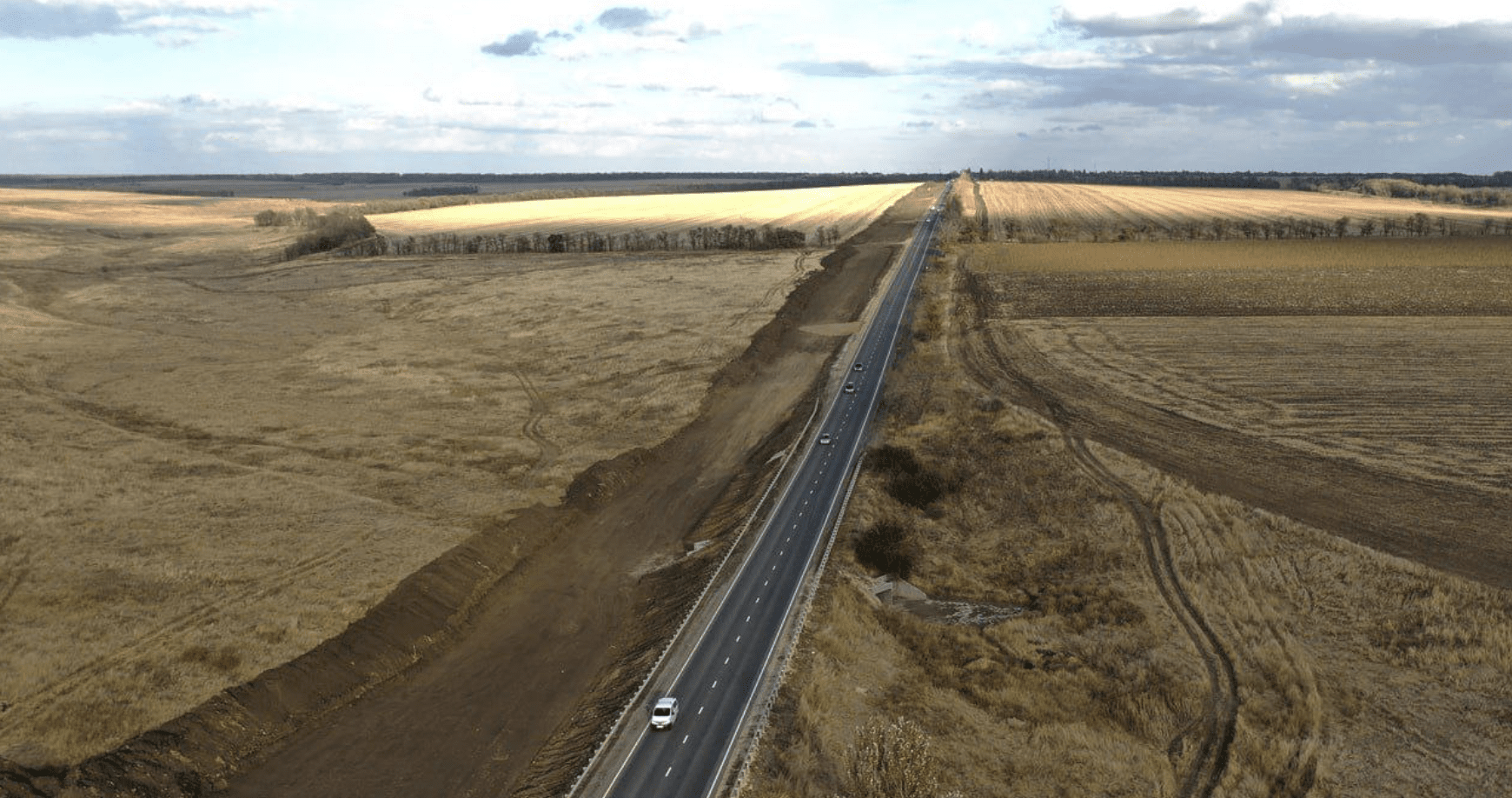
Russian occupation authorities have processed demolished Mariupol housing into about 100,000 tons of crushed stone used for highway construction in temporarily occupied southern Ukraine, likely mixed with the remains of dead residents, according to Khmarochos on May 15.
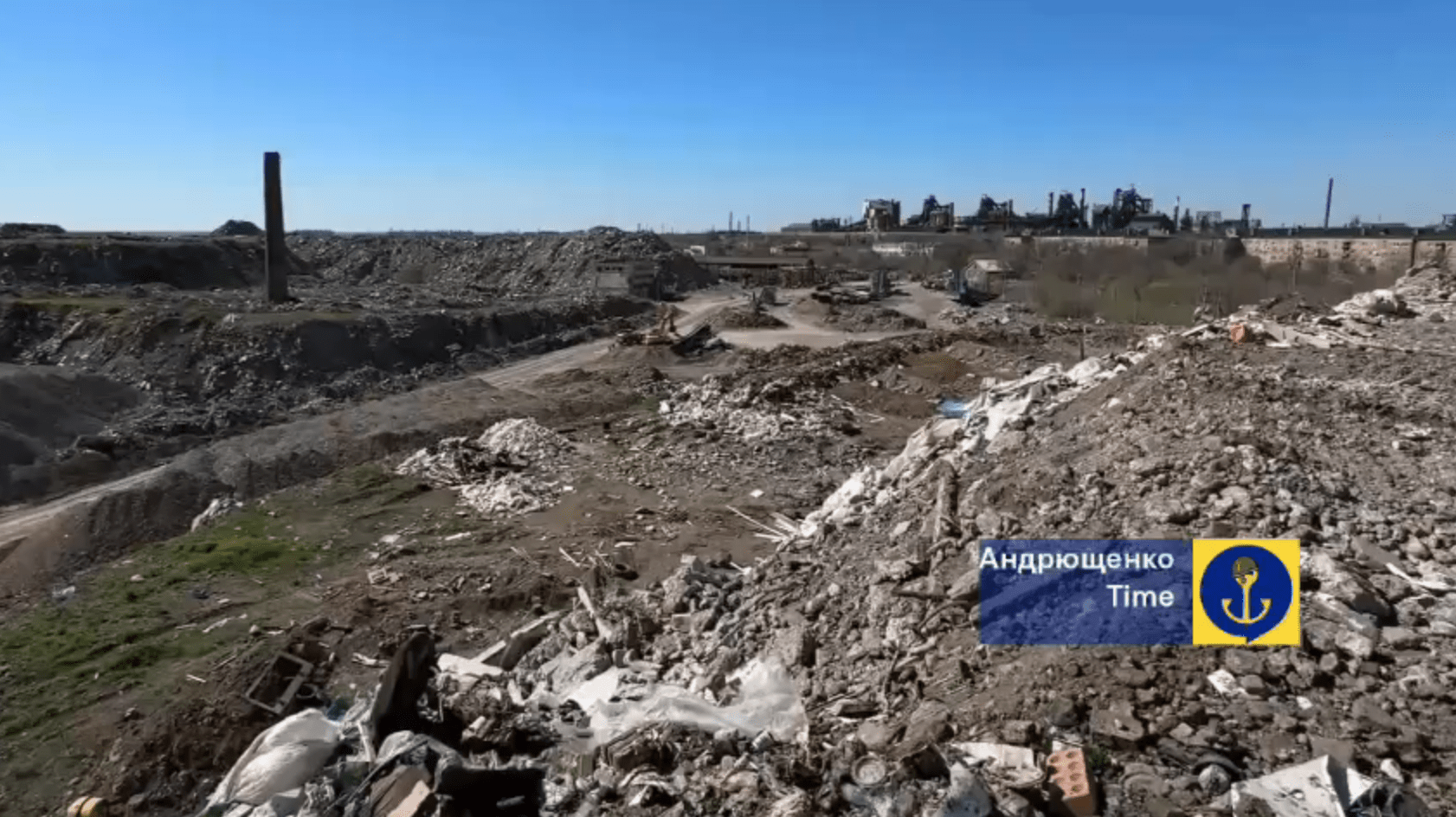
Petro Andriushchenko, head of the Center for Studying the Occupation, published footage from the "Ploshchadka B" landfill in Mariupol's Kalmiuskyi district, where rubble from buildings demolished in 2022 and 2023 is being crushed on site into road-grade aggregate.
We bring you stories from the ground. Your support keeps our team in the field.
The occupation administration has sold the processed material to contractors in Russia's Rostov region for use on the Novoazovsk-Mariupol highway, a future railway embankment, and a 31-kilometer bypass around the city.
Andriushchenko noted that the visible debris represents less than a third of the total output from demolition work. He stated that the recycling process has destroyed DNA evidence, making it impossible to determine how many Mariupol residents died or to identify them.
Three industrial crushers are operating at the facility around the clock, he reported in a post on his Telegram channel. The site was empty wasteland before the Russian seizure of the city.
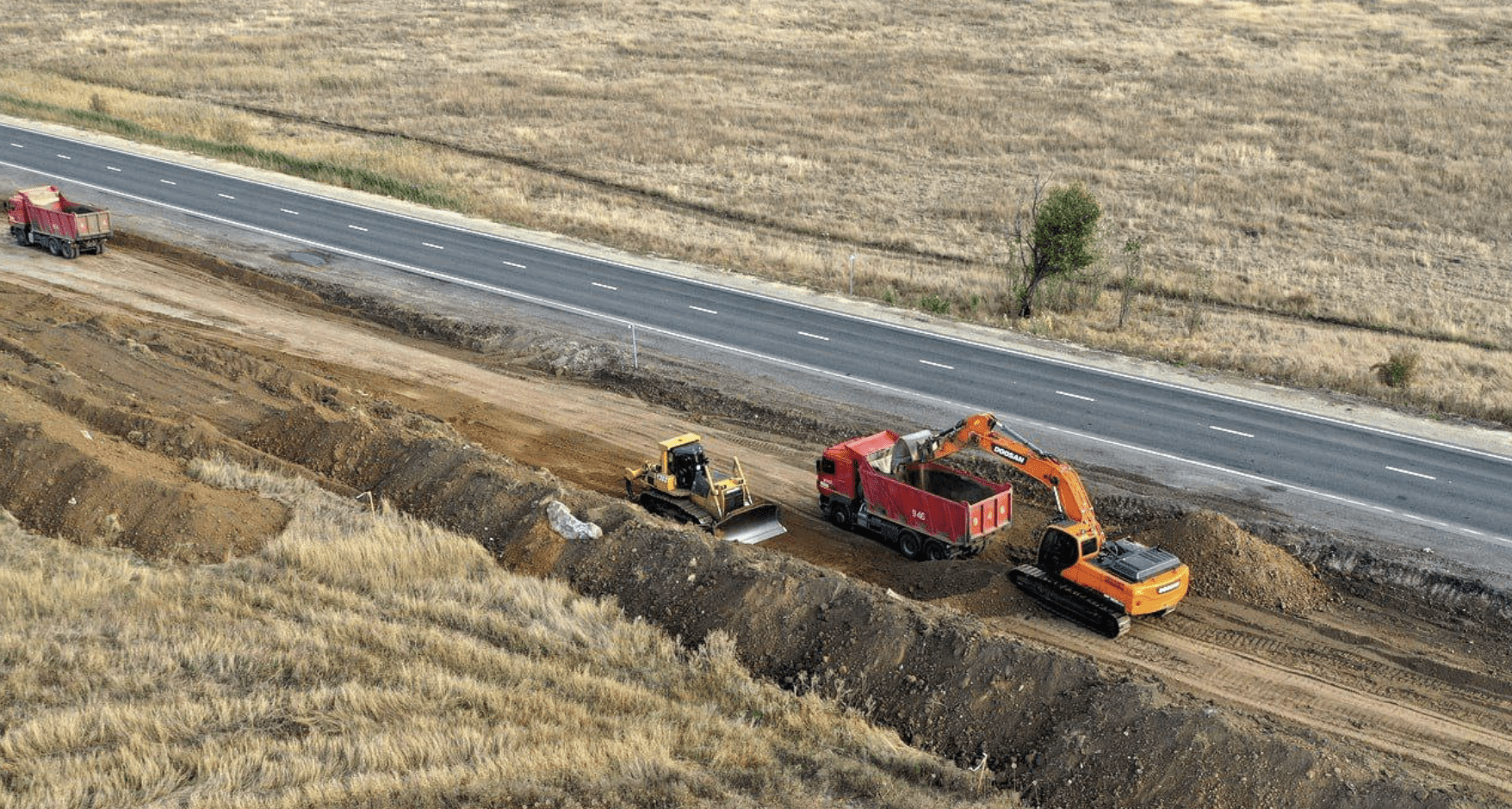
The crushed stone is feeding the R-280 highway, a 635-kilometer route from Rostov-on-Don through Mariupol, Melitopol, and Simferopol that Moscow promotes as an alternative to the Kerch Strait bridge.
Construction of the Mariupol bypass began in spring 2025, with the Novoazovsk-to-Mariupol section opened earlier this year. Russia plans to continue expanding the corridor through 2030.
The Russia-installed "mayor" of Mariupol, Oleh Morhun, acknowledged in February 2023 that "a very small" number of bodies had been recovered during demolition and sent for identification to determine whether they were civilian or military. Andriushchenko maintains that further remains lie buried in rubble that has already been ground down at the polygon.
The reported recycling of demolition rubble fits a broader pattern of evidence destruction documented across occupied Mariupol.
On April 21, satellite imagery showed that Russian forces had destroyed a mass burial site in Manhush, near the occupied city. Mariupol City Council reported that the area, where residents killed during the 2022 siege had been buried, was cleared and converted into a site for road-repair equipment.
The Manhush site was one of several mass grave locations documented near Mariupol after Russian forces seized the city in 2022. Earlier satellite imagery identified expanded burial zones in Vynohradne, Manhush, and the Staryi Krym cemetery during the occupation.
Ukrainian officials estimate that at least 22,000 civilians died during Mariupol's 86-day blockade, though the actual toll is believed to be higher. The city council has repeatedly stated that mass burial sites around Mariupol remain evidence of the scale of civilian deaths during Russia's assault.
Discuss this article: