- Category
- World
Oil Prices Plunge 11% as Trump Pauses Naval Mission Amid Iran Peace Talks
 Prefer U24 Media on Google
- Authors

-72b63a4e0c8c475ad81fe3eed3f63729.jpeg "Photo of Cyril Barabaltchouk")
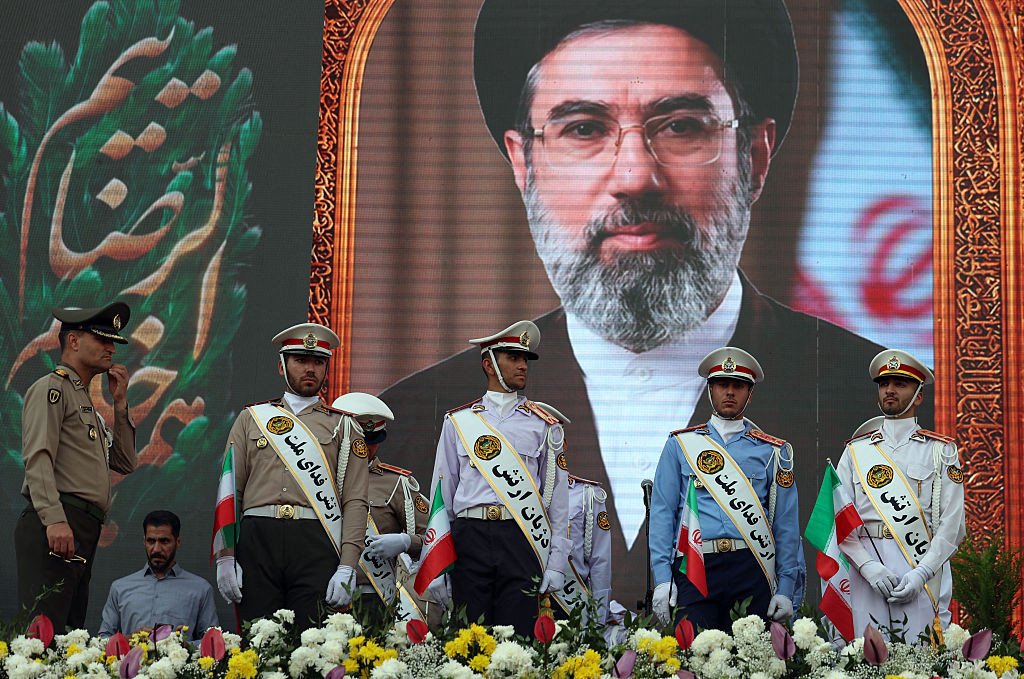
Global oil prices plunged by 11% after the US paused a recently launched naval mission. The sudden halt comes as Washington and Tehran inch closer to a 14-point memorandum to formally end the war in the Gulf, Reuters reported on May 6.
The potential breakthrough, mediated largely through Pakistan, outlines a preliminary ceasefire that sets aside complex issues like Iran’s nuclear program for later. If agreed upon, the memorandum would trigger a 30-day window for detailed negotiations aimed at unblocking the Strait of Hormuz, lifting US sanctions on Iran, releasing frozen Iranian funds, and establishing curbs on Tehran’s uranium enrichment.
We bring you stories from the ground. Your support keeps our team in the field.
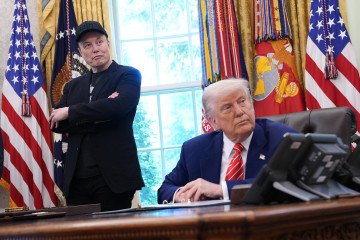
US President Donald Trump, whose envoys Steve Witkoff and Jared Kushner are reportedly leading the negotiations, paused the recently launched “Project Freedom” naval mission in response to the progress, according to Reuters.
However, Trump issued a stark ultimatum on social media, stating that the war—which he referred to as “Epic Fury"—could end if Iran complies, but warned: “If they don’t agree, the bombing starts, and it will be, sadly, at a much higher level and intensity than it was before.”
Reuters stated that the mere prospect of peace sent shockwaves through global energy markets. Benchmark Brent crude futures tumbled by approximately 11%, falling to around $98 a barrel on optimism that the war’s disruption to global energy supplies may soon end.
Despite the market optimism, major hurdles remain. Sources briefed on the text noted that it sidesteps key historical US demands, such as ending Iran’s ballistic missile program or its support for proxy militias. Furthermore, it does not explicitly address Iran’s existing 400 kg stockpile of near-weapons-grade uranium.
Reactions from Tehran remain mixed, with Iranian lawmaker Ebrahim Rezaei dismissing the reported text as “more of an American wish-list than a reality,” while Foreign Minister Abbas Araqchi stated Iran is holding out for a “fair and comprehensive agreement.” Meanwhile, an Israeli source told Reuters that Israel was unaware of the impending deal and was actively preparing for an escalation in fighting.
Tensions in the region remain highly volatile. Just a day before the reported pause in the US naval mission, a French shipping company reported that one of its container ships was struck in the Strait of Hormuz, requiring the evacuation of injured crew members.
The looming ceasefire between Washington and Tehran threatens to dismantle a lucrative proxy strategy for the Kremlin. For months, Moscow has served as the primary financial beneficiary of the Gulf conflict, capitalizing on the closure of the Strait of Hormuz to export record values of crude oil.
However, this windfall was not a coincidence, as, according to recent US intelligence revealed by General Dan Caine during a Senate hearing, Russia has actively provided operational support to Iran’s war effort in a direct bid to undermine American military objectives.
With global oil prices instantly plunging 11% on news of the potential 14-point peace memorandum, a finalized agreement would deal a double blow to Putin: neutralizing his efforts to destabilize the Middle East and wiping out the “war premium” that has been keeping the sanctions-hit Russian economy afloat.
Discuss this article:



-c439b7bd9030ecf9d5a4287dc361ba31.jpg "Photo of Katherina Popilnichenko")