- Category
- World
How US Naval Forces Shut Down Iran’s Covert Oil Exports to China
 Prefer U24 Media on Google
- Authors


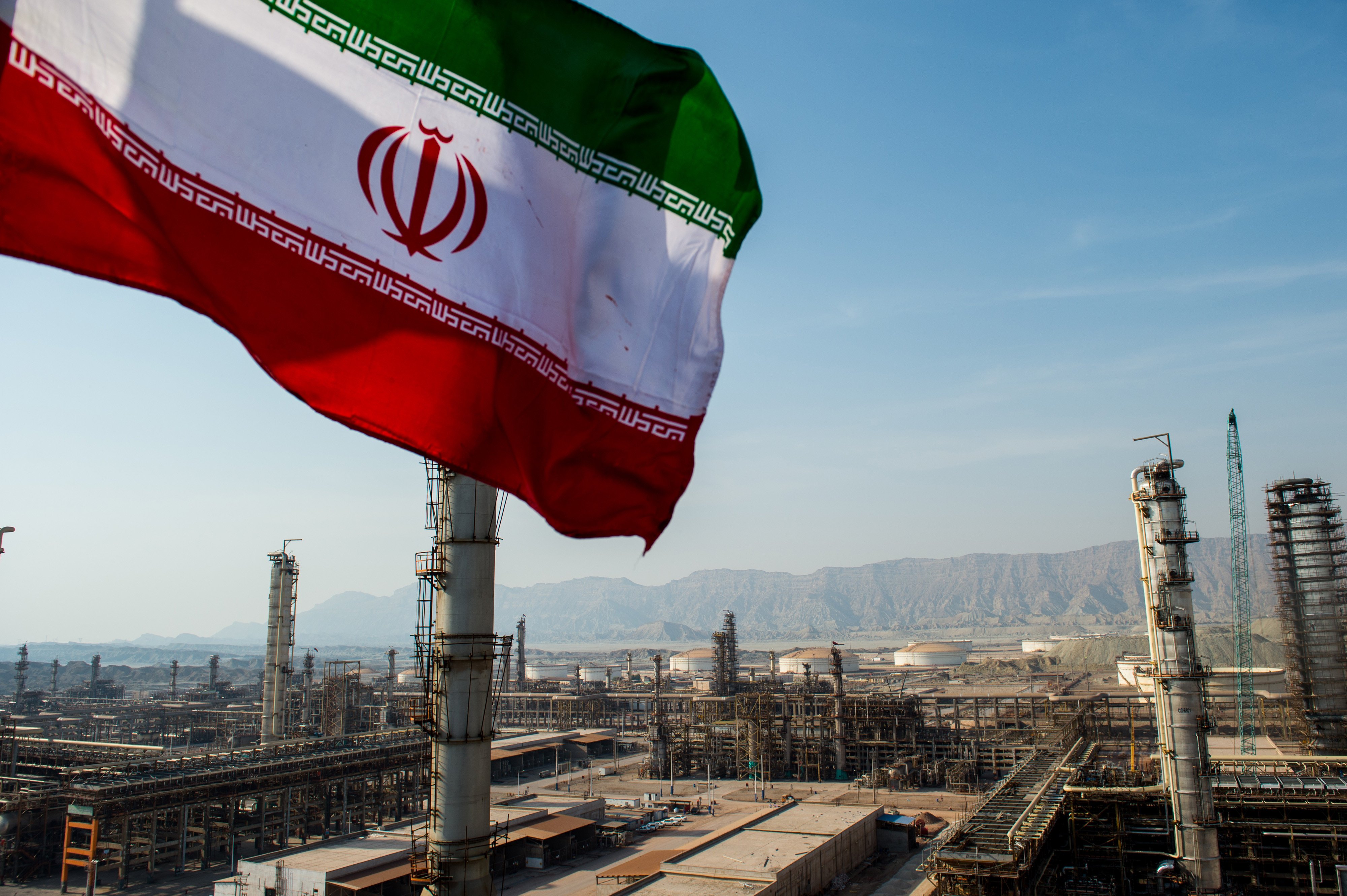
Iran’s long-standing strategy of withstanding US pressure—by sustaining oil exports to China and relying on asymmetric military tactics—may be facing its most serious challenge in decades following the imposition of a US naval blockade, The Wall Street Journal reported on April 30.
For years, Tehran managed to navigate sanctions and economic isolation by maintaining covert oil shipments, particularly to Chinese buyers. However, the current confrontation has altered that dynamic. After the outbreak of hostilities in February, Iran initially appeared to gain leverage by targeting vessels in the Strait of Hormuz, disrupting maritime traffic and affecting roughly one-fifth of global oil and liquefied natural gas supplies.
We bring you stories from the ground. Your support keeps our team in the field.
Six weeks into the conflict, Washington escalated its response by enforcing a blockade on shipments originating from all Iranian ports. The measure has effectively neutralized Iran’s “shadow fleet”—a network of tankers that previously evaded sanctions by disabling tracking systems and covertly transferring oil cargoes at sea before delivery to China. According to analysts, these vessels have been unable to bypass US naval forces, which have pursued them as far as the Indian Ocean.
Efforts to establish alternative trade routes are unlikely to offset the disruption. Tehran has explored transporting limited volumes of oil by rail to China and importing essential goods overland from the Caucasus and Pakistan. However, the Iranian Shipping Association estimates that only 40% of the country’s trade can be rerouted away from blocked ports, the outlet reeported.
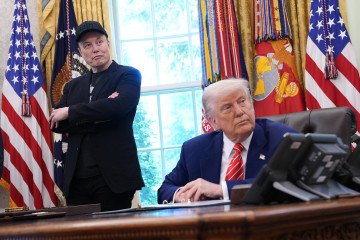
The escalating economic and security pressures have exposed divisions within Iran’s political leadership. Moderate figures, including President Masoud Pezeshkian, favor de-escalation and negotiations with US President Donald Trump, whom they believe is seeking a swift resolution to the conflict. These officials are also concerned about waning public support as the war’s economic toll deepens.
-3d828e5c5516bcde365c57e0cd1dd194.jpg)
In contrast, hard-line factions—led by figures such as Saeed Jalili—argue for a more aggressive approach. They advocate resuming direct military confrontation to drive global oil prices higher and intensify pressure on Washington. From their perspective, the blockade represents not merely an extension of sanctions but an act of war requiring a forceful response, The Wall Street Journal reported.
Analysts suggest Tehran may increasingly interpret the blockade as a form of warfare rather than a deterrent measure.
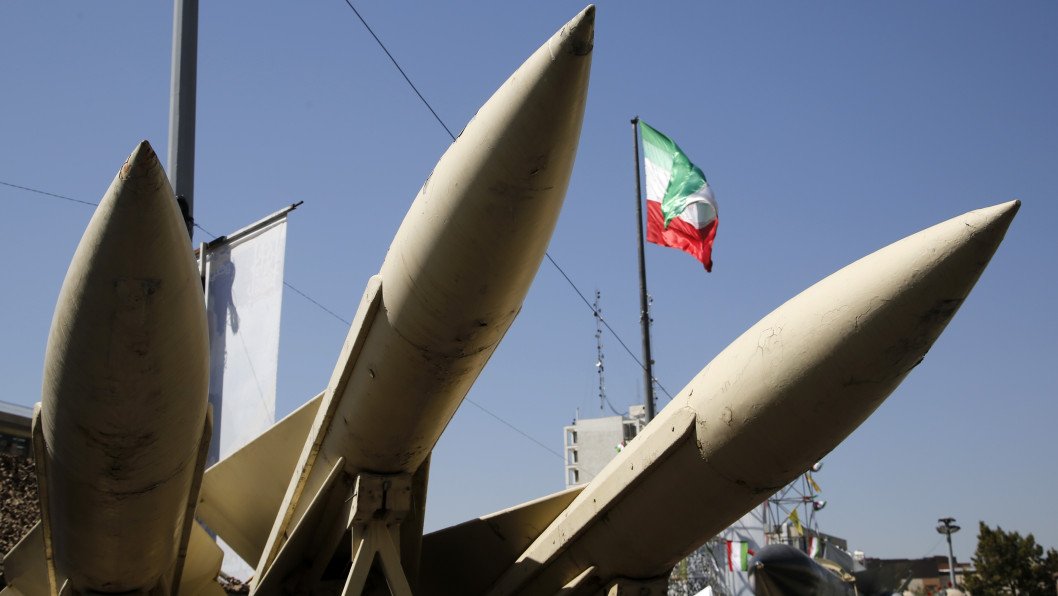
Iranian officials have indicated they could deploy unconventional tactics against US naval forces, including the use of submarines and other asymmetric capabilities. The Islamic Revolutionary Guard Corps has also threatened to escalate by targeting undersea communications infrastructure in the Strait of Hormuz, a move that could disrupt global internet connectivity.
-36ecf3ae032b188e3a67450954113aca.jpg)
According to US Central Command, at least 44 commercial vessels linked to Iran have been forced to turn back or remain in port. Data from commodities analytics firm Kpler indicates that no Iranian oil shipments have successfully breached the blockade to reach international buyers.
Iranian Foreign Minister Abbas Araghchi has said Tehran will seek ways to “neutralize restrictions” on maritime trade. However, with up to 90% of Iran’s conventional navy reportedly destroyed in US strikes, its capacity to challenge American naval forces directly remains limited, according to the outlet.
Both sides appear to be betting on the other’s resolve faltering first. Tehran is expects that Washington will ease the blockade to stabilize global markets and reduce domestic fuel prices, while US officials believe mounting economic pressure will eventually force Iran to concede.
The economic impact on Iran has been severe. More than one million people are reported to have lost their jobs, food prices continue to surge, and prolonged internet outages have disrupted online businesses. The national currency has depreciated sharply, losing more than half its value over the past year, with the exchange rate recently reaching 1.81 million rials ($$1.38) per US dollar.
Recently, following the cessation of hostilities in the Middle East, Ukraine could potentially dispatch its mine countermeasure ships to participate in a multinational mission to reopen the Strait of Hormuz to commercial shipping.
According to The Times, which cited a source within the Ukrainian defense establishment, four Ukrainian minehunting vessels currently stationed in the United Kingdom may be incorporated into a British and French-led task force. This operation would focus on neutralizing sea mines and safeguarding maritime transit through the strategically vital waterway.
Discuss this article:



-c439b7bd9030ecf9d5a4287dc361ba31.jpg "Photo of Katherina Popilnichenko")