- Category
- World
UAE Uses Stealth Shipping Tactics to Move Oil Through Blockaded Hormuz
 Prefer U24 Media on Google
- Authors

-c439b7bd9030ecf9d5a4287dc361ba31.jpg "Photo of Katherina Popilnichenko")
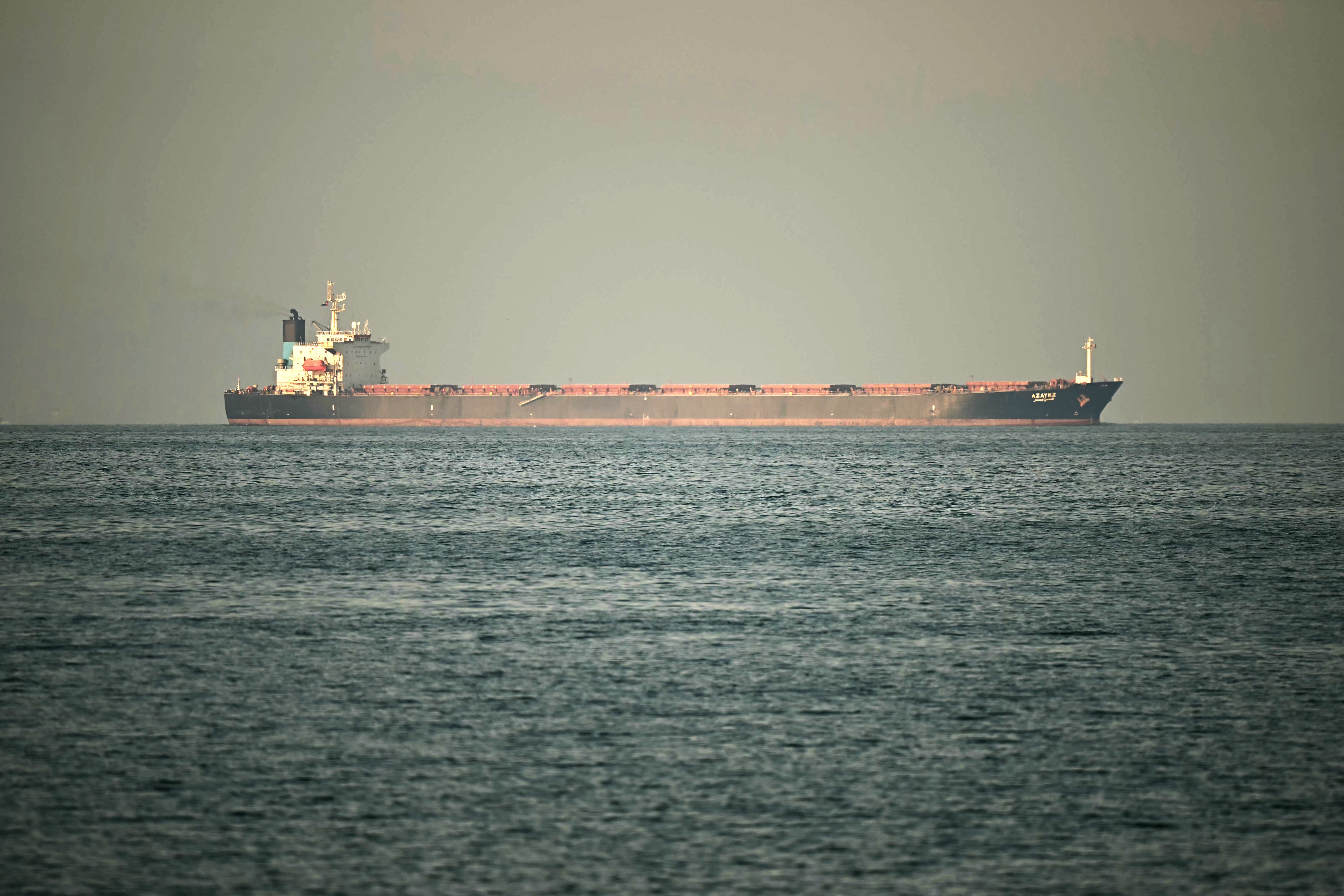
The United Arab Emirates and various buyers have recently moved several crude oil tankers through the Strait of Hormuz by turning off location trackers.
This move aims to avoid Iranian attacks and transport oil that has accumulated in the Persian Gulf due to the war in the Middle East, according to Reuters on May 7.
We bring you stories from the ground. Your support keeps our team in the field.
These volumes represent only a small portion of the typical exports from the UAE prior to the US-Israeli war against Iran. However, they show the risks that producers and buyers are willing to take to maintain oil sales. Other Gulf producers, such as Iraq, Kuwait, and Qatar, have either stopped sales or lowered prices to attract uninterested buyers. Saudi Arabia is currently making deliveries only through the Red Sea.
In April, the Abu Dhabi National Oil Company managed to export at least 4 million barrels of Upper Zakum crude and 2 million barrels of Das crude. This was done using four tankers from terminals in the Persian Gulf, based on data from Kpler and satellite analysis from SynMax.
ADNOC declined to comment on these shipments. Since the start of US-Israeli attacks on February 28, Tehran has effectively closed the Strait of Hormuz to most exports, cutting off a fifth of the world's oil and gas supply. This closure and the US blockade on Iranian exports have pushed global oil prices above $100 per barrel.
ADNOC has been forced to reduce exports by more than 1 million barrels per day since the war began. Most of its current exports consist of Murban crude, which travels by pipeline to Fujairah. Ships are now moving with their automatic identification system transponders turned off to reduce the chance of being spotted by Iranian forces. This is a tactic often used by Iran itself to bypass US sanctions.
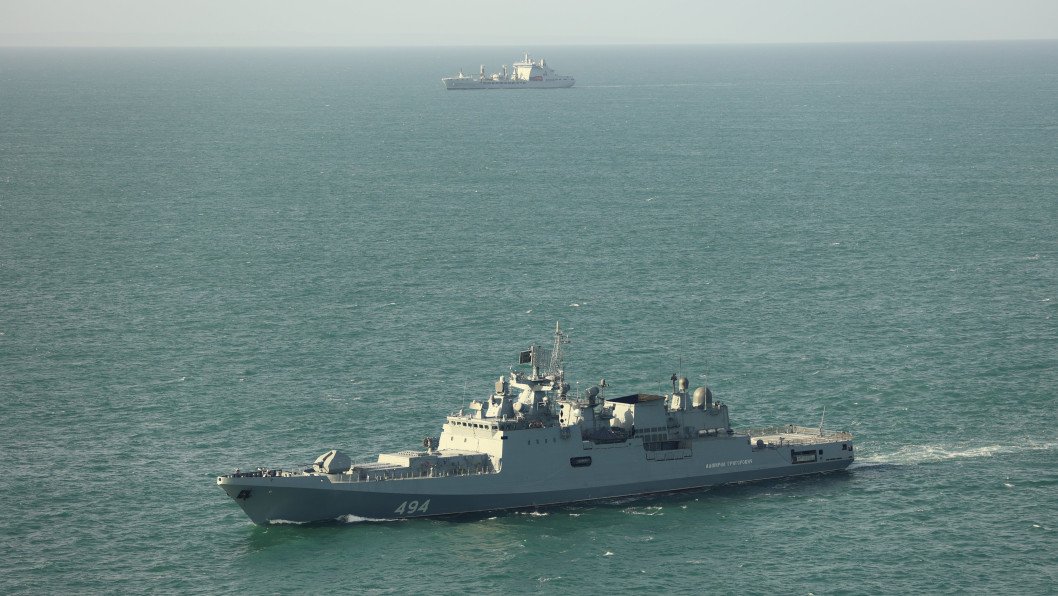
The use of these tactics makes it difficult to track total export volumes. Data shows that the tanker Hafeet loaded 2 million barrels of Upper Zakum oil on April 7 and exited the strait on April 15. The cargo was later transferred to the Greek-flagged vessel Olympic Luck and sent to the Pengerang refinery in Malaysia.
Ship-to-ship transfers allow ADNOC to sell smaller loads and return tankers to the Gulf quickly for reloading. One load of Upper Zakum oil was sold to a refinery in Northeast Asia at a record premium of $20 per barrel.
Other tankers, such as the Aliakmon I, have moved oil to storage terminals in Oman. Two additional tankers were identified heading to South Korea after leaving the strait.
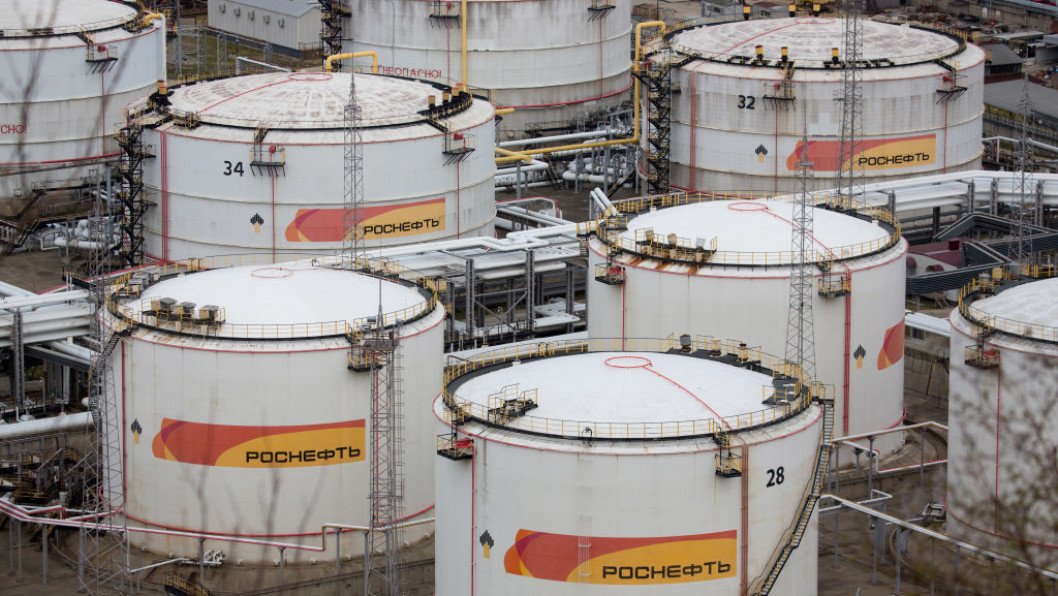
ADNOC intends to continue selling oil from within the strait. The company informed some clients in late April that they could load oil via transfers at ports outside the Persian Gulf starting in May. The company is currently in talks with Asian refineries regarding the sale of May cargo volumes.
On May 6, 2026, global oil prices plunged by 11% following the United States' decision to pause its "Project Freedom" naval mission. This sudden shift occurred as Washington and Tehran moved closer to a 14-point memorandum intended to end the war in the Gulf.
The potential breakthrough, mediated by Pakistan, outlined a preliminary ceasefire and a 30-day window for negotiations to unblock the Strait of Hormuz and address US sanctions.
While the prospect of peace sent Brent crude futures tumbling to around $98 a barrel, President Trump maintained a firm stance, warning that a failure to reach an agreement would lead to a significant escalation in military intensity.
Discuss this article:





-72b63a4e0c8c475ad81fe3eed3f63729.jpeg "Photo of Cyril Barabaltchouk")