- Category
- War in Ukraine
Ukraine Conditions Ceasefire Extension on Russian Compliance
 Prefer U24 Media on Google
- Authors

-c439b7bd9030ecf9d5a4287dc361ba31.jpg "Photo of Katherina Popilnichenko")
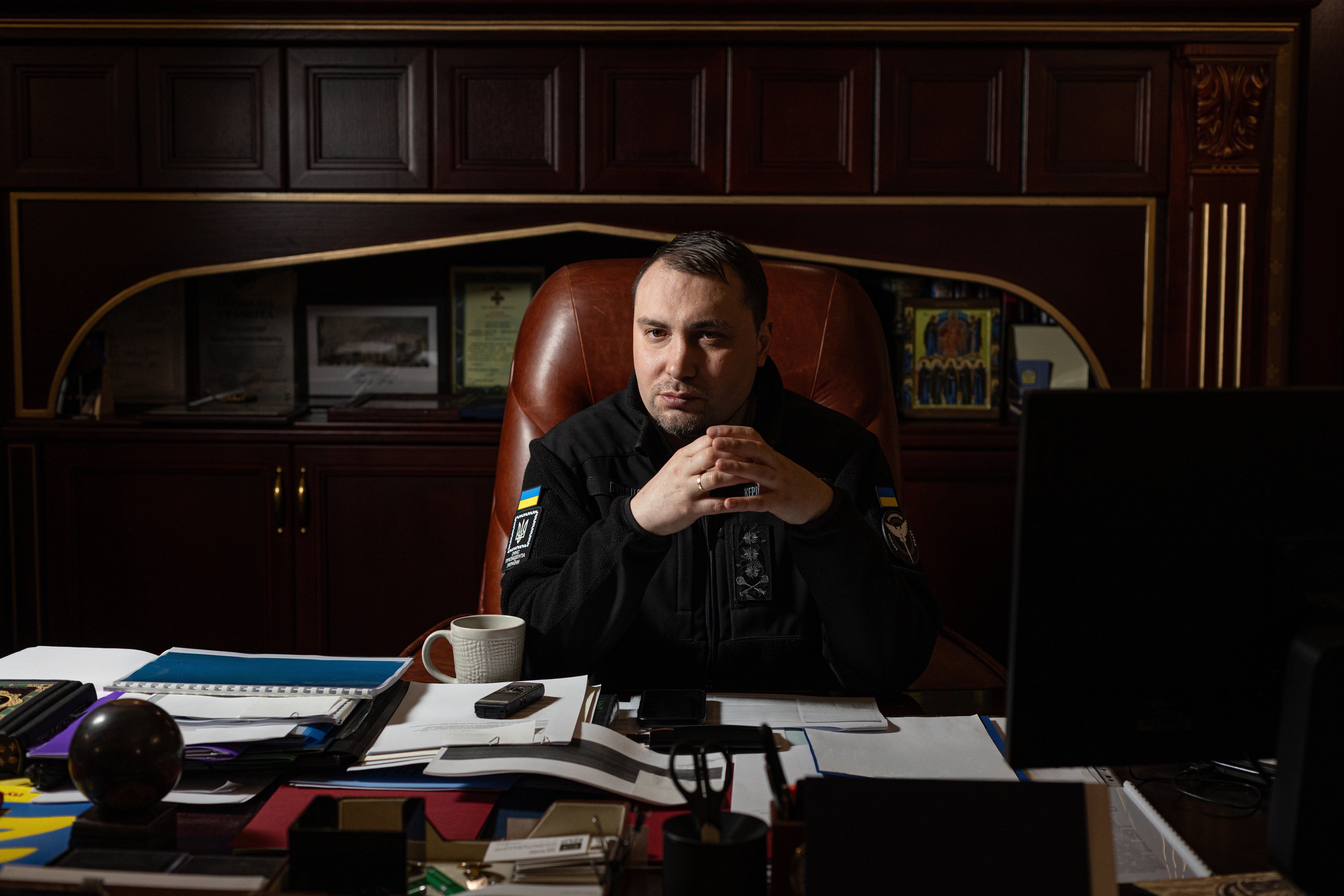
Ukraine said the ceasefire it introduced from midnight on May 6 could be extended if Russia reciprocates. Officials called it a step toward, even if limited, sustainable peace. The President’s Office stated the next move is now up to Moscow and that Ukraine is closely monitoring the situation.
Kyrylo Budanov, the Head of the Office of the President of Ukraine, discussed the ceasefire on social media on May 5. He stated that the measure reflects a genuine desire for peace. He explained that the decision was made to protect lives and restore safety rather than for ideological reasons.
We bring you stories from the ground. Your support keeps our team in the field.
Budanov said, "If the ceasefire declared by the president is mutual, we will continue it. And this will give us, perhaps a small, but a hope for the establishment of a sustainable peace."
The leadership stated that this step demonstrates a commitment to ending the violence. The focus has now shifted to Russia’s response and whether they will prioritize human life.
Budanov emphasized that Ukraine remains prepared for any changes in the situation.
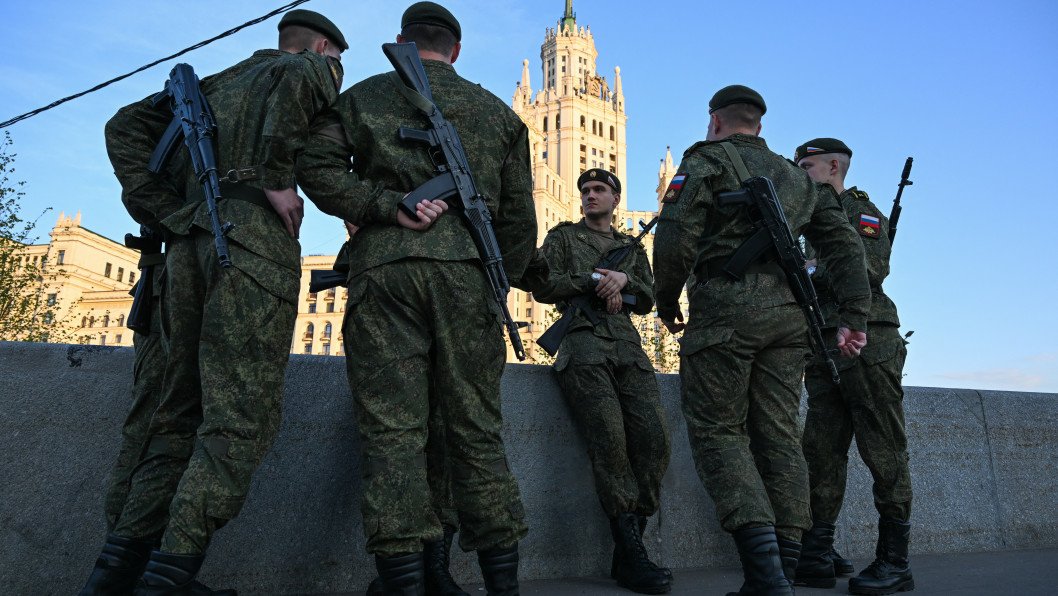
The Ukrainian statement follows Russia’s earlier declaration of a unilateral ceasefire for May 8–9, 2026, to mark the anniversary of the victory in World War II . Despite this call for a pause in hostilities, Moscow issued warnings that any disruption to their celebrations would lead to a massive missile strike on the center of Kyiv.
Russian officials advised civilians and foreign diplomats to leave the capital of Ukraine immediately, even though this rhetoric contradicted the history of Russia’s full-scale invasion of Ukraine and previous attacks on the city.
Meanwhile, Slovak Prime Minister Robert Fico confirmed his plans to visit Moscow to meet with Putin and lay flowers at the grave of the Unknown Soldier, though he stated he would not attend the military parade.
Discuss this article:
-4a56a6b482ec132402c16ef6fcabf9a2.png)