- Category
- World
Inside Britain’s Massive Operation to Track a Russian Warship
 Prefer U24 Media on Google
- Authors


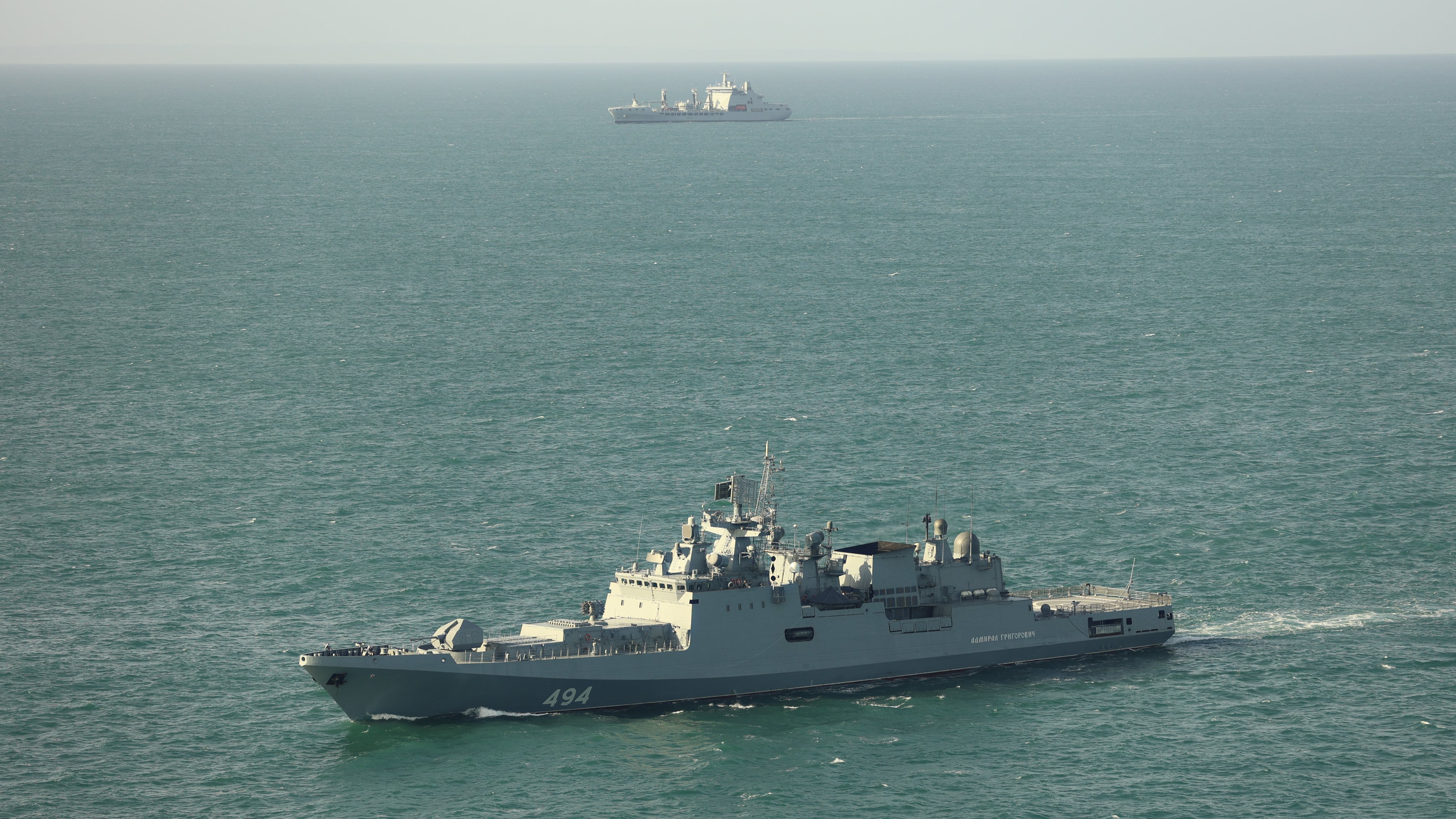
The Royal Navy carried out a large-scale month-long surveillance operation against the Russian frigate Admiral Grigorovich as it operated near British waters, according to BFBS Forces News on May 6.
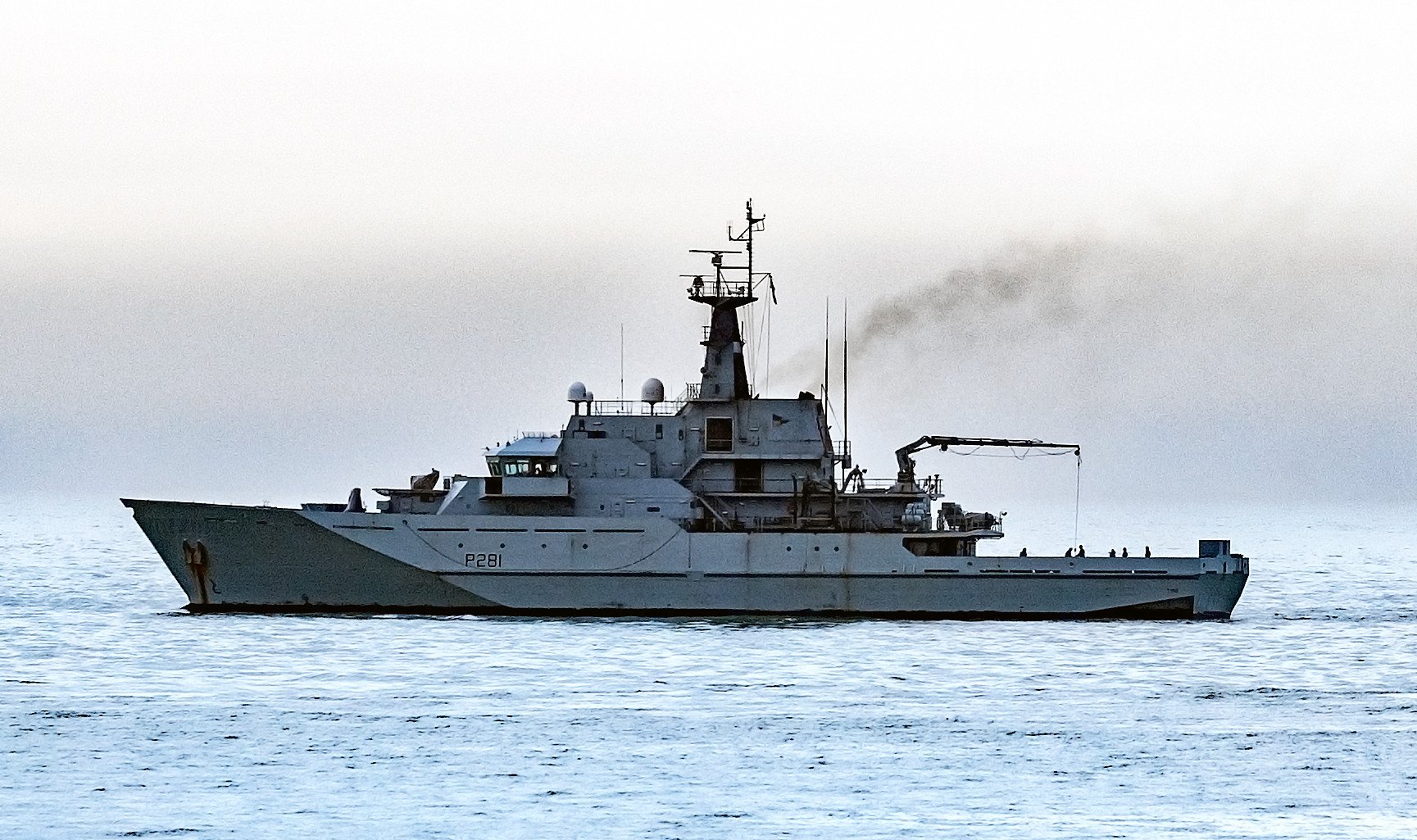
Forces News reported that the operation involved three Royal Navy offshore patrol vessels—HMS Tyne, HMS Mersey, and HMS Severn—alongside an RFA tanker, Wildcat helicopters from 815 Naval Air Squadron, and around 250 personnel.
We bring you stories from the ground. Your support keeps our team in the field.
According to the Royal Navy, HMS Tyne spent more time shadowing the Russian vessel than any other ship involved in the operation.
BFBS Forces News reported that at least one Wildcat helicopter was airborne every day throughout April, including multiple sorties during the Easter weekend, to track the movements of the Russian warship and associated vessels.
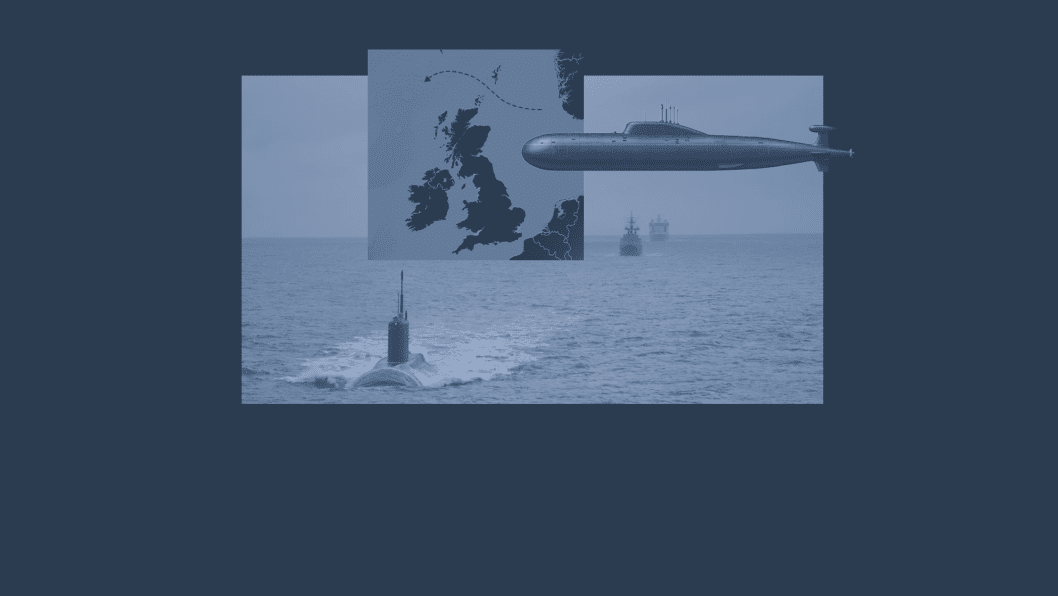
The Admiral Grigorovich reportedly moved repeatedly between the North Sea and the Western Approaches while escorting several Russian-flagged ships traveling between the Atlantic, Mediterranean, and Baltic regions.
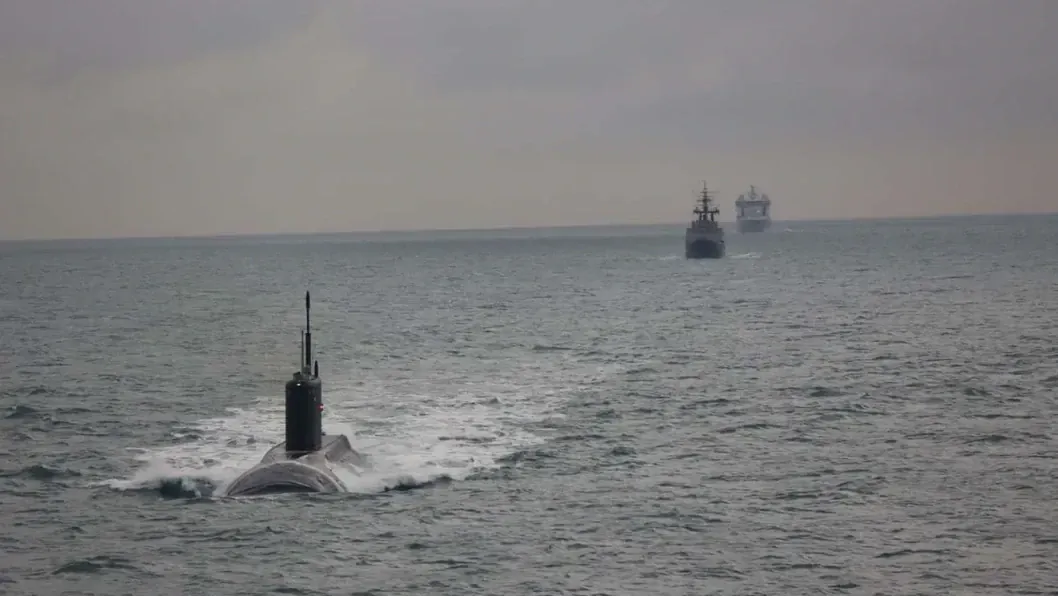
The Russian frigate accompanied at least one submarine and roughly six merchant or support vessels during its transit near or through British waters.
The operation drew particular attention after the Russian vessel reportedly stopped near critical UK infrastructure, including the Galloper offshore wind farm off the Suffolk coast, to take on fuel and supplies.
“As Russian warships continue to operate near our shores, our Armed Forces are there every day: watching, tracking and ready,” Armed Forces Minister Al Carns said, according to BFBS Forces News.
“This round-the-clock operation sends a clear message: UK waters are protected, our sailors and aircrew are alert, and we will always defend our nation and its vital infrastructure.”
Forces News noted that the scale of the operation also highlighted growing pressure on Britain’s limited naval fleet.
The Royal Navy currently operates eight offshore patrol vessels, but several are deployed overseas, including HMS Medway in the South Atlantic and HMS Spey and HMS Tamar in the Indo-Pacific region.
That meant a significant share of Britain’s available patrol fleet was committed to monitoring a single Russian warship throughout April.
Still, the Royal Navy emphasized the intelligence value of the operation.
“Valuable intelligence collection has taken place alongside monitoring of Russian activity and is a demonstration of Royal Navy presence and resolve,” Commander Douglas Keenan of 815 Naval Air Squadron said, according to BFBS Forces News.
Previously, HMS Prince of Wales, the largest warship in the Royal Navy fleet, departed Scotland for a major deployment to Nordic waters and the High North as the United Kingdom increases its military presence along NATO’s northern flank.
Discuss this article:



-c439b7bd9030ecf9d5a4287dc361ba31.jpg "Photo of Katherina Popilnichenko")

-72b63a4e0c8c475ad81fe3eed3f63729.jpeg "Photo of Cyril Barabaltchouk")