- Category
- Latest news
Putin Sent Secret Submarines Near UK Cables—But They Were Tracked the Entire Time
 Prefer U24 Media on Google
- Authors


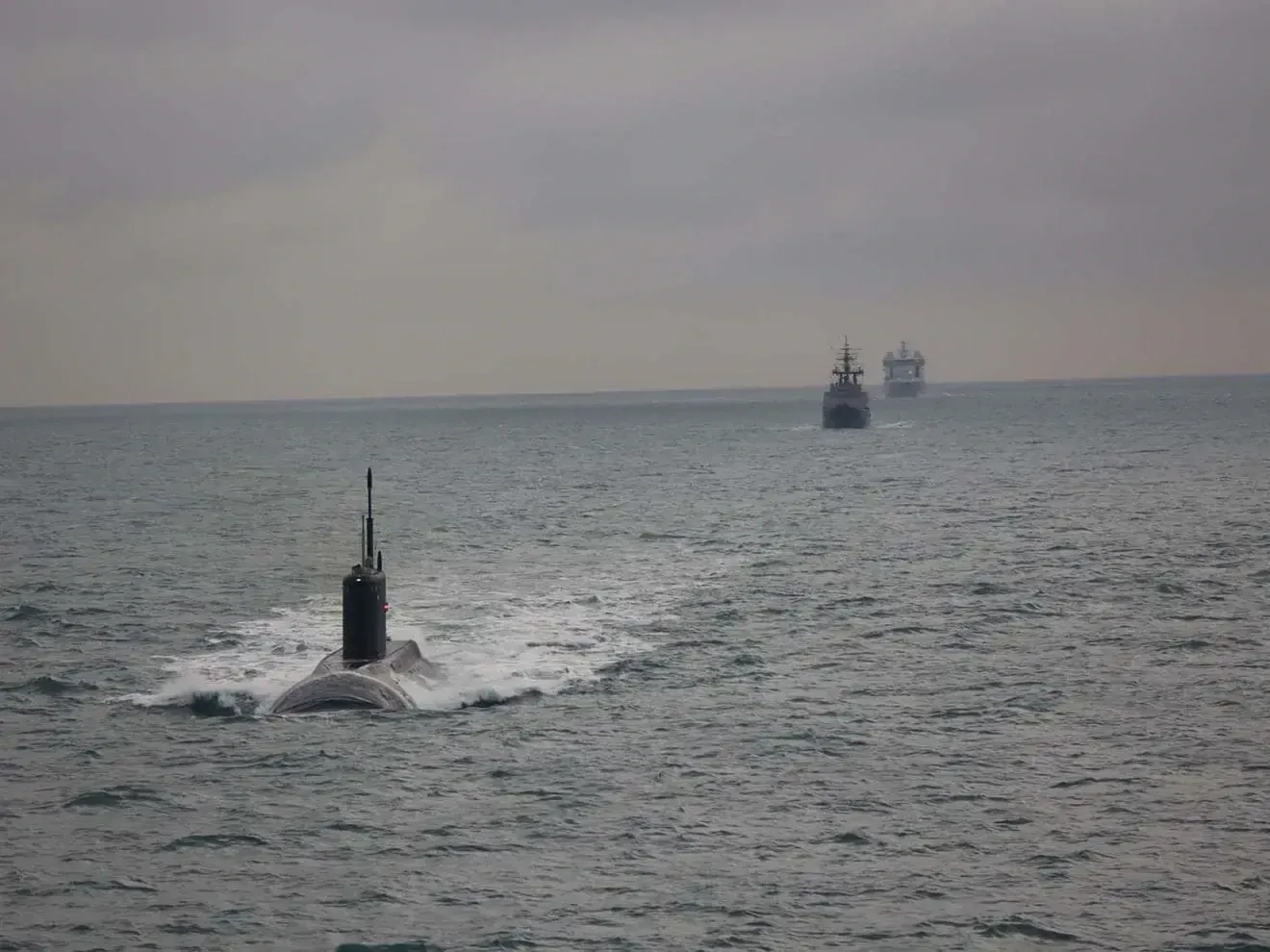
Russia conducted a covert submarine operation in waters near the United Kingdom that posed a potential threat to critical energy pipelines and data cables, UK Defense Secretary John Healey said, according to the UK government press release on April 9.
British and allied forces tracked a Russian Akula-class attack submarine along with two specialized deep-sea submarines linked to Moscow’s GUGI program for more than a month in the North Sea before the vessels withdrew.
We bring you stories from the ground. Your support keeps our team in the field.
According to Healey, the operation involved submarines capable of surveying—and potentially sabotaging—undersea infrastructure, a key vulnerability for modern economies that rely heavily on seabed cables for telecommunications and data transfer, the Telegraph reported.
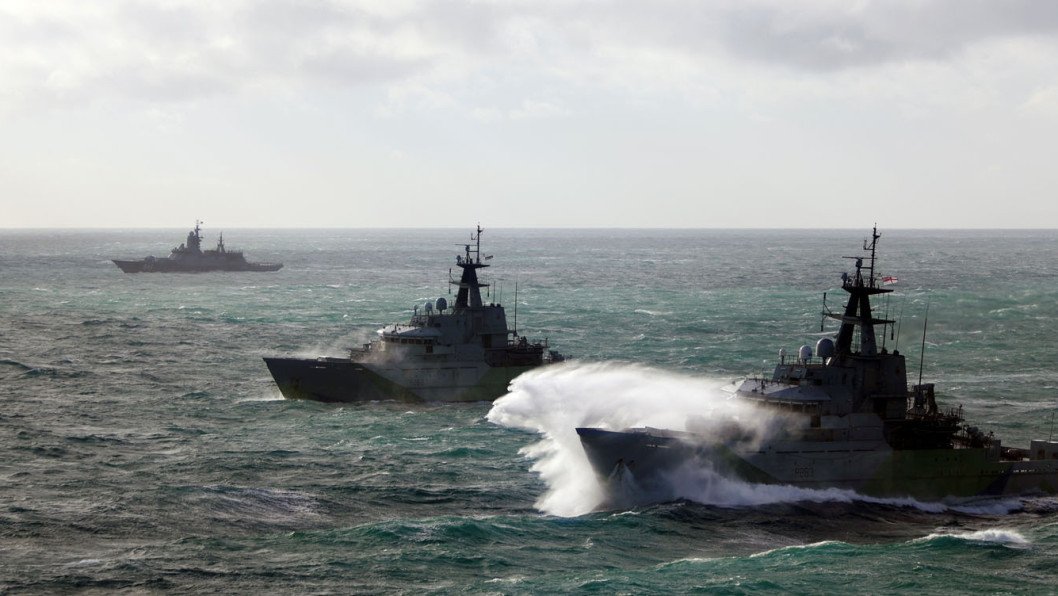
British warships deployed sonar buoys during the operation to deter the submarines and signal that their activity had been detected. “We see you, we see your activity over our cables and our pipelines, and you should know that any attempt to damage them will not be tolerated and will have serious consequences,” Healey said.
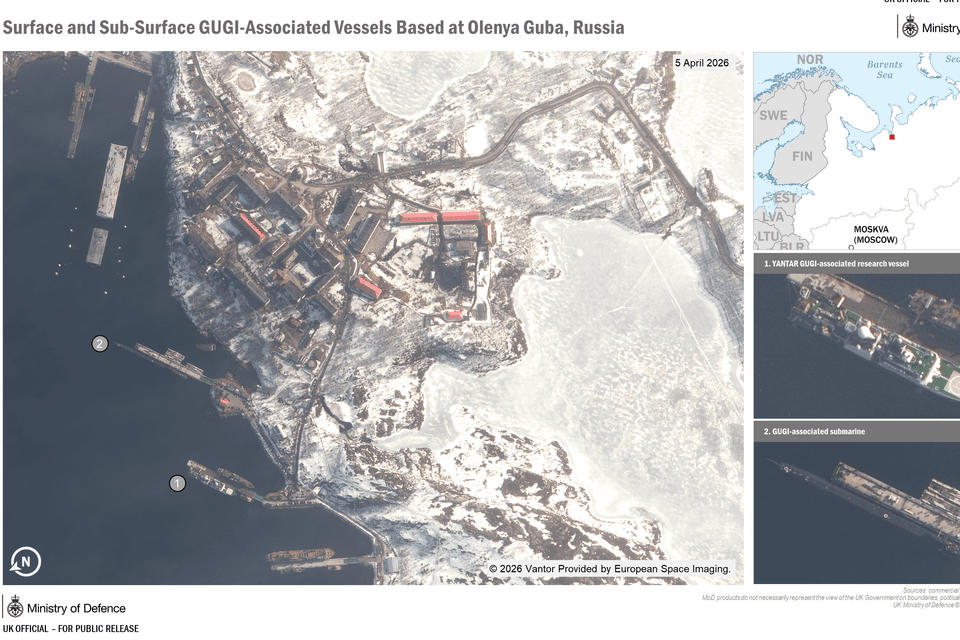
As the Telegraph noted, the submarines spent time operating near critical infrastructure in the North Atlantic, prompting a coordinated response involving the Royal Navy, Royal Air Force P-8 patrol aircraft, and allied forces, including Norway.
The UK deployed more than 500 personnel during the operation, with aircraft flying over 450 hours and naval vessels covering thousands of nautical miles, according to the Telegraph.
Today, UK Defense Secretary John Healey announced that Russia has been conducting covert undersea operations near its critical undersea infrastructure north of the nation in the last few months. According to Secretary Healey, the operation involved one Russian Akula-class attack… pic.twitter.com/fdvNzVgbKy
— OSINTdefender (@sentdefender) April 9, 2026
Healey suggested the Russian deployment may have included a decoy element, with the Akula-class submarine potentially used to divert attention from the smaller GUGI vessels, which specialize in deep-sea operations.
The incident underscores growing concern among Western officials that Russia is increasingly focused on undersea infrastructure as part of hybrid warfare, particularly at a time when global attention has shifted toward conflicts in the Middle East.
“The greatest threats are often unseen and silent,” Healey said, warning that the seabed has become a critical domain for both economic security and military competition.
The Telegraph previously reported that Russian vessels linked to similar operations, including the spy ship Yantar, had been observed near undersea cables in recent months, reinforcing concerns about Moscow’s ability to map and potentially disrupt critical networks.
UK officials said there is no evidence that any damage was caused during the latest operation, but emphasized that monitoring and deterrence efforts will continue as Russia remains what Healey described as the primary threat to UK and NATO security.
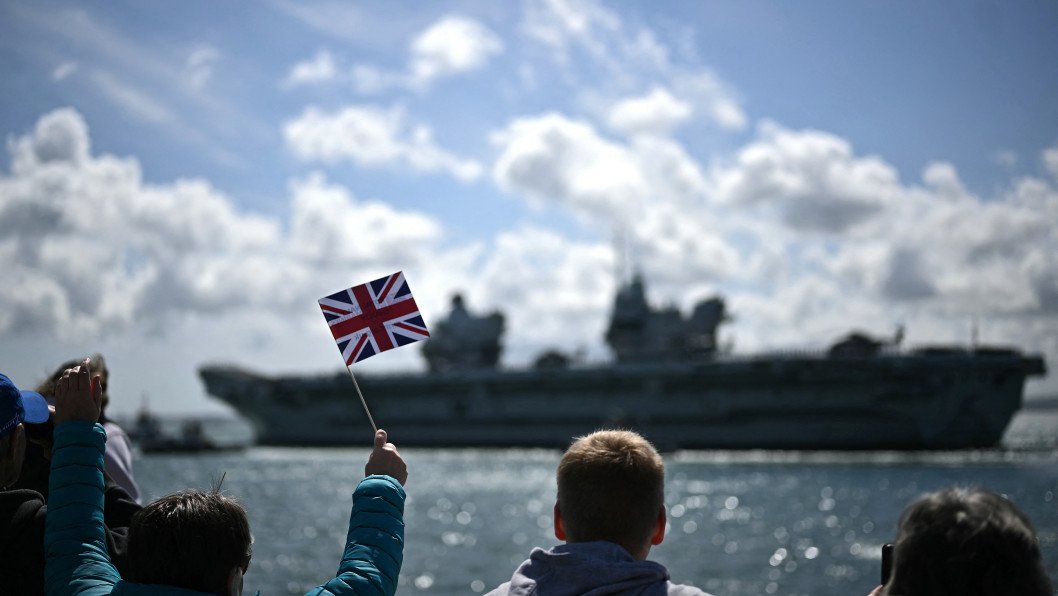
Earlier, British military forces ordered a Russian cargo vessel to leave UK territorial waters after it anchored dangerously close to transatlantic undersea communications cables in the Bristol Channel.
The Russian-flagged vessel SINEGORSK dropped anchor roughly 2.3 miles (3.7 km) off the coast of Somerset.
According to the report, the ship’s position placed it less than 1.1 miles (1.8 km) from a cluster of critical subsea telecommunications cables linking the UK with the United States, Canada, Spain, and Portugal.
Discuss this article: