- Category
- World
RAF Brings P-8 Poseidon to Northern Ireland for First Time as Atlantic Tensions With Russia Rise
 Prefer U24 Media on Google
- Authors


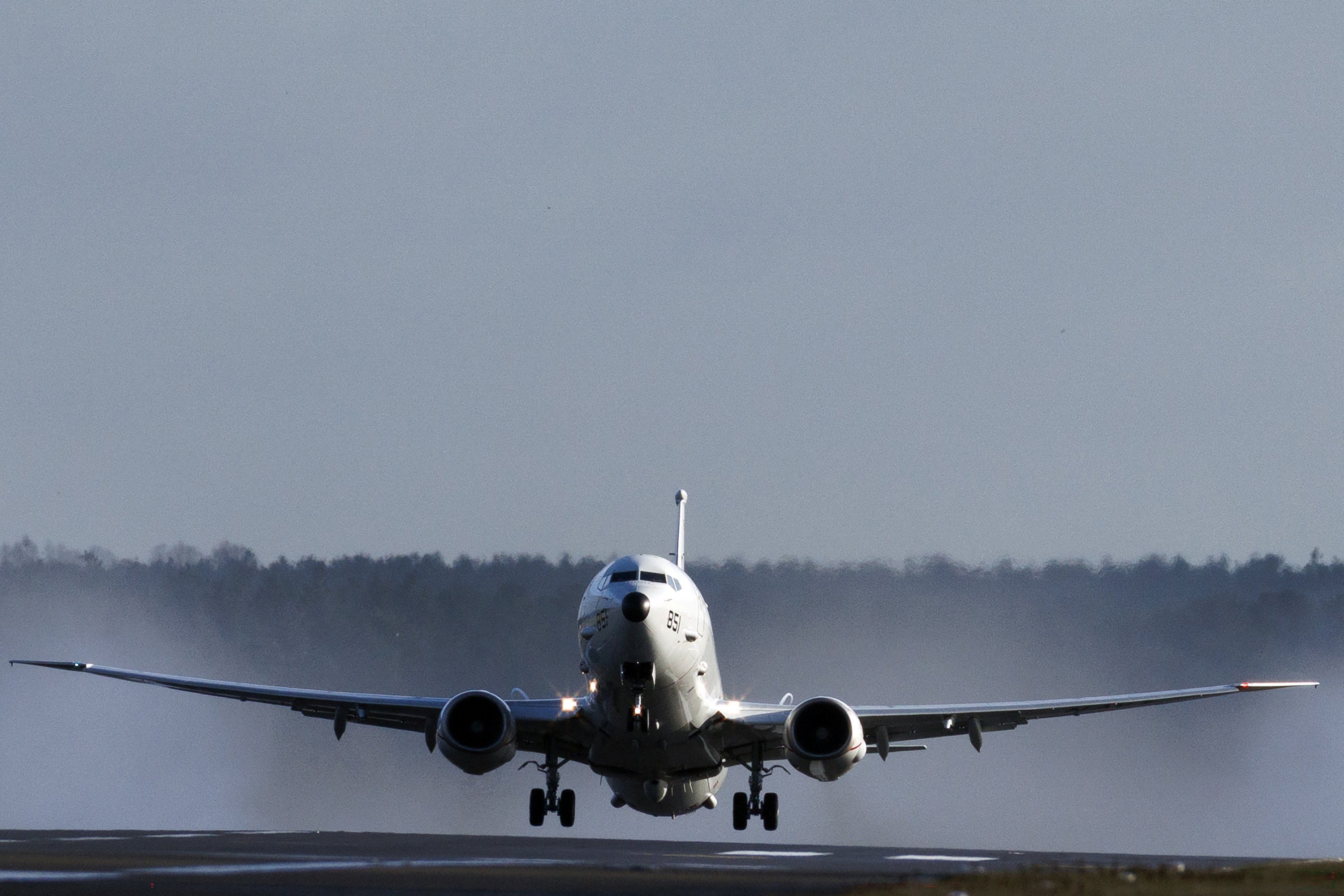
The Royal Air Force has for the first time operated its P-8 Poseidon maritime patrol aircraft from Northern Ireland, marking a notable shift in how the UK positions its forces in the North Atlantic amid growing concerns over Russian naval activity, BFBS Forces News reported on April 29.
We bring you stories from the ground. Your support keeps our team in the field.
The aircraft was deployed from Joint Helicopter Command Flying Station Aldergrove in County Antrim as part of Exercise Emerald Rescue, a joint search-and-rescue drill involving the Coastguard and the Royal National Lifeboat Institution.
The move comes shortly after the United Kingdom and Ireland signed an updated defense memorandum in March aimed at strengthening bilateral military cooperation.
See inside the cockpit of the P-8 Poseidon aircraft 👀
— BFBS Radio (@BFBSRadioHQ) March 19, 2026
Flight Lieutenant Phil Clements showed us around the Poseidon MRA1 at last week's @royalairforceuk Air Space Combat Power Event at @royalairforcebrizenorton
He told us about the aircraft's capabilities, uses and some of… pic.twitter.com/vpE8XvdqzB
Ireland has a strategic role in the Atlantic
Military officials say the deployment highlights the increasing importance of the island of Ireland in securing a critical stretch of the North Atlantic.
Brigadier Piers Ashfield, commander of 38 Brigade and the senior military officer in Northern Ireland, described the region as being in an “absolutely critical position” due to its geography.
“Ireland has always been a prisoner of that geography, and where it operates in the Greenland-Iceland gap… you’ve seen the various ministerial leaders of the MOD describing the threat from Russian naval operations in that space that threatens both the critical national infrastructure that not only the UK depends on, but a significant part of Europe and our allies and partners depend on as well,” Ashfield said.
A rare look at the weapons bay of a P-8A poseidon Long Range maritime patrol aircraft (LRMP-A) armed with Mk-54 ASW Torpedoes 🤯 pic.twitter.com/gE9NsFa1YS
— INTEL-24 (@Tracking_Live) April 26, 2026
“It occupies an absolutely critical position covering this really important stretch of water in the North Atlantic,” he added.
Aldergrove, the RAF’s most westerly base, provides a forward location that could be used not only by the UK but also by NATO partners operating in the region, Forces News wrote.
Wing Commander Rob McCartney, head of 201 Squadron, said the deployment was intended to demonstrate the base’s future potential.
“While we’re here doing search and rescue, we’re also here to plant a little flag in Aldergrove and say the RAF is here in Aldergrove, we plan to operate here and we plan to operate much closer with our Irish partners,” he said.
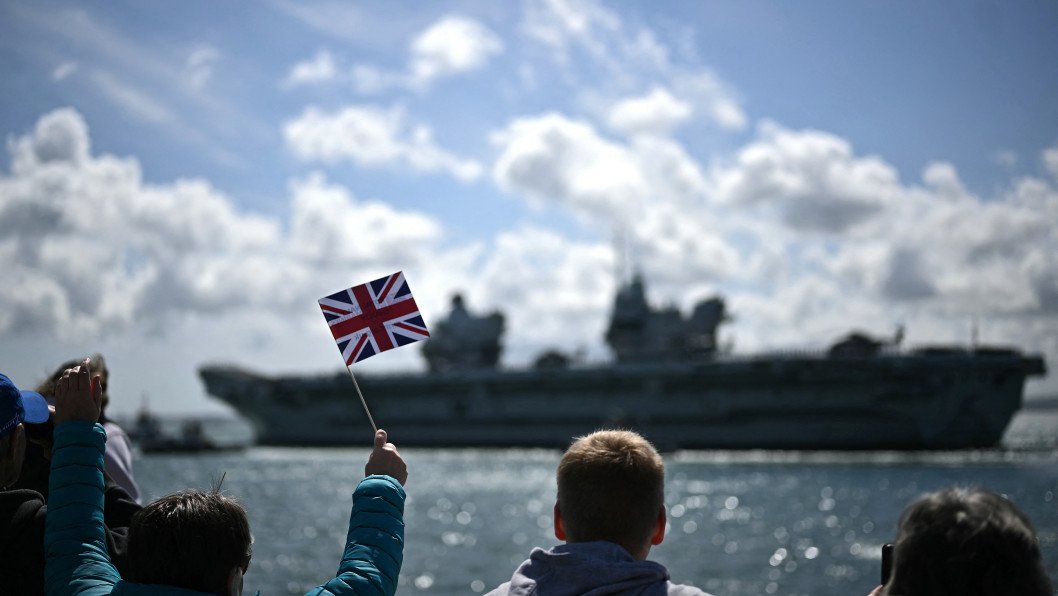
Russian activity drives focus on the region
Although Ireland remains militarily neutral and outside NATO, its location near the Greenland-Iceland-UK gap places it at the center of one of the most strategically sensitive maritime corridors, according to Forces News.
The route, long monitored since the Cold War, is used by Russian naval forces moving between the Arctic, European waters, and the wider Atlantic.
Recent incidents have underscored the growing importance of the region. Earlier this month, the UK tracked a Russian Akula-class submarine along with two specialized submarines linked to Russia’s deep-sea research directorate. The Russian vessel Yantar was also involved in the activity.
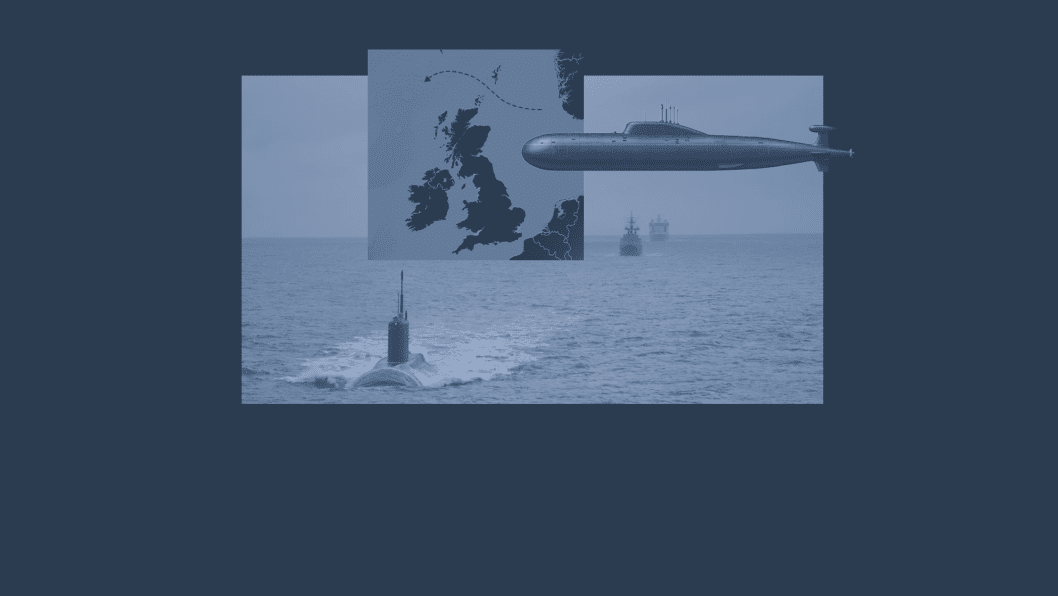
A Royal Navy warship and an RAF P-8 aircraft, working alongside allied forces, monitored the movements.
Officials say protecting undersea cables—a critical part of global communications infrastructure—is now a key priority, with the updated UK-Ireland agreement aimed in part at strengthening defenses in this domain.
“We are in a war of deterrence, what we’re here to do is say to Putin ‘we’re willing and ready to be stronger than you and do things that win this war, and airfields like Aldergrove will be part of that solution’,” McCartney said.
The deployment suggests that Northern Ireland could play a more active operational role in future NATO-aligned efforts to monitor and secure the North Atlantic.
Earlier, the Royal Navy reported that it had deployed four warships and supporting aircraft to monitor Russian naval activity near UK waters for over ten days.
HMS Somerset, HMS St Albans, HMS Mersey, and RFA Tideforce were involved in operations to shadow several Russian vessels, including a surfaced submarine, as they transited the English Channel and the North Sea.
Discuss this article:


-72b63a4e0c8c475ad81fe3eed3f63729.jpeg "Photo of Cyril Barabaltchouk")