- Category
- World
Russian State Bleeds Cash Subsidizing Domestic Fuel Despite Global Oil Boom, Experts Reveal
 Prefer U24 Media on Google
- Authors

-72b63a4e0c8c475ad81fe3eed3f63729.jpeg "Photo of Cyril Barabaltchouk")
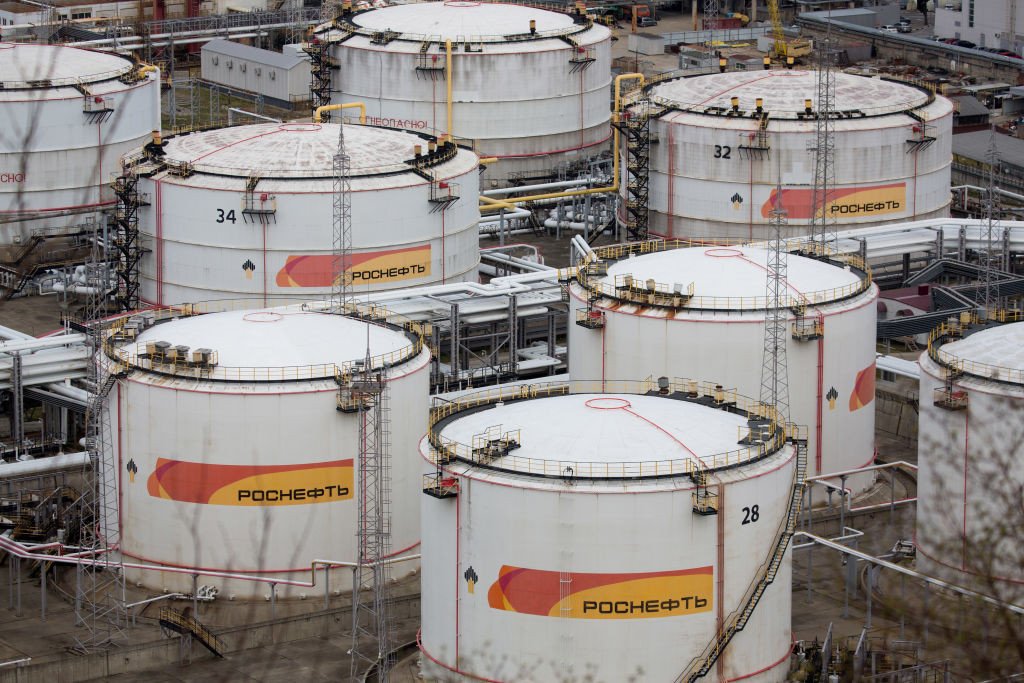
Russia’s oil and gas revenues for April missed expectations, as massive state subsidies to domestic oil companies effectively wiped out the financial benefits of high global crude prices, The Moscow Times reported.
According to data from the Russian Finance Ministry, April’s oil and gas revenues amounted to 855.6 billion rubles ($11.3 billion). This figure is a mere 21 billion rubles ($278 million) above the state’s baseline target, which was calculated using an outdated price of $59 per barrel.
We bring you stories from the ground. Your support keeps our team in the field.
Across the first four months of the year, the budget received 2.3 trillion rubles ($30.5 billion) from oil and gas, a 38.3% drop compared to the same period last year. So far, the state has collected only a quarter of its planned 8.92 trillion ruble ($118.1 billion) annual target.
This weak financial result is primarily driven by the Kremlin’s “damper mechanism"—a state subsidy that compensates Russian oil companies for the difference between high external export prices and low internal prices to prevent a domestic fuel crisis.
The Moscow Times notes that in April, the state was forced to pay oil companies 207.5 billion rubles ($2.75 billion), a staggering increase from the 15 billion rubles ($198 million) paid in March. Economist Egor Susin explicitly attributed the dismal April revenue results to these massive damper compensations.
The lack of surplus revenue caught financial analysts off guard. Economist Dmitry Polevoy noted that the 21 billion rubles ($278 million) in extra April revenue was “significantly below forecasts” of 200–250 billion rubles ($2.6–$3.3 billion), The Moscow Times wrote.
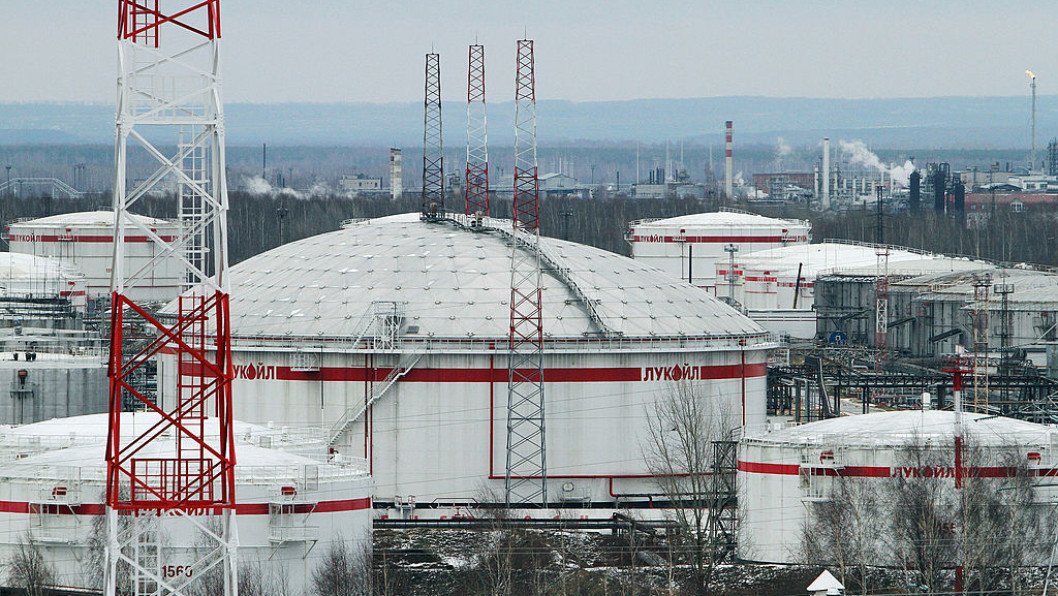
Similarly, former Deputy Finance Minister Sergei Aleksashenko had expected a “war premium” in April of around 220 billion rubles ($2.9 billion), which failed to materialize. To manage the crisis, authorities agreed to transition to “manual” regulation of fuel prices with oil companies starting May 1, Polevoy added.
The almost complete absence of excess oil and gas revenue means the Finance Ministry is severely limited in its ability to buy foreign currency to replenish the National Wealth Fund. While analysts previously expected monthly purchases to hit 340–455 billion rubles ($4.5–$6 billion), the Ministry reported it would only buy 110.3 billion rubles ($1.46 billion), according to The Moscow Times.
Paradoxically, these lower currency purchases are strengthening the ruble, which hurts the Russian budget even further because oil taxes are calculated in dollars. “Less buying means a stronger ruble,” Polevoy concluded.
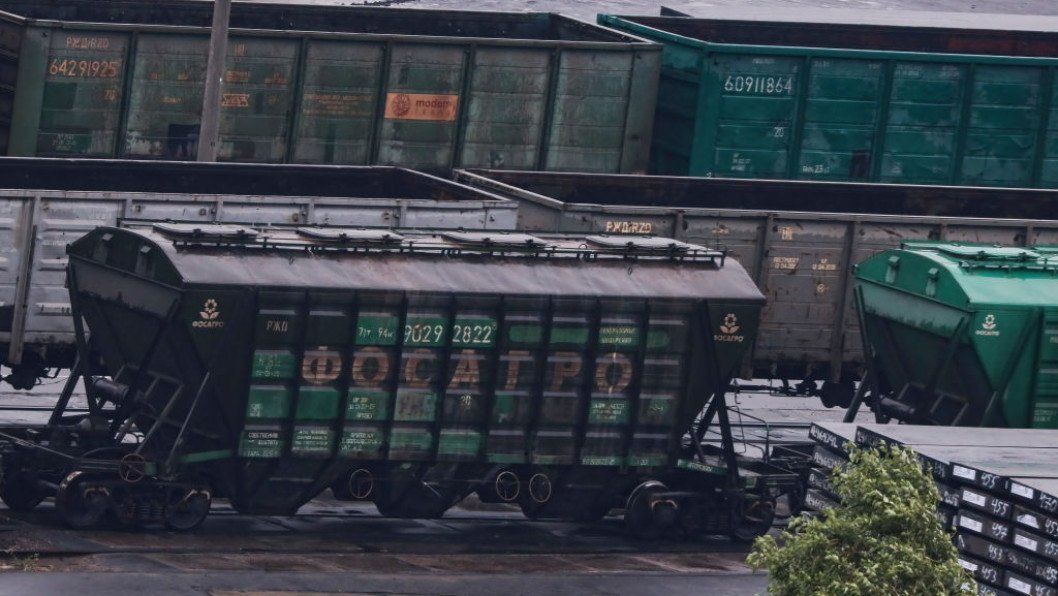
The Moscow Times reported that, consequently, Russia’s first-quarter budget deficit has already hit 4.6 trillion rubles ($60.9 billion), officially exceeding the government’s entire 3.8 trillion ruble ($50.3 billion) deficit plan for the year due to soaring expenditures and missing oil revenues.
The dismal state of the Kremlin’s internal budget contrasts with the massive volume of raw crude Russia is currently pumping onto the global market.
While recent reports suggested that the gross value of Russia’s seaborne oil exports surged to a post-invasion high of $2.42 billion a week—driven by the Iran war and increased Asian demand—this windfall is failing to translate into state revenue.
Following devastating Ukrainian drone strikes that crippled Russian refineries and caused severe domestic fuel shortages, the Kremlin is now forced to cannibalize its own profits. Even as raw crude flows out at record volumes, the Russian state is bleeding cash internally to pay the subsidies required to keep its domestic market afloat.
Discuss this article:



-c439b7bd9030ecf9d5a4287dc361ba31.jpg "Photo of Katherina Popilnichenko")