- Category
- World
Russia Becomes Syria’s Top Oil Supplier, Raising Risk of Renewed Sanctions
 Prefer U24 Media on Google
- Authors


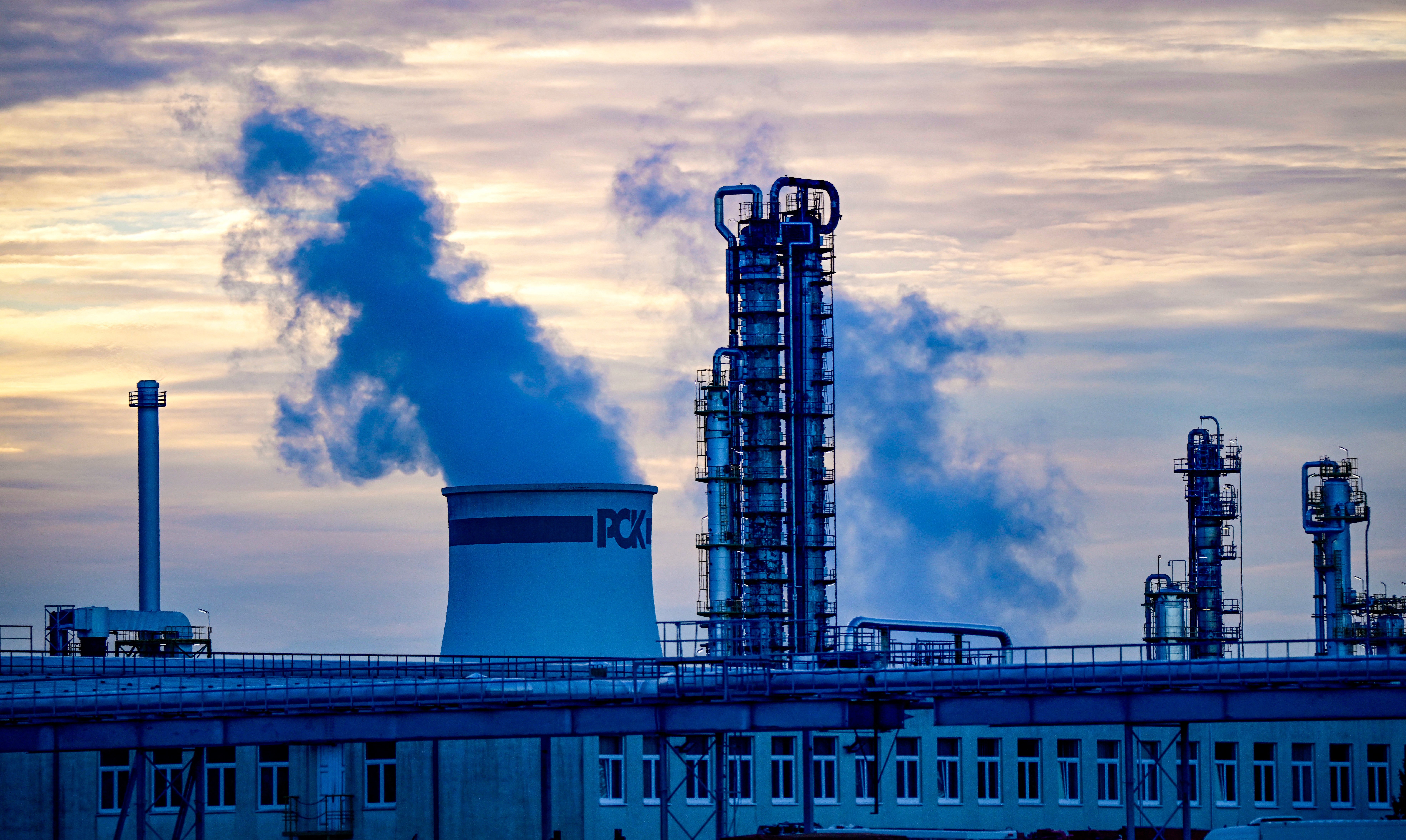
Russia has become Syria’s primary oil supplier despite Damascus’ political shift toward the West, underscoring the country’s continued economic constraints in the post-war period, according to a report by Reuters on May 1.
Russian oil shipments to Syria have increased by approximately 75% this year, reaching around 60,000 barrels per day, based on Reuters calculations using official disclosures and vessel tracking data from LSEG, MarineTraffic, and Shipnext.
We bring you stories from the ground. Your support keeps our team in the field.
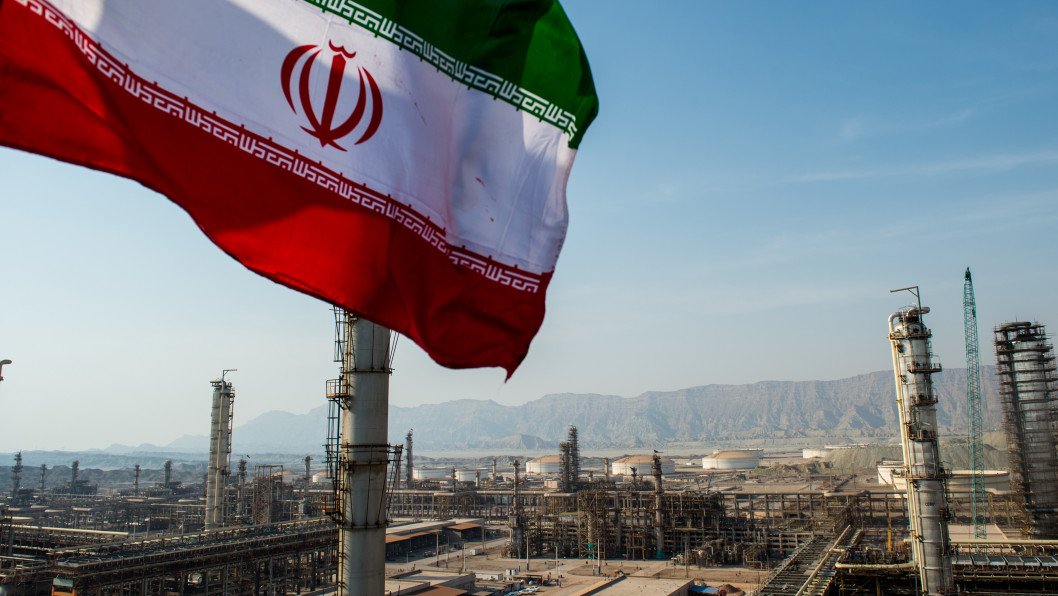
The development highlights Syria’s limited economic options despite its reorientation toward Western partners. Although the United States and European countries lifted decades-long sanctions last year, Syria remains only weakly integrated into the global financial system, constraining its ability to secure diversified energy imports, Reuters reported.
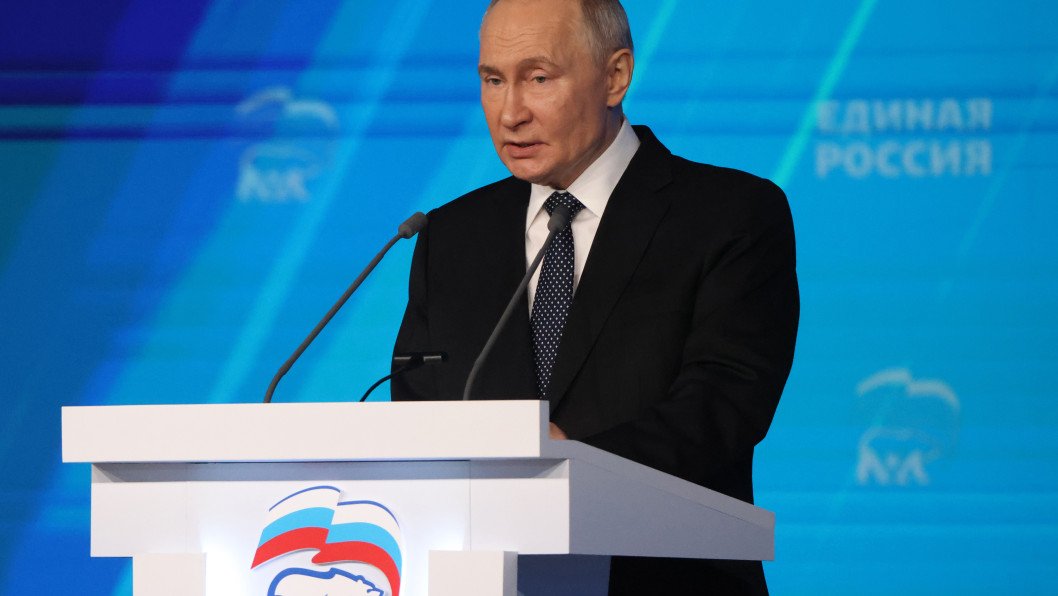
Analysts and Syrian officials say the growing trade relationship reflects both economic necessity in Damascus and Moscow’s ongoing leverage in the country, where Russia maintains naval and air bases. At the same time, the arrangement risks complicating Syria’s relations with Washington and Brussels.
The reliance on Russian oil could also expose Syria’s energy sector to renewed sanctions pressure, warned Syrian economist Karam Shaar.
“If the United States were to fail to reach an agreement or settlement with Russia regarding Ukraine, it wouldn’t be a surprise if it told Syria overnight to stop buying these oil shipments,” he said, noting that Syrian authorities are aware of the risks and are seeking alternative suppliers.
According to maritime analytics firm SynMax, financial limitations, commercial risks, and the legacy of prolonged conflict continue to restrict Syria’s access to conventional tanker operators. As a result, Russian-linked shipping networks remain among the few viable channels for oil imports.
“These shipping networks could present reputational challenges for Syria as it seeks to re-establish commercial credibility,” SynMax said, adding that “a transition toward conventional international supply chains is unlikely to occur immediately.”
Syria’s dependence on Russian supplies is further shaped by structural economic weaknesses, including limited purchasing power and a relatively small market size, which complicate efforts to secure long-term contracts with major producers, particularly in the Gulf.
Some progress has been made in reconnecting Syria to the global financial system. In March, the country’s central bank reactivated its account at the Federal Reserve Bank of New York for the first time since 2011, potentially enabling broader international banking transactions.
At the same time, broader trade patterns between Moscow and Damascus point to deeper economic entanglement. According to Türkiye Today, Russian vessels have resumed shipments of grain taken from occupied Ukrainian territories to Syria, generating significant revenue streams linked to Moscow’s war effort.

The report states that the volumes of these deliveries have returned to levels seen during the Assad era, despite the change in Syria’s leadership. Russia is said to rely on private companies to organize the export of agricultural goods.
Official documents indicate that the firm Pallada LLC received large export quotas for wheat and meslin in 2026, including approximately 13,820 tons from the Zaporizhzhia region, 11,831 tons from Crimea, and 7,848 tons from the Kherson region. Revenues from such operations are directed into Russia’s state budget, helping finance its ongoing war against Ukraine.
Russia is experiencing a significant financial windfall as it leverages rising global oil prices caused by Iran’s closure of the Strait of Hormuz and a new US tariff waiver.
According to a Bloomberg report, the combination of high crude prices and increased export quantities resulted in the largest weekly revenue increase for the Kremlin’s military budget since the 2022 invasion of Ukraine.
Discuss this article:
-4a56a6b482ec132402c16ef6fcabf9a2.png)

-c439b7bd9030ecf9d5a4287dc361ba31.jpg "Photo of Katherina Popilnichenko")